
Why New Homeowners Misjudge Their Starting Point
Buying a first home is energising, and that energy often translates into an ambitious renovation list assembled before you've lived in the space for a single season. The problem isn't enthusiasm - it's that most first-time owners start from an incomplete picture. They assess the home visually, miss what's inside the walls, and underestimate how much each project actually costs once labour, materials, permits, and the inevitable surprises are accounted for.
Inspection reports give a broad overview, but they rarely capture the full condition of electrical wiring, hidden moisture damage, or whether the HVAC system has three years of life left or ten. Before planning any renovation, spend at least a few months observing how the home behaves - where drafts come from, which drains run slowly, where water pools after rain. That knowledge shapes a far more grounded priority list than anything assembled on moving day.
For a broader look at how renovation budgets routinely expand, see our piece on why renovation budgets run over.
Load-bearing wall
A wall that supports the weight of the structure above it. Removing one without proper engineering assessment can compromise the building's stability.
Permit
Official approval from a local building authority required before certain types of renovation work begin. It ensures work is inspected and meets safety codes.
Contingency budget
A reserved portion of your renovation budget set aside for unexpected costs or discoveries - typically 10-20% of the total project estimate.
Systems inspection
An evaluation of a home's core mechanical and structural systems - electrical, plumbing, HVAC, roof - usually conducted by a qualified inspector.
Water intrusion
Any path by which moisture enters the home's structure, including roof leaks, foundation seepage, or failed exterior caulking. Left unaddressed, it causes progressive structural and mold-related damage.
The Non-Negotiables: Safety and Systems First
Before any cosmetic work, confirm that the home's core systems are functional and safe. This includes the electrical panel, plumbing supply and drainage, HVAC, roof condition, and any signs of water intrusion. These aren't exciting projects, but deferred problems here compound into far more expensive repairs later.
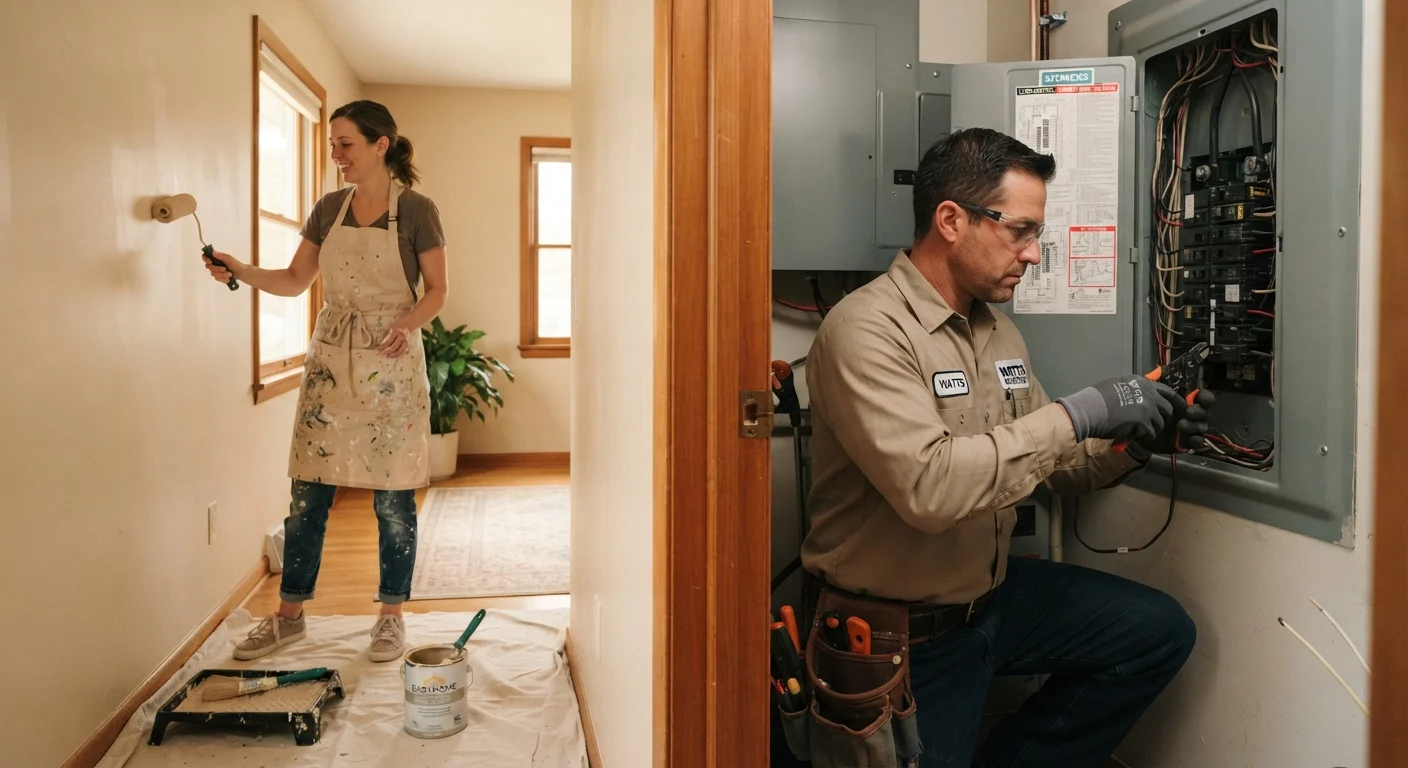
- Electrical: If the home has an older panel, aluminium branch wiring, or ungrounded outlets in wet areas, have a licensed electrician evaluate it. This is not DIY territory.
- Plumbing: Slow drains, low water pressure, and discoloured water can indicate issues worth investigating early. Understanding basic plumbing helps you communicate accurately with a plumber and spot warning signs.
- Roof and exterior: Water is the most destructive force in a home. Address any roof damage, failed caulking, or grading issues that direct water toward the foundation. The complete guide to home exterior care covers what to inspect and when.
- Carbon monoxide and smoke detectors: Verify these are present, functional, and correctly placed per current guidelines.
Don't Defer Safety-Critical Repairs
Cosmetic projects are tempting because the results are immediately visible. But deferring safety issues - a failing roof, ungrounded wiring, a cracked flue - allows damage to compound quietly. Water damage behind walls, for example, can cause structural deterioration and mold that costs far more to remediate than the original repair would have.
What You Can Confidently Tackle Yourself
Once safety systems are confirmed, there's a meaningful range of improvements most capable homeowners can handle without professional help. The key criterion: the work is reversible, low-risk, and doesn't require a permit.
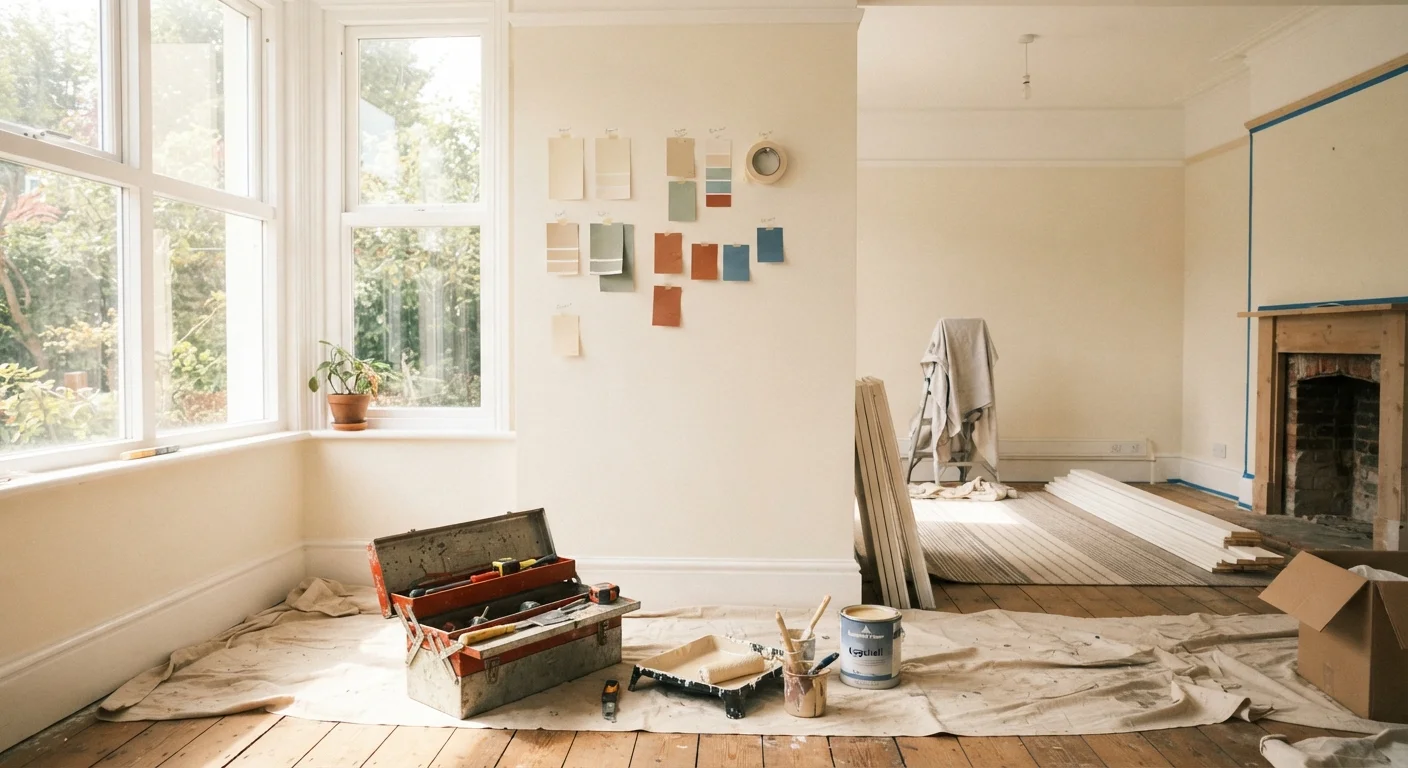
- Interior painting: Proper prep - patching holes, sanding, priming - matters more than the paint itself. A careful paint job transforms a space without structural risk.
- Caulking and weatherstripping: Sealing gaps around windows, doors, tubs, and sinks prevents moisture and air infiltration. It's inexpensive and immediately effective.
- Hardware and fixture swaps: Door handles, cabinet pulls, faucets, and light fixtures are straightforward upgrades. Turn off the relevant breaker or water supply first and follow manufacturer instructions.
- Basic landscaping: Improving drainage grading, planting, and general yard tidying falls within most homeowners' reach.
Be honest about your skills. A task that looks simple on a video may involve complications - uneven walls, corroded fasteners, non-standard pipe sizes - that turn a weekend project into a week-long problem. Check out common renovation myths before assuming DIY always saves money.
Start With One Room, Not the Whole House
Completing one room thoroughly - including prep, priming, and finishing - teaches you far more than starting five rooms at once. It also gives you a visible win and a realistic sense of how long each task actually takes, which anchors your planning for everything that follows.
What to Leave to Licensed Professionals
Certain categories of work carry enough risk - to your safety, your home's structure, and your legal standing - that professional involvement isn't optional. In most US jurisdictions, this work also requires permits and inspections.
- Structural changes: Removing or modifying walls, especially if they may be load-bearing, requires engineering assessment. See our guide to identifying load-bearing walls before making any assumptions. If you're drawn to open-plan layouts, read about the trade-offs of open-plan living first.
- Electrical panel and wiring work: Beyond simple fixture swaps, electrical work should be handled by a licensed electrician and inspected. Improper wiring is a leading cause of residential fires.
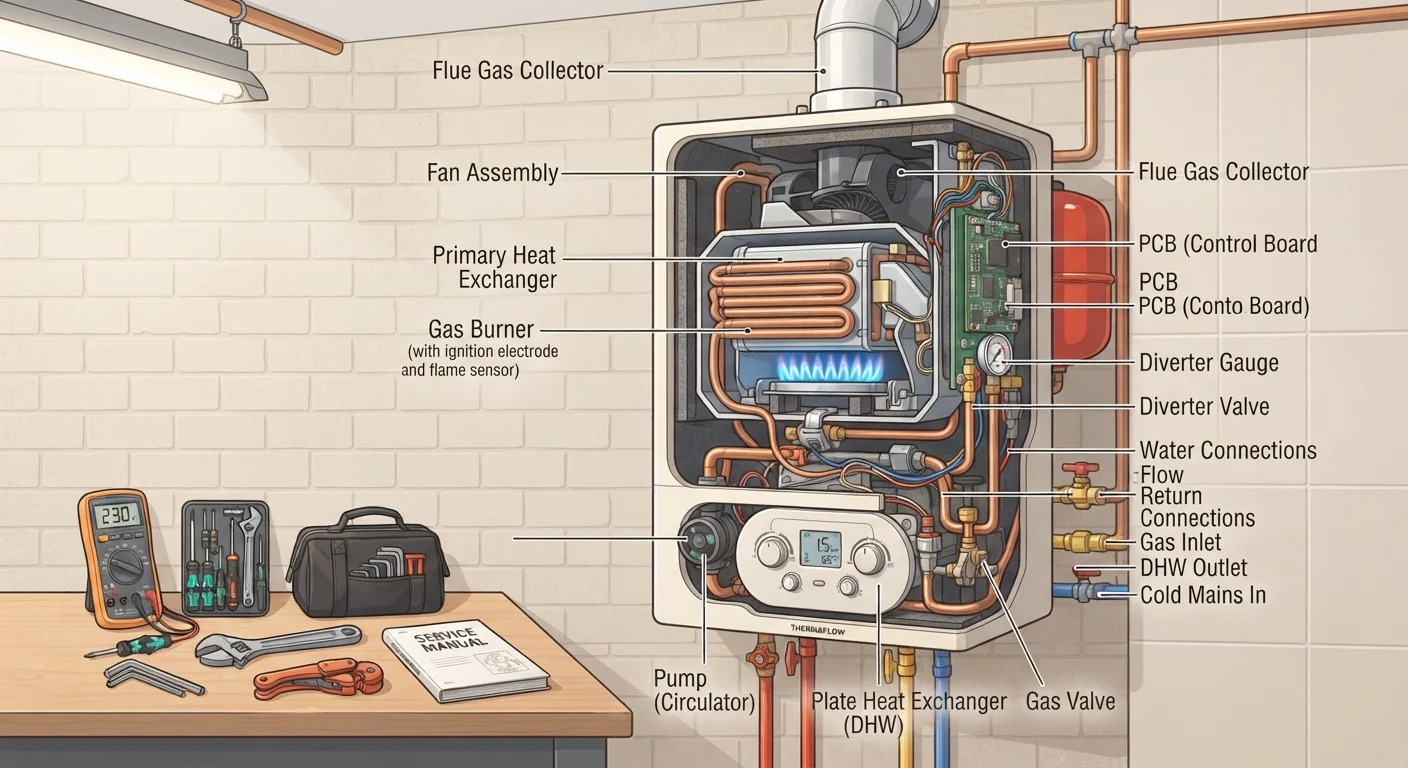
- Gas lines: Any work on gas supply lines, appliance connections, or venting must be performed by a licensed professional. No exceptions.
- Mains plumbing alterations: Moving drain lines, relocating supply lines, or adding new fixtures requires proper permits and licensed work in most municipalities.
When hiring any contractor, approach the quoting process carefully. Our guide to getting a contractor quote explains what to ask and what red flags to watch for in estimates.
Unpermitted Work Can Affect Future Sales
Renovation work completed without required permits can complicate or delay a home sale, since buyers' lenders and inspectors may flag it. In some cases, unpermitted work must be brought up to current code before a transaction can close. Always verify permit requirements with your local building department before work begins.
Building a Renovation Priority Order That Holds
A priority list works when it's tied to real constraints - budget, timeline, disruption tolerance, and the home's actual condition - rather than aesthetic preferences alone. A useful framework moves from urgent and safety-critical to functional improvements to cosmetic upgrades, phased over time.
Write down every project you're considering, then assign each one to a tier:
- Immediate (Year 1): Safety systems, water intrusion risks, anything that will worsen if deferred.
- Near-term (Years 1-3): Functional upgrades - insulation, HVAC efficiency, flooring - that improve daily comfort and reduce operating costs.
- Long-term (3+ years): Kitchen and bathroom remodels, additions, major aesthetic overhauls.
Budget realistically for each tier and build in a contingency of at least 15% for unexpected findings. If money is tight in the early years, our guide to home maintenance on a tight budget helps you triage further. Once the structure and systems are sound, you can shift attention to organisation and layout - the comprehensive home organisation framework is a useful next step. For guidance on the qualities that make improvements last, see principles behind a home that ages well.
This article provides general home improvement information and education. Always verify local permit and code requirements with your municipality, and consult licensed professionals for electrical, gas, structural, and plumbing work.
Home Maintenance Hub
A central resource for practical guidance on keeping your home safe, functional, and well-maintained - covering everything from seasonal checks to urgent repairs.
Home Organization Hub
Simple, actionable strategies to declutter, organise, and maximise every area of your home once the structure and systems are in order.