
Why Renovation Myths Persist - and What They Actually Cost
Home renovation advice travels fast - through social media, word of mouth, and home improvement television - and not all of it holds up. Many widely repeated beliefs feel intuitive, which is exactly why they stick. The problem is that acting on faulty assumptions is one of the most reliable ways to blow a budget, miss a deadline, or create a problem that costs more to fix than the original project ever would have. For a broader look at how budgets spiral, see our guide to renovation cost overruns.
The myth-versus-reality breakdowns below address the beliefs most likely to cause real financial harm. Each one is grounded in the practical experience of tradespeople, building professionals, and construction cost data - not speculation.
Myth
DIY always saves money compared to hiring a professional.
Fact
DIY can reduce costs on straightforward tasks, but errors, rework, and improper tool use frequently make it more expensive overall.
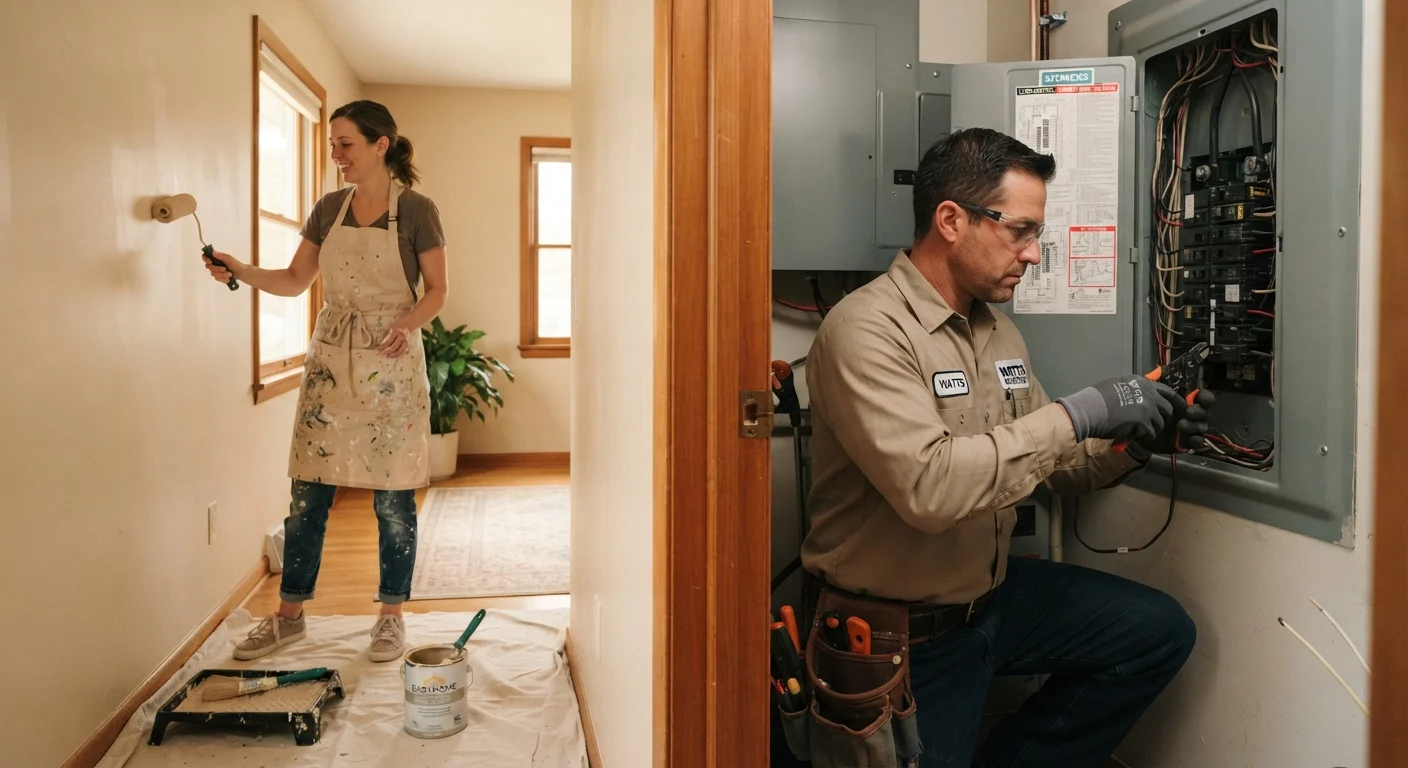
The savings calculation for DIY only works when the homeowner has the skill, the correct tools, and an accurate estimate of complexity. In practice, a task misjudged as simple - such as tiling a shower or installing recessed lighting - can require professional correction that costs more than the original professional quote would have. Material waste from mistakes adds up quickly, and some errors (particularly in plumbing, electrical, or waterproofing) create downstream damage that surfaces months later. DIY is genuinely cost-effective for well-defined tasks with low failure consequences: painting interior walls, replacing hardware, basic landscaping. It is not a universal money-saver.
Myth
A fresh coat of paint will cover up surface problems and make them disappear.
Fact
Paint is a finish material, not a repair. It will not hide uneven drywall, moisture staining, cracks, or mold - and in some cases will make these issues more visible.
Paint applied over active moisture damage or mold growth does not stop the underlying problem; it temporarily obscures it while conditions worsen. Efflorescence (the white mineral deposits that appear on masonry) will push through paint within months if the moisture source isn't resolved. Hairline cracks in plaster that are painted over will reappear as the structure continues to move. The correct sequence is always: diagnose and repair the root cause, prepare the surface properly, then paint. Skipping to the cosmetic step is a short-term fix that becomes a recurring cost. For principles that hold up over time, see what makes a home age well.
Myth
Renovating always increases a home's resale value by more than it costs.
Fact
Most renovations return only a portion of their cost at resale; recoup rates vary significantly by project type, local market, and execution quality.
Industry cost-vs-value data consistently shows that very few renovation projects return 100% of their cost at resale, and many return considerably less. Kitchen and bathroom remodels are often cited as high-return investments, but the return depends heavily on whether the renovation matches the price point and expectations of buyers in that specific market. A luxury kitchen installed in a modest neighborhood may return far less than the same project in a higher-value area. Renovating for personal enjoyment and livability is a legitimate goal - but treating every upgrade as a guaranteed financial investment leads to poor decision-making.
Myth
You can skip the permits for small projects to save time and money.
Fact
Unpermitted work can invalidate homeowner's insurance claims, create liability during a sale, and require expensive removal or correction to pass inspection.
Permits exist to ensure work meets safety and building code standards - they protect the homeowner, not just the municipality. When unpermitted work is discovered during a property sale, buyers may demand remediation, price reductions, or withdraw entirely. Insurance companies may deny claims for damage originating from unpermitted modifications. In some jurisdictions, the cost of legalizing unpermitted work after the fact - which may involve opening walls to expose work for inspection - exceeds what the permit would have cost originally. Whether a permit is required depends on local codes, which vary widely; always check with your local building department before starting any structural, electrical, plumbing, or HVAC work.
Myth
You can renovate one room at a time with no overall plan and keep costs manageable.
Fact
Renovating without a coordinated plan often leads to redundant demolition, incompatible finishes, and systems work being done twice.
A common scenario: a homeowner renovates a bathroom, then decides two years later to update plumbing elsewhere - only to find that the earlier work needs to be partially undone to connect to the new plumbing run. Or flooring installed in one phase doesn't match what's needed in an adjacent room tackled later, requiring a seam or a full replacement. Planning the full scope of desired improvements upfront - even if execution is phased over time - allows tradespeople to rough in for future work during earlier phases, saving substantial cost. A master plan doesn't require doing everything at once; it just prevents doing the same thing twice.
Making Smarter Decisions Before Work Begins
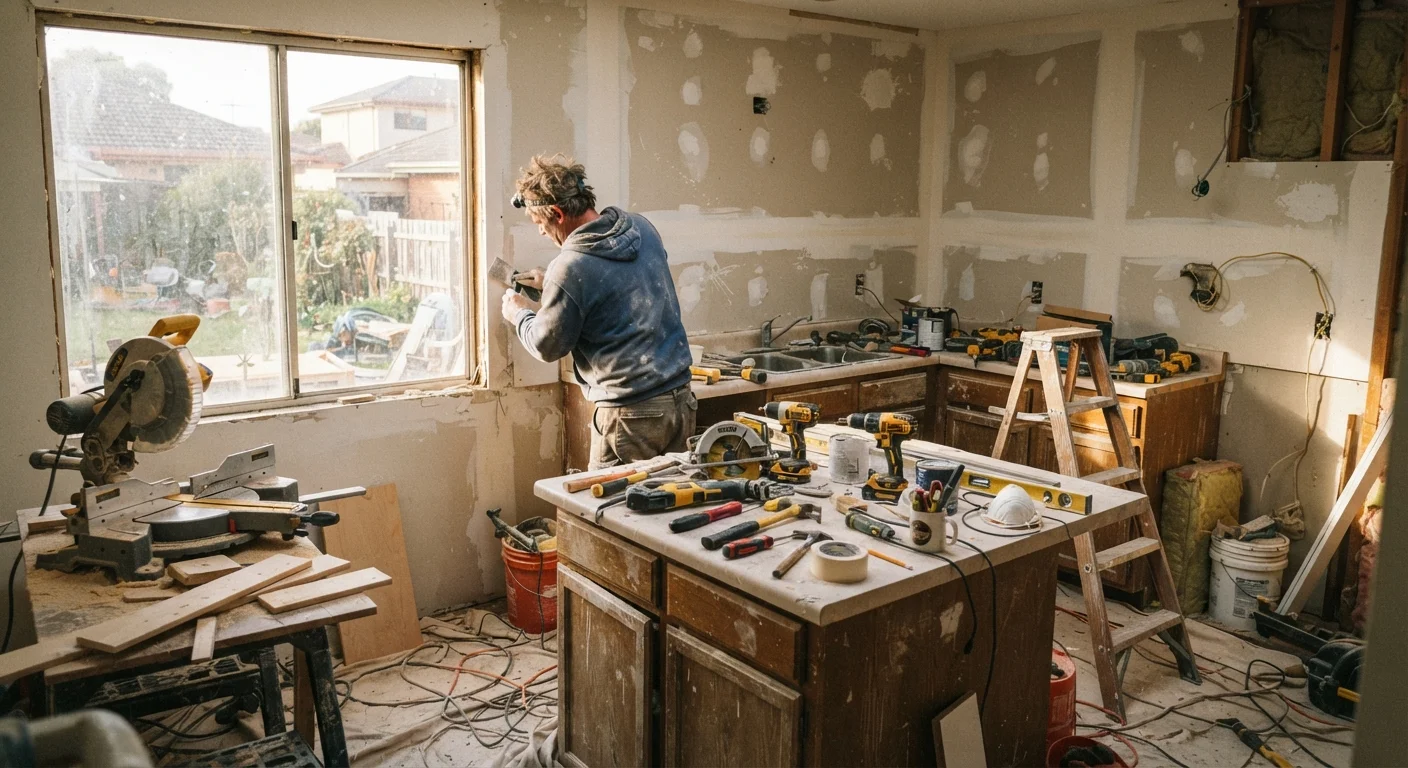
The most expensive renovation mistakes are usually made before a single tool is picked up. Skipping the planning phase, underestimating scope, or treating a cosmetic fix as a substitute for structural repair all compound over time. Our article on what deferred maintenance actually costs illustrates how small neglected problems escalate into costly structural repairs.
Electrical, Gas, and Structural Work: Know the Limits
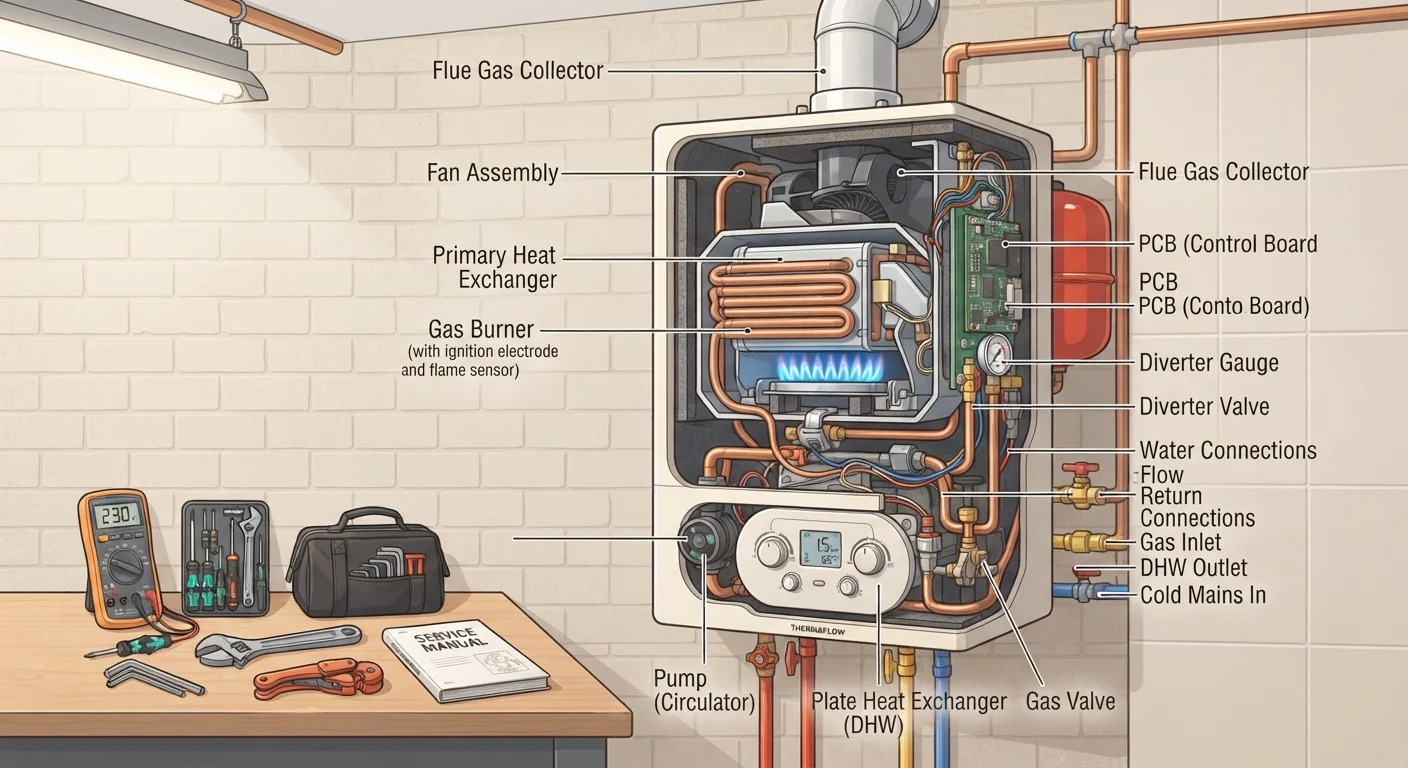
Certain renovation tasks are regulated for safety reasons and typically require a licensed professional regardless of the homeowner's skill level. Electrical panel work, gas line modifications, load-bearing wall removal, and work that requires a permit are categories where DIY attempts create genuine safety risks and potential legal liability. If you're unsure whether your project falls into a regulated category, consult your local building department before starting.
If you're working on a first property, the instinct to renovate everything immediately is understandable but often counterproductive. Knowing what to tackle first and what to leave alone prevents the common trap of spending heavily on visible upgrades while ignoring foundational issues. Similarly, if open-plan layouts are on your wish list, read about the trade-offs of open-plan living before committing - structural walls, acoustics, and heating costs all factor in. And for low-cost wins that genuinely pay off, sealing air leaks around windows and doors is one of the highest-impact tasks most homeowners overlook.
This article provides general home improvement information and education. Costs, timelines, and regulatory requirements vary by location and project type. Always verify local permit requirements with your municipality and consult licensed professionals for work involving electrical, structural, plumbing, or gas systems.