

Why Renovation Costs Spiral - and Why It's Predictable
Cost overruns in home renovation are not bad luck. They are the predictable result of how most homeowners plan - or fail to plan - before work begins. Understanding the structural reasons budgets fail is the first step toward building one that holds.
The core problem is that renovation costs are discovered, not designed. Behind walls, under floors, and inside ceilings are conditions that no quote can fully anticipate: outdated plumbing, inadequate insulation, previous repairs done without permits, moisture damage that's invisible until exposed. These discoveries are not rare - they are routine, particularly in homes built more than 30 years ago.
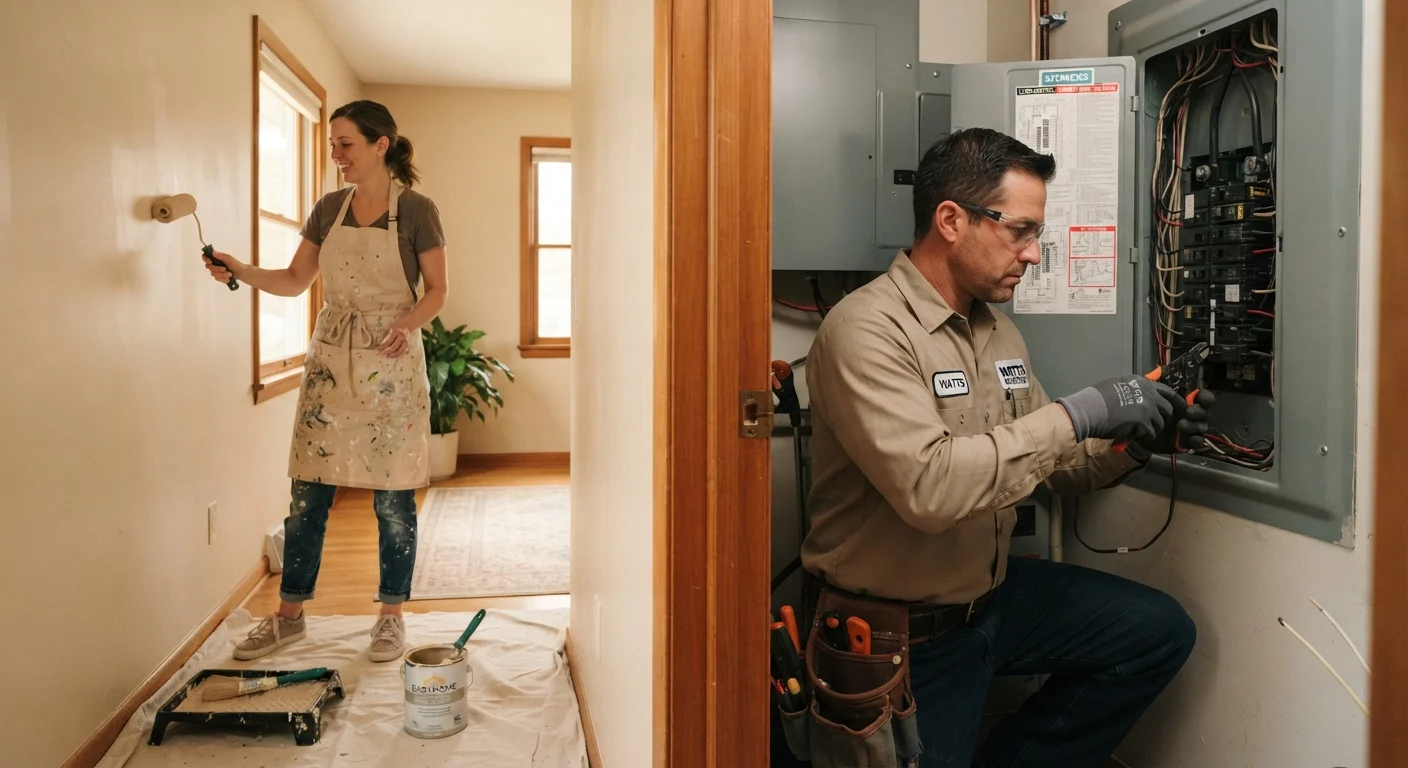
Scope creep compounds the problem. A bathroom refresh expands to include the subfloor. A kitchen update reveals that the electrical panel needs upgrading before new appliances can be installed. Each decision is individually reasonable; together they push costs far beyond the original number.
If you're tackling your first major renovation, see our guide to prioritising improvements wisely before committing to a scope.
~80%
Renovations that exceed their initial budget
Industry surveys consistently show the large majority of home renovation projects finish over their original estimated cost.
15-20%
Recommended contingency buffer
Building industry guidance widely recommends reserving this percentage of total project cost for unforeseen conditions and changes.
3x
Cost multiplier of mid-project changes
Changes made after construction begins can cost significantly more than the same decision made during the planning phase, due to rework and scheduling impacts.
The Mistakes That Blow Renovation Budgets
The following errors appear repeatedly across renovation projects of every size. Recognising them before you start is far less expensive than correcting them mid-build.
Budgeting from an optimistic ballpark figure rather than detailed, itemised quotes.
Why it happens: Homeowners often research average costs online or get a single verbal estimate and treat that number as reliable. Aggregate averages rarely reflect local labour markets, specific site conditions, or the actual scope of a project.
Failing to build a contingency fund into the original budget.
Why it happens: Many homeowners allocate exactly what they can afford and leave no room for the unexpected, treating contingency as optional rather than essential.
Changing design decisions or materials once work has started.
Why it happens: Seeing a space under construction sparks new ideas, or a product turns out to be unavailable. Mid-project changes feel minor but cascade into labour rescheduling, material restocking fees, and delays.
Omitting permit fees, inspection costs, and professional service fees from the budget.
Why it happens: These costs are invisible at the planning stage and easy to forget. Homeowners focus on materials and labour and treat administrative costs as someone else's concern.
Underestimating the cost and disruption of living without a functional space during the project.
Why it happens: Timelines almost always extend, but homeowners plan around the contractor's optimistic schedule rather than a realistic one.
Contingency Is Not Optional
Every renovation budget needs a dedicated contingency fund - typically 15-20% of the total project cost. This is not a 'rainy day' bonus; it is a core line item. Renovation work routinely uncovers hidden conditions such as water damage, outdated wiring, or substandard previous work that cannot be priced until walls open. Without this buffer, a single discovery can derail the entire project.
For projects involving structural changes such as wall removal, the financial exposure is especially significant. Open-plan renovations carry specific cost risks that are worth understanding in detail before work begins.
Verbal Quotes Are Not Commitments
A contractor's verbal or informal estimate carries no contractual weight and should never form the basis of your budget. Always obtain written, itemised quotes that specify labour, materials, timeline, and payment schedule. Significant gaps between initial estimates and final invoices are a persistent source of homeowner disputes and financial stress.
How to Build a Budget That Actually Holds
A resilient renovation budget is built in layers, not as a single number. Start with itemised quotes, not averages. Then build the following structure:
- Base cost: The median of your three written contractor quotes, with materials and labour separated.
- Known variables: Items that are likely but not certain - for example, asbestos testing in an older home, or upgrading a panel if new appliances require it.
- Permit and professional fees: Researched from your local building authority and your design or engineering consultants.
- Contingency: 15-20% of the combined total, held separately and not touched unless needed.
Track spending in a simple spreadsheet updated weekly once work begins. This catches scope creep early, before it compounds.
If budget constraints mean you need to phase work over time, prioritising by risk and urgency helps you direct limited funds where they matter most. For room-specific planning, a structured kitchen decision framework demonstrates how to break a complex renovation into clear, costed choices.
No budget eliminates all uncertainty - but one built on real data, honest scope, and a genuine contingency reserve gives you the best available protection against the surprises that derail most projects.