
The Real Distinction: Risk, Regulation, and Reversibility
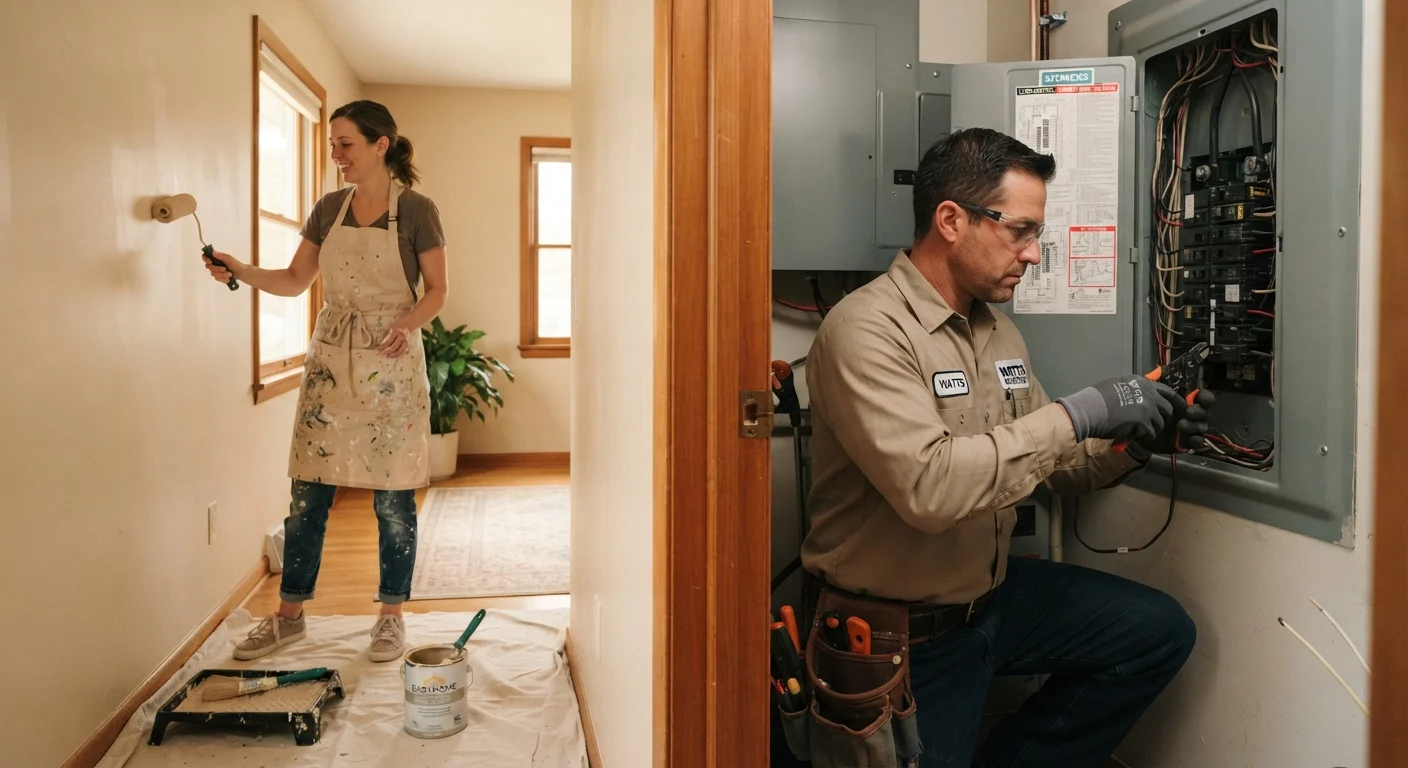
The DIY vs. licensed tradesperson question isn't really about skill level - it's about three overlapping factors: the safety risk of a task going wrong, whether local building codes or state licensing laws require a professional, and how easily a mistake can be corrected before it causes lasting damage.
Most homeowners are entirely capable of painting rooms, replacing a faucet cartridge, installing door hardware, re-caulking a tub, or swapping out a light switch cover. These tasks have low consequence thresholds: if something goes wrong, the fix is usually simple and inexpensive. Understanding foundational plumbing knowledge - like locating your main shutoff valve - extends the range of minor plumbing work you can confidently tackle.
Contrast that with wiring a new subpanel, tying into a gas supply line, or removing a wall that may be load-bearing. Here, errors may be invisible at first - a smoldering connection, a slow gas leak, a compromised beam - and the consequences can be severe or even fatal. Regulations in most US jurisdictions exist not to generate revenue but to ensure these systems are installed and inspected by someone accountable.
| Criterion | DIY | Licensed Tradesperson |
|---|---|---|
| Typical cost | Materials only | Labor + materials + fees |
| Permit eligibility | Usually not required | Can legally pull permits |
| Liability if work fails | Homeowner bears full risk | Contractor is accountable |
| Insurance implications | May void coverage for regulated work | Work is typically insurable |
| Appropriate task type | Cosmetic, low-risk maintenance | Electrical, gas, structural, plumbing mains |
| Code compliance assurance | Homeowner's responsibility | Built into licensed work + inspections |
Where DIY Makes Sense - and Where It Doesn't
Generally safe for most homeowners: Painting and surface prep, replacing outlet covers and switch plates (with power off at the breaker), unclogging drains, patching small drywall holes, replacing showerheads and toilet flappers, installing grab bars into studs, weather-stripping doors, and routine HVAC filter changes. These tasks are well-documented, don't typically require permits, and allow clear visual confirmation that the work is complete.
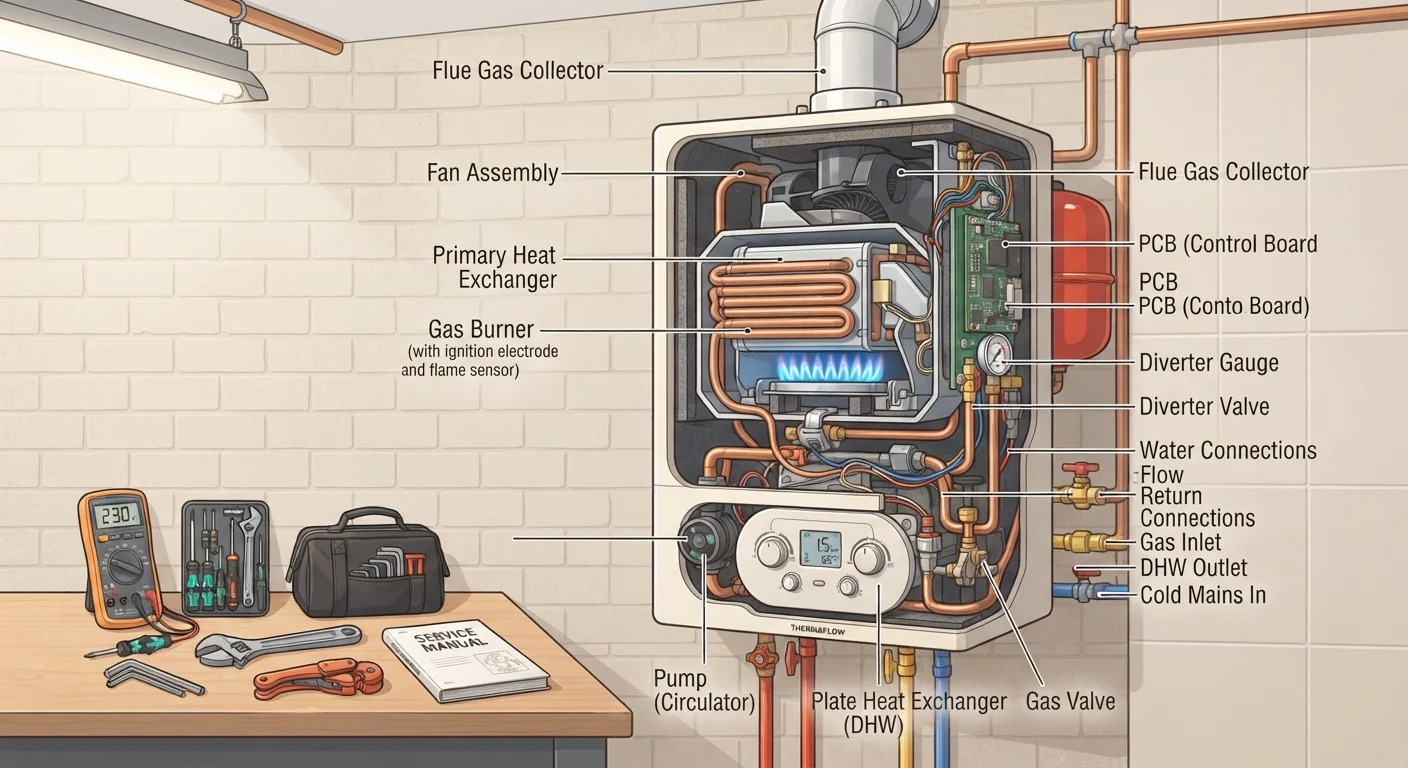
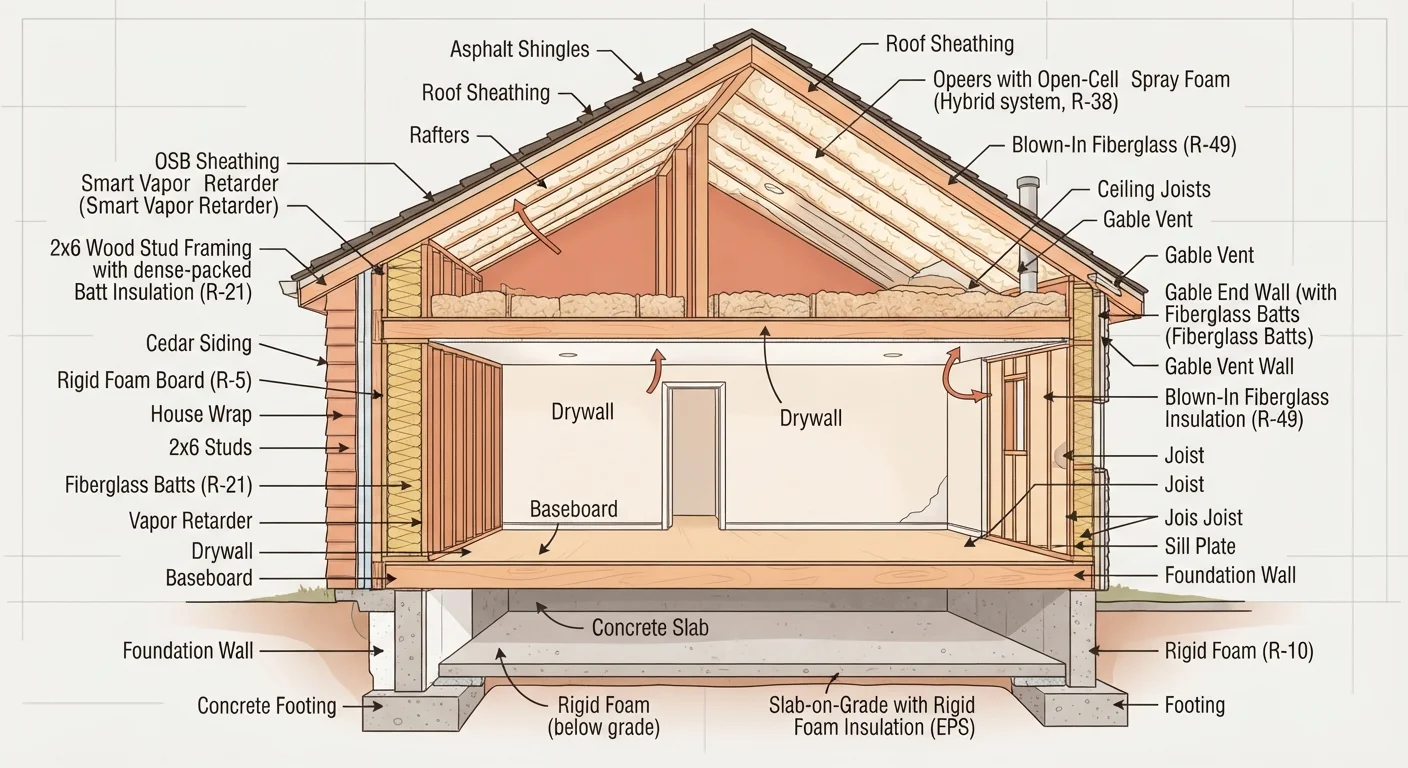
Typically requiring a licensed professional: Any work inside the electrical panel, running new circuits, connecting to gas supply lines, replacing gas appliances, altering load-bearing walls or structural elements, roofing on steep pitches or at significant height, and making connections to municipal water or sewer mains. In many states, performing this work without a license - even on your own home - can void permits and make you legally liable for any resulting damage or injury. The permit requirements around home improvement work matter more than many homeowners realize until something goes wrong.
State Licensing Requirements Vary Significantly
Contractor licensing rules differ by state and sometimes by municipality. In some states, a general handyman license covers a broad range of tasks; in others, electrical and plumbing work requires separate, highly specific trade licenses regardless of project scale. Always verify your local requirements before assuming a task is unregulated - your city or county building department is the authoritative source.
Skipping professional help on regulated systems doesn't just risk injury - it can create serious financial exposure. As detailed in our look at how deferred maintenance compounds into larger costs, small decisions to cut corners frequently result in far larger remediation bills later.
How to Decide Before You Start
Before committing to a project, ask yourself four questions:
- Does this work require a permit in my jurisdiction? Check with your local building department - many now offer online lookup tools. If a permit is required, a licensed contractor is almost always required to pull it.
- Is the risk of error reversible? A poorly painted wall can be repainted. A nicked gas line or miswired circuit cannot simply be undone.
- Am I familiar with the system I'm modifying? General confidence isn't enough - working safely on electrical, plumbing, or HVAC systems requires system-specific knowledge, not just tool competence.
- What does my homeowner's insurance require? Some policies have exclusions for damage resulting from unpermitted or unlicensed work. Review your policy or call your agent before proceeding.
If you're ready to bring in professional help, our guide on reading contractor quotes and asking the right questions can help you hire confidently without overpaying. For homeowners working within a limited budget, prioritizing repairs by risk and urgency is a practical way to make every dollar count.
~51,000
Home electrical fires reported annually in the US
The US Fire Administration attributes a significant share of residential electrical fires to improper wiring, overloaded circuits, and amateur installations.
~400
Accidental CO deaths from home gas appliances per year
The CDC estimates roughly 400 Americans die annually from unintentional carbon monoxide poisoning, often linked to improperly installed or maintained fuel-burning systems.