
Why Small Repairs Don't Stay Small
Homeowners often delay minor repairs with a reasonable-sounding rationale: the leak is small, the crack is hairline, the furnace is still running. The problem is that most home systems are interdependent - one deteriorating element places stress on adjacent materials, finishes, and structures. A caulk failure around a window frame, for example, allows moisture into the wall cavity. Left unaddressed for a season or two, that moisture promotes wood rot, mold growth, and eventually insulation failure. The original fix: a tube of caulk and an hour of labor. The compounded repair: framing replacement, mold remediation, and new insulation - a job that may require professional contractors and permits.
This compounding pattern repeats across virtually every home system. The math is straightforward: prevention almost always costs a fraction of remediation. Understanding which deferred repairs carry the steepest escalation risk helps homeowners make informed decisions about where attention is most urgent.
1%-4%
Recommended annual maintenance budget as a % of home value
This commonly cited rule of thumb in home financial planning suggests setting aside 1-4% of a home's value annually for maintenance and repairs, with older homes or those in harsher climates trending toward the higher end.
3x-10x
Cost multiplier when small repairs are deferred
Home inspection and property management professionals frequently observe that deferred minor repairs escalate to costs many times higher once secondary damage to adjacent systems is factored in.
$10,000+
Typical mold remediation cost in affected wall systems
According to U.S. restoration industry estimates, mold remediation involving wall cavities and structural elements commonly ranges from several thousand to over ten thousand dollars depending on scope.
The Highest-Risk Categories of Neglect
Not all deferred maintenance escalates at the same rate. Some items - a sticky door latch, a squeaky hinge - are genuinely low-urgency. Others follow predictable and rapid deterioration curves that should inform any homeowner's prioritization.
Water Intrusion
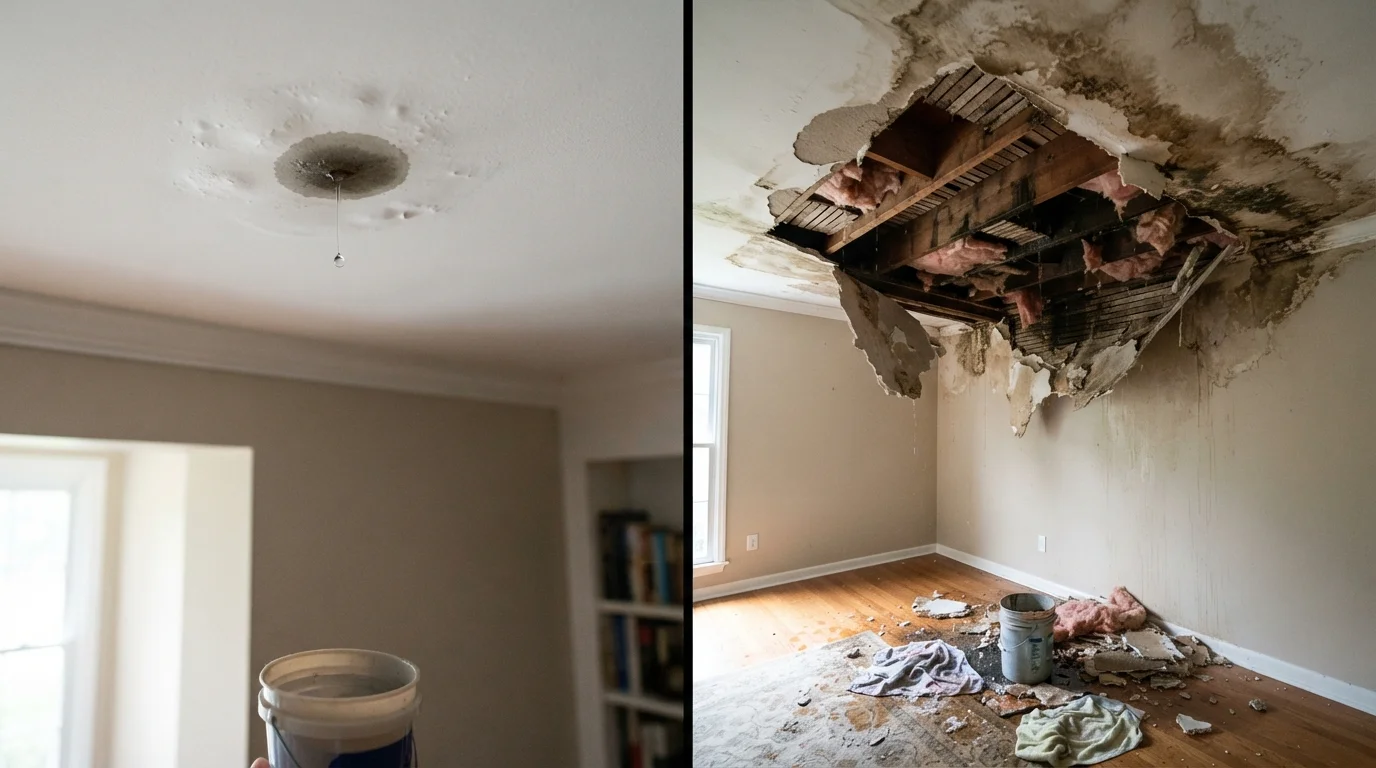
Roof damage, failed flashing, cracked caulking, and clogged gutters all allow water to find pathways into a home's structure. Water is the single most destructive force in residential construction. Once it penetrates wall assemblies or subflooring, it initiates wood rot, mold, and structural compromise - often invisibly, behind finishes. By the time damage is visible, remediation costs are frequently in the thousands.
Foundation and Structural Issues
Hairline cracks in a foundation may be cosmetic or may indicate active settlement. Ignoring them without professional evaluation is a common and costly mistake. As movement continues, cracks widen, drainage patterns shift, and in worst cases, structural integrity becomes a safety concern. Foundation repair is among the most expensive categories of home repair - early intervention is almost always significantly cheaper.
HVAC and Mechanical Systems
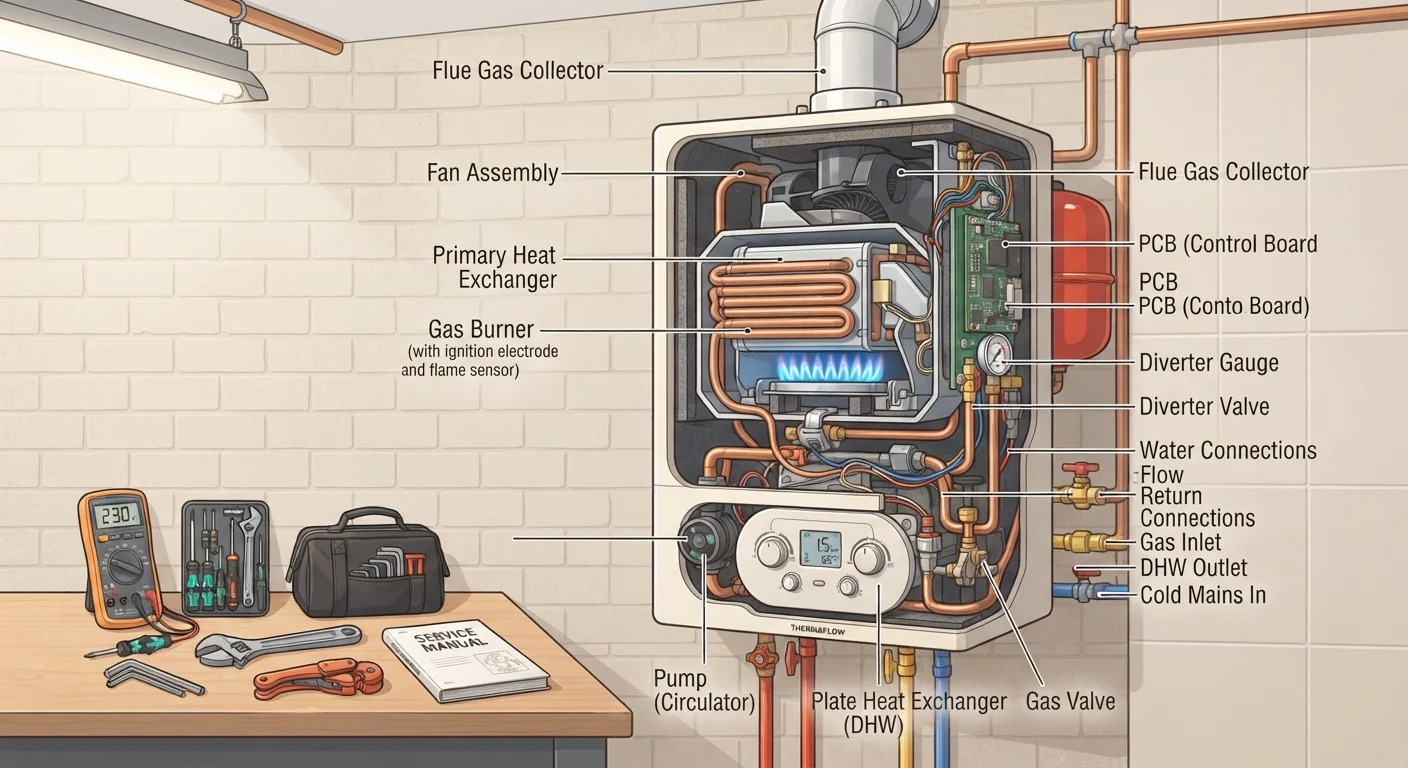
Skipping annual HVAC servicing reduces system efficiency, shortens equipment lifespan, and - in the case of combustion appliances - can create carbon monoxide risks. A neglected filter restriction strains the blower motor; a dirty heat exchanger can crack. Replacing a furnace costs many times more than annual maintenance contracts over equivalent periods.
Do a Quick Annual Walk-Through
Once a year - ideally in early spring after winter stress - walk your home's exterior and interior looking for new cracks, stains, soft spots, or signs of moisture. Take photos and note anything unusual. Many escalating problems are caught at their cheapest stage through simple visual inspection, before they become an emergency.
The Financial and Legal Consequences
Deferred maintenance carries financial consequences beyond the repair bill itself. Homeowner insurance policies generally exclude losses attributable to neglect or gradual deterioration - meaning a roof that fails after years of ignored damage may produce a denied claim. Mortgage lenders who conduct property assessments may flag significant deferred maintenance as a condition of refinancing. And when it's time to sell, deferred maintenance surfaces in home inspections, triggering buyer negotiations, price reductions, or deal collapses.
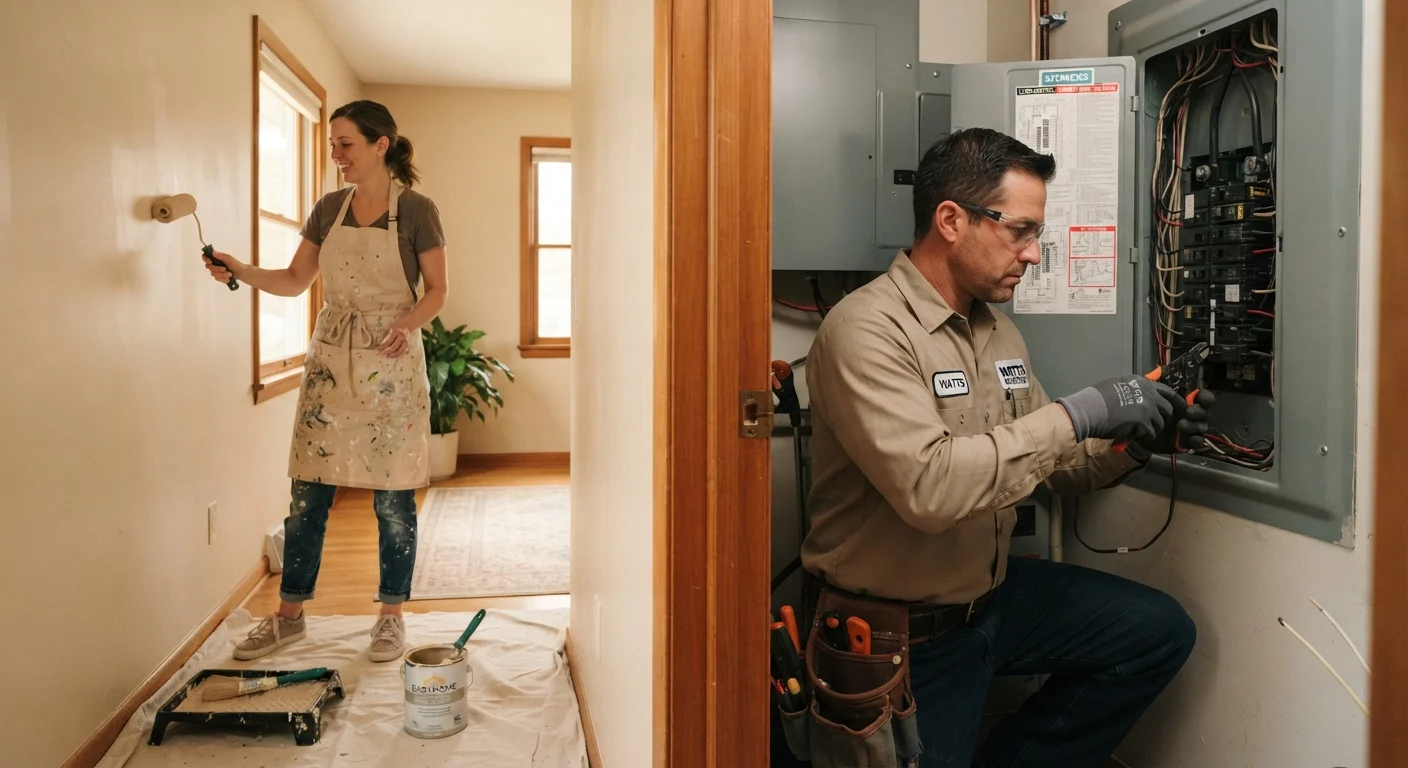
There are also legal dimensions. Work involving electrical systems, structural elements, plumbing connections to mains, or gas lines typically requires permits and licensed contractors in most U.S. jurisdictions. Unpermitted repairs - even those done competently - can create title complications and liability exposure at sale. See our guide to DIY vs. licensed tradespeople for a practical breakdown of where the line falls.
For homeowners working with limited budgets, the key is triage. Our prioritization guide for tight-budget maintenance explains how to sequence repairs by safety risk and damage-escalation potential, so the most consequential items are addressed first.
Building a Maintenance Habit That Prevents Deferral
The most effective antidote to deferred maintenance is a structured, calendar-based inspection routine. Catching problems at their earliest stage - a small stain, a minor draft, an unusual sound - is almost always cheaper and simpler than addressing them after escalation. A month-by-month home maintenance calendar provides a practical framework for staying ahead of seasonal vulnerabilities like freeze-thaw cycles, storm season, and humidity shifts.
Documentation matters too. Keeping a simple maintenance log - dates of service, contractors used, materials replaced - creates a paper trail that supports insurance claims, informs future buyers, and helps identify recurring problems that may need a more permanent solution. This habit takes minimal time and provides significant protection against the compounding costs that define deferred maintenance.
“The most expensive home repair is almost always the one you didn't make when it was still cheap. Maintenance is not optional - it's just a question of when you pay and how much.”
— Home & Living Editorial Team, Editorial perspective based on widely documented property management and inspection industry patterns
This article provides general home maintenance information for educational purposes only. Costs, repair requirements, permit obligations, and professional recommendations vary by location, property type, and individual circumstance. Consult qualified licensed professionals before undertaking significant repair or renovation work.