

Why an Annual Maintenance Calendar Works
Most home damage doesn't happen suddenly - it accumulates quietly. A cracked caulk line lets moisture in. A clogged gutter diverts water toward your foundation. A neglected furnace filter strains your HVAC system for years before it fails. The antidote is simple: a predictable, seasonal rhythm of checks and tasks that keep problems visible before they escalate.
This calendar breaks the year into four seasonal windows, each with targeted tasks matched to what your home actually needs at that time of year. If you're working with a tight budget, our guide on prioritising home maintenance when money is limited can help you decide which items are most urgent. And if you're heading away for an extended period, pair this calendar with the pre-holiday home preparation checklist for complete coverage.
Use the checklist groups below as a working reference - print them, save them digitally, or transfer the items to your preferred task manager. The goal is a home that stays safe, efficient, and structurally sound year after year.
Digital or printed calendar
Schedule and track maintenance tasks by month so nothing slips through the gaps.
Home maintenance log (notebook or app)
Record completed tasks, contractor visits, and parts replaced for insurance and resale documentation.
Caulking gun and weatherstrip tape
Seal gaps around windows, doors, and penetrations as part of seasonal weatherproofing checks.
Non-contact voltage tester
Safely verify power is off before inspecting electrical outlets or panels - essential for DIY-safe checks.
Ladder (6-ft and extension)
Access gutters, eaves, and low-slope roof areas for visual inspection and cleaning.
Roof rake
Remove snow and ice buildup from roof edges in winter without climbing onto the roof.
Seasonal Maintenance Checklist
Each seasonal block below covers the tasks most relevant to that period. Timing suggestions assume a temperate US climate - adjust earlier or later depending on your region. For tasks involving your home's exterior systems in depth, the complete guide to caring for your home's exterior offers detailed guidance on materials and methods.
Spring (March-May)
Summer (June-August)
Fall (September-November)
Winter (December-February)
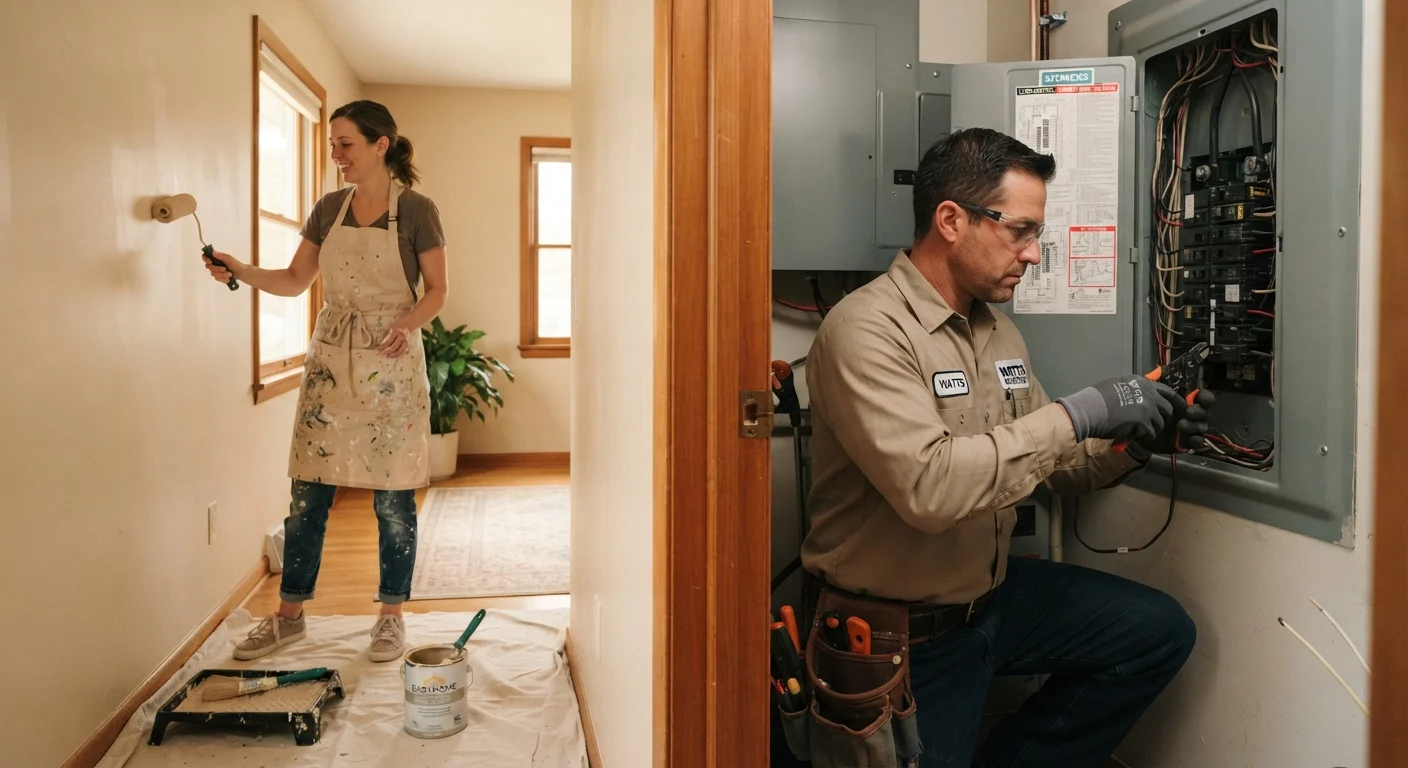
Leave Electrical and Gas Work to Licensed Professionals
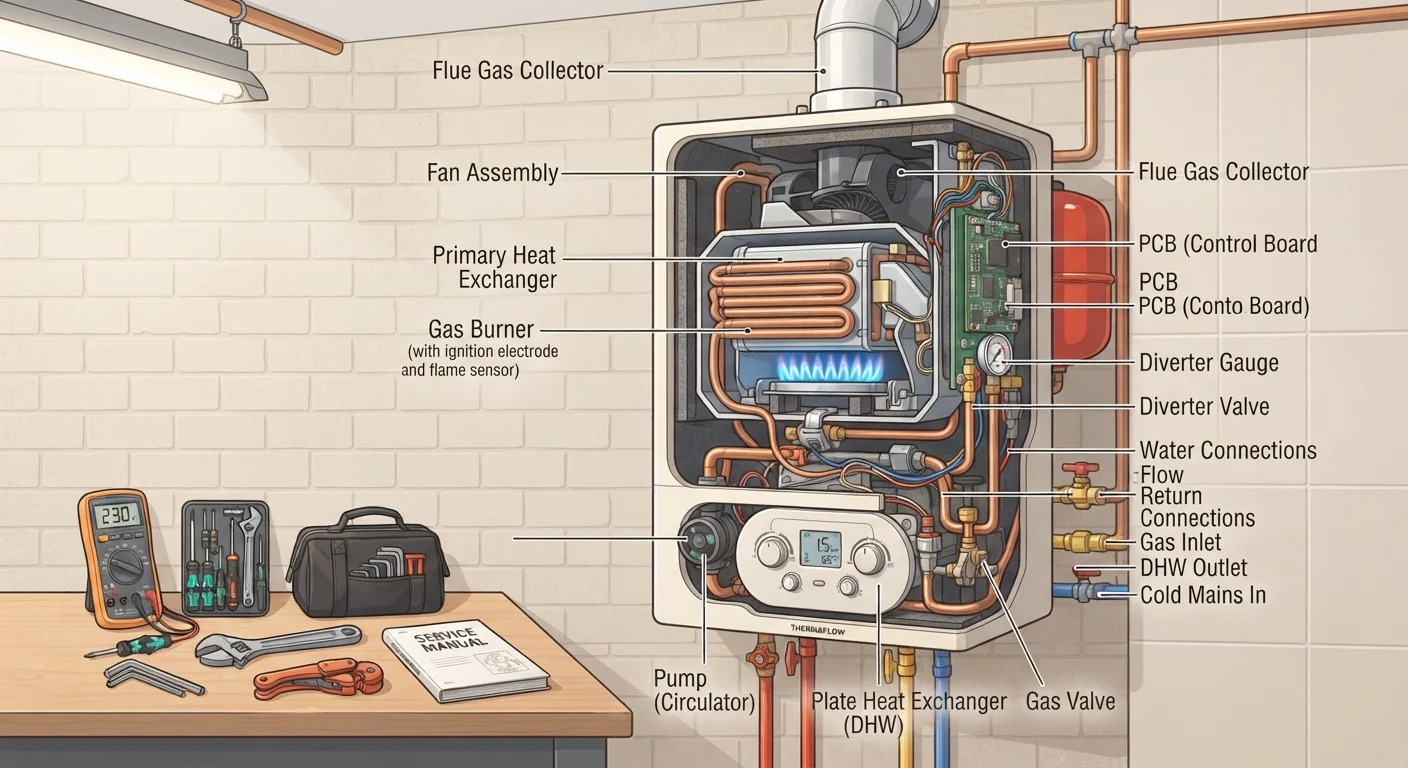
Tasks involving your home's electrical panel, gas lines, water heater gas connections, or structural elements are not DIY projects - regardless of online tutorials. Unpermitted or incorrectly performed work can void your homeowner's insurance, create safety hazards, and complicate future sales. Always hire a licensed, insured contractor and pull the required permits for regulated work in your jurisdiction.
Don't Skip Safety Device Checks
Smoke detectors, carbon monoxide alarms, and fire extinguishers are your first line of defense in an emergency. Testing them takes under five minutes yet is among the most commonly skipped maintenance tasks. At minimum, test detectors monthly and replace units that are more than 10 years old - check your device's manufacturing date printed on the back.
Ice Dams Can Cause Serious Interior Damage
Ice dams form when heat escapes through the roof and melts snow that then refreezes at the eaves. The pooled water can work under shingles and into your home's interior walls and ceilings. Adequate attic insulation and ventilation are the long-term fix; consult a roofing or insulation professional if ice dams are a recurring problem in your home.
Documenting completed tasks matters as much as doing them. A simple dated log - digital or paper - supports insurance claims, helps licensed contractors understand your home's service history, and strengthens your position when it comes time to sell.