
Why Home Preparation Matters Before an Extended Trip
A weekend away rarely demands more than locking the front door. But when you're leaving for a week or longer, an unoccupied home becomes vulnerable to slow leaks, power surges, pest intrusions, and security risks that compound quietly while you're thousands of miles away. A systematic pre-departure routine addresses each of these risks before they become expensive emergencies.
This checklist is organized by category so you can work through your home room by room and system by system. Pair it with the pre-trip safety preparation checklist to cover both your home and your personal travel readiness before you leave.
Plumbing & Water
Electrical & Appliances
Security & Access
Exterior & Grounds
Food & Household Items
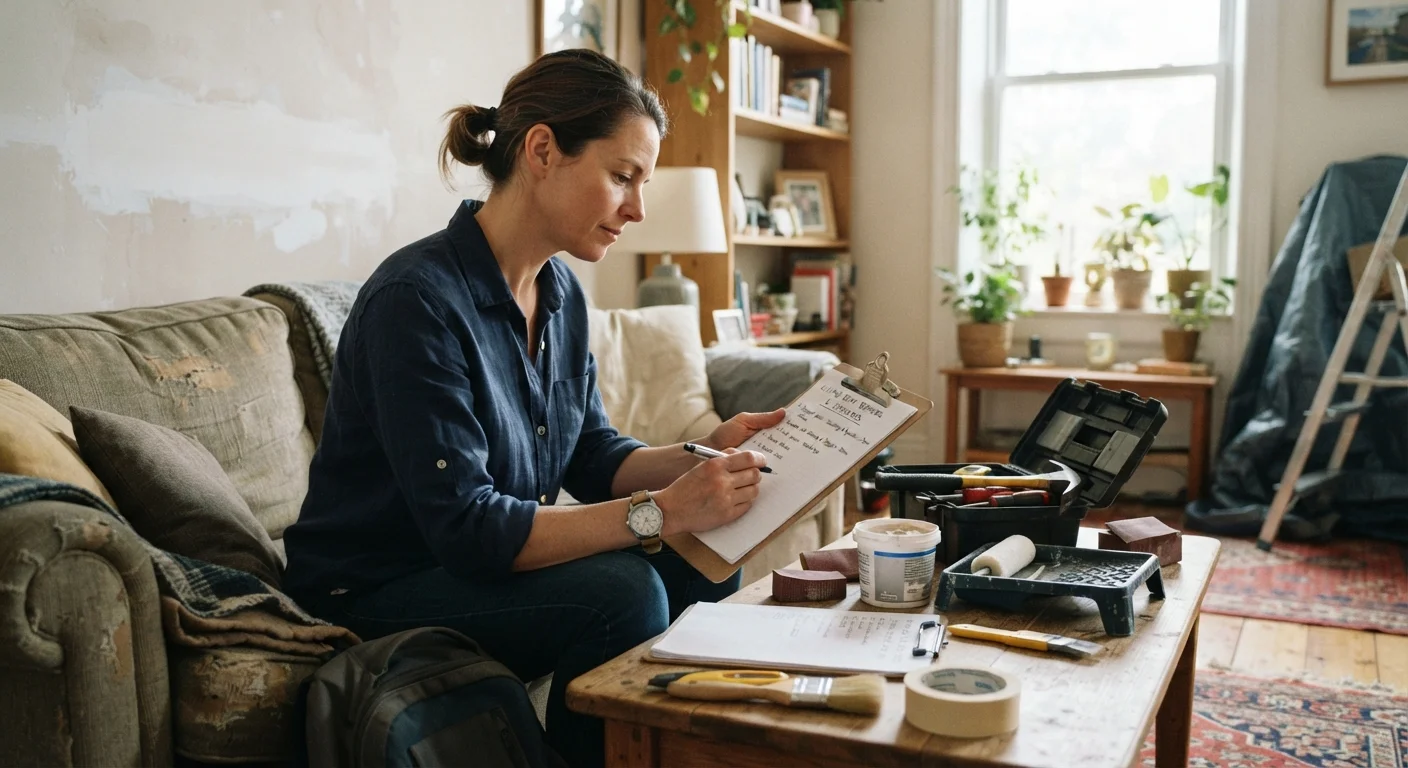
Tools and Resources You'll Need
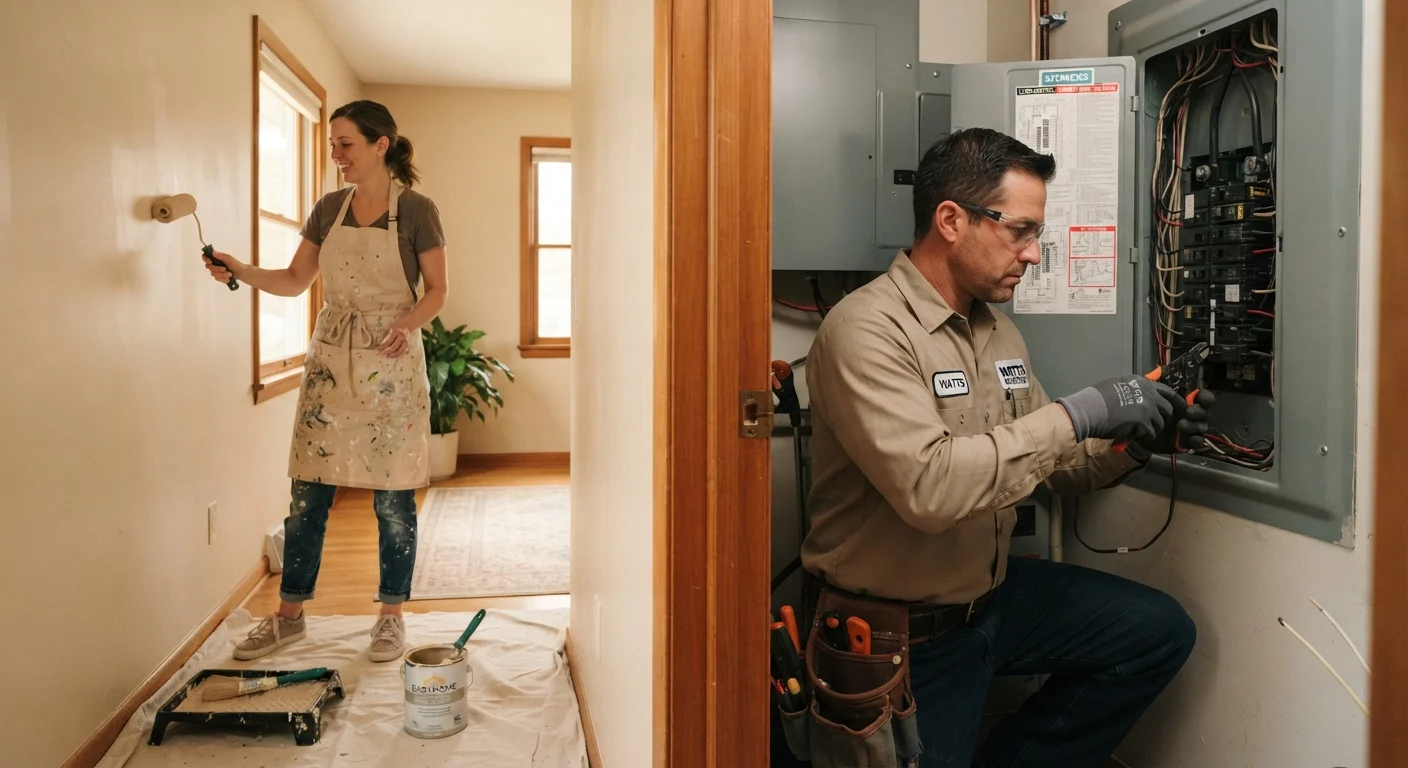
Most of these tasks require only basic household items and a bit of planning time. A few tasks - particularly those involving your electrical panel, HVAC system, or any gas appliances - may warrant a professional inspection if you haven't had one recently. The table below outlines what to have on hand before you begin.
Main water shut-off key or handle
Used to close the main water supply valve before departure.
Smart plug or mechanical outlet timer
Programs interior lights to switch on and off on a schedule, simulating occupancy.
Battery-powered smoke and CO detector
Provides fire and carbon monoxide alerts even if a circuit trips during your absence.
Surge protector power strips
Protects plugged-in appliances and electronics from power surges while you are away.
Smartphone with home monitoring app
Allows remote checking of a smart thermostat, security camera, or water sensor if installed.
Home inventory checklist or notebook
Used to document the condition of each room with written notes or photographs before leaving.
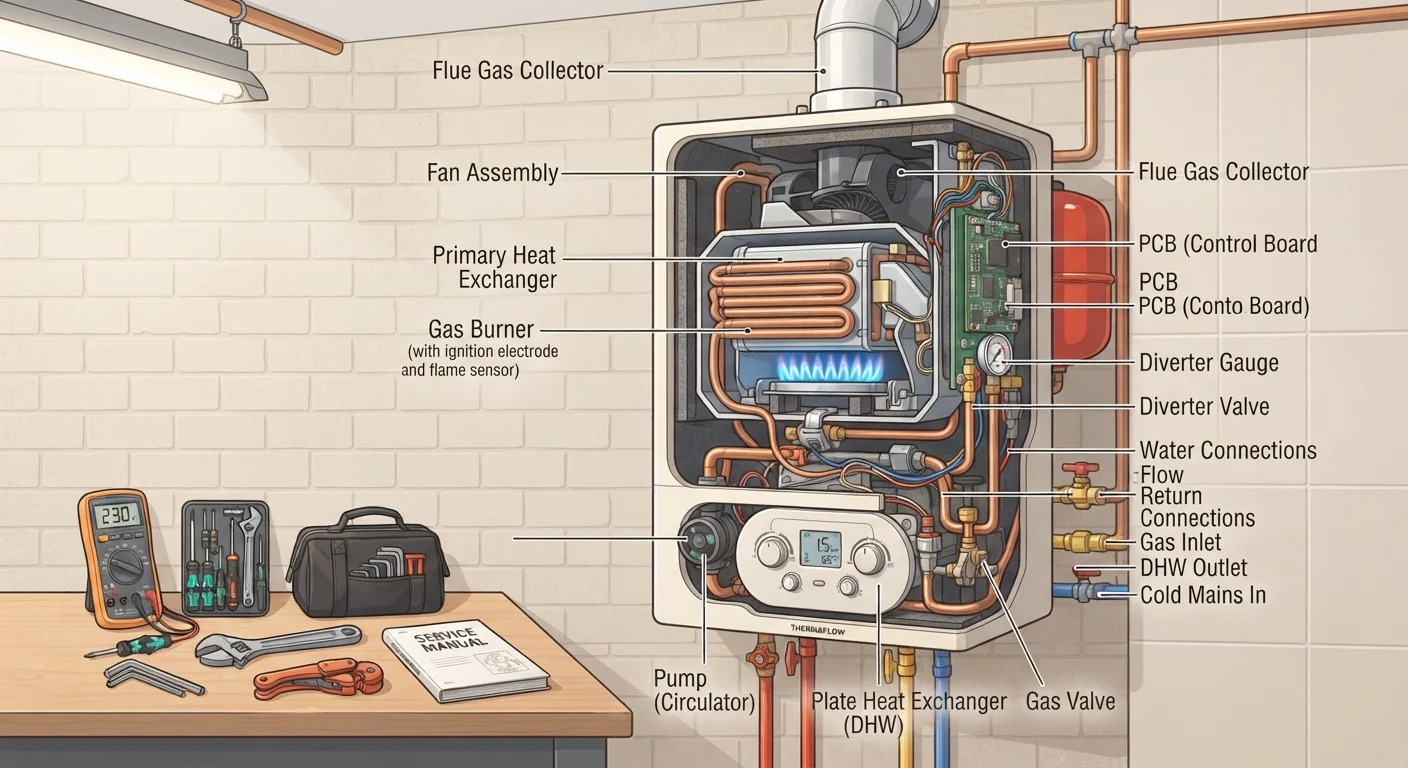
Gas Appliances Need Professional Attention
If you are considering turning off a gas supply line before a long absence, consult a licensed plumber or gas technician first. Improper shut-off or re-ignition of gas appliances - including water heaters, furnaces, and stoves - can create hazardous conditions. Never attempt to modify gas connections yourself.
Don't Lower Heat Too Aggressively in Winter
Setting your thermostat below 55°F to save energy during cold months risks freezing pipes, particularly in exterior walls and unheated spaces. Burst pipes can cause severe water damage in a very short time. Match your thermostat setting to your local climate and insulation level.
A Few Final Considerations
Once you've worked through the checklist, take a short walk through every room and check that windows are locked, valuables are stored securely, and any appliances left running - such as a refrigerator - are set appropriately. Photograph each room and any existing damage for your records. This documentation can be invaluable if you ever need to file a home insurance claim.
It's also worth noting that home systems interact. For example, if you lower your thermostat significantly in winter, be aware of the risk of pipes cooling in exterior walls. Balance energy savings against the realities of your climate and home construction. For a broader view of keeping your home in good shape year-round, explore your home's annual maintenance calendar.
Leave Emergency Contacts Accessible
Provide your trusted contact or house-sitter with your travel phone number, the number of a local plumber and electrician, and the location of your main water and electrical shut-offs. In the event of a sudden leak or power issue, seconds count. Consider also notifying your home insurer that the property will be unoccupied for an extended period - some policies have specific requirements for homes left vacant beyond a certain number of days.
This article is for general informational purposes only. Home systems vary widely; consult a licensed professional before undertaking any electrical, gas, structural, or plumbing work, and verify local code and permit requirements before making changes to your home.