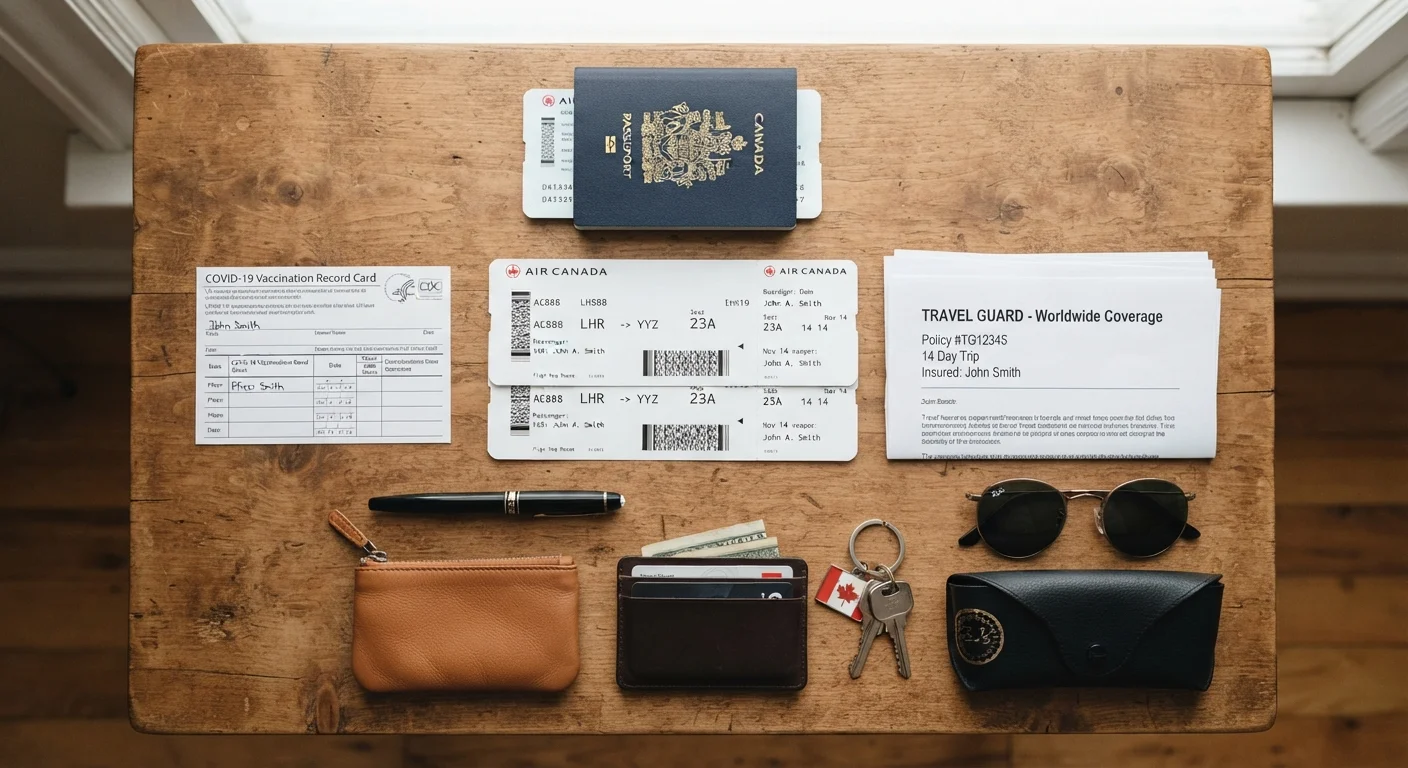

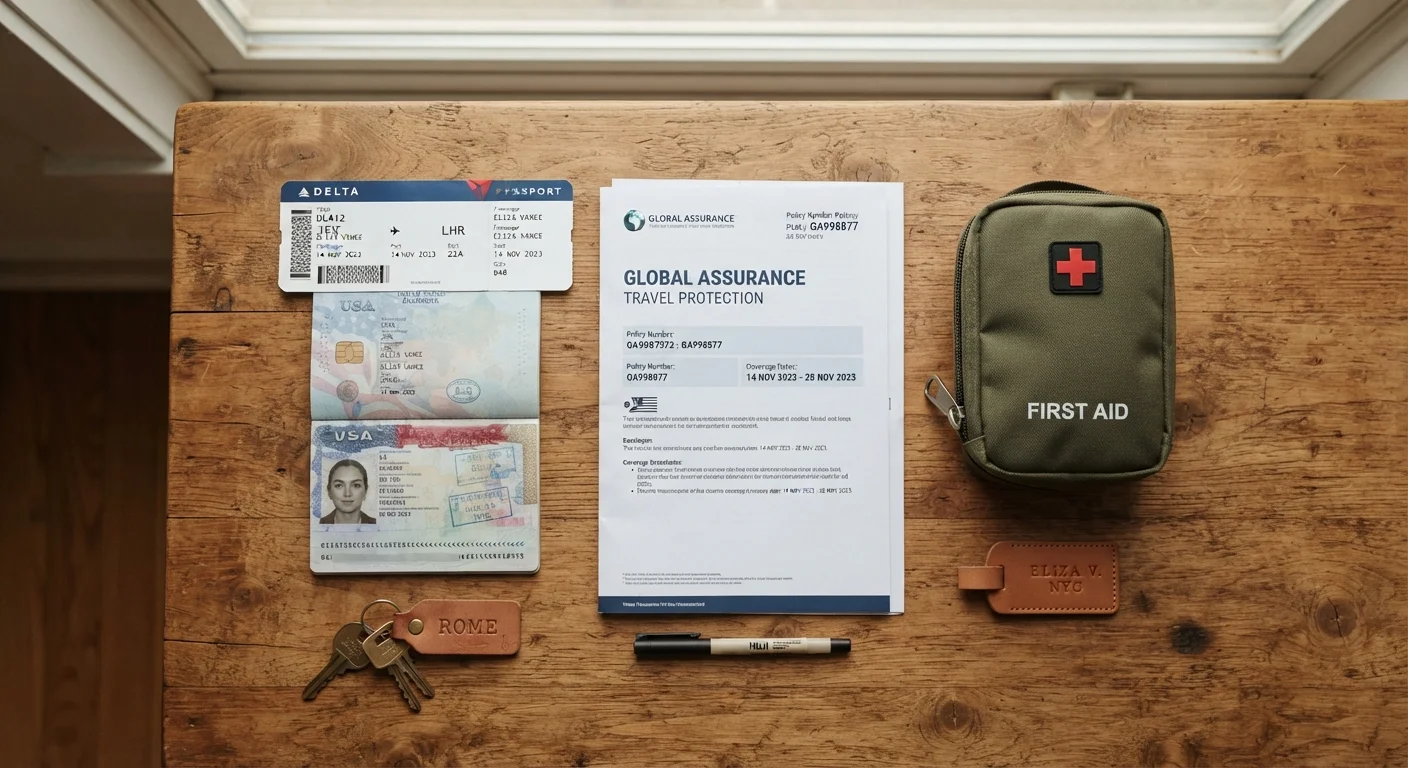
Why a Pre-Trip Safety Checklist Matters
Most travel disruptions don't stem from unpredictable disasters - they result from preventable gaps in preparation. A missing emergency contact, an expired passport, or a lapsed insurance policy can turn a manageable situation into a genuine crisis thousands of miles from home. This checklist is designed to close those gaps systematically, so you depart with documented plans rather than assumptions.
For a broader view of everything involved in getting ready to travel, see our comprehensive trip planning guide, which covers each stage from initial research through departure day. If you are planning an international trip, also review health precautions travelers often overlook - many of those steps require scheduling weeks in advance.
Documents and Entry Requirements
Travel Insurance and Emergency Coverage
Emergency Contacts and Itinerary Sharing
Health and Medical Preparation
Financial and Communication Readiness
Home Security Before You Leave
What You Need Before You Start
Have the following resources accessible before working through the checklist. Cross-referencing official sources - rather than relying solely on memory or third-party summaries - ensures you are working from current, accurate information.
US Department of State - Travel.state.gov
Look up passport validity rules, visa requirements, and destination-specific travel advisories for US citizens.
Smart Traveler Enrollment Program (STEP)
Register your trip with the nearest US Embassy so you can be reached in a destination emergency.
Travel Insurance Policy Documents
Reference your active policy to confirm coverage dates, emergency contacts, and exclusions before departure.
CDC Travelers' Health Website
Review destination health notices and vaccination recommendations to discuss with your healthcare provider.
Secure Cloud Storage (e.g., encrypted document app)
Store digital copies of passports, insurance cards, and itineraries in a location accessible from any device.
If your trip involves a cruise departure, the logistical requirements are slightly different. Our pre-sailing readiness checklist covers documents, port arrival times, and onboard account setup specific to that context.
Verify Entry Requirements From Official Sources Only
Entry rules - including passport validity thresholds, visa categories, and health documentation - change without broad public notice. Always check the official US Department of State country information pages and the destination country's consulate or embassy website directly. Third-party travel blogs and booking platforms may carry outdated or incomplete information. For detailed guidance on what US travelers specifically need to confirm, see our passport, visa, and entry verification guide.
Final Steps: Home, Finances, and Departure Day
Safety preparation extends beyond your person and documents - it includes the home and financial accounts you leave behind. Review our home preparation checklist for a structured walkthrough of maintenance and security steps before you leave your property unoccupied.
Do Not Rely on Memory for Emergency Information
Phone batteries die, networks go down, and stress impairs recall - all of which are more likely during a travel emergency. Write critical information (policy numbers, emergency contacts, local emergency numbers, your home contact's details) on a physical card you keep separate from your phone and wallet. This redundancy costs almost nothing and can be essential when digital access is unavailable.
For general insurance guidance relevant to your coverage decisions, the Insurance hub provides educational context on key coverage types. Always read your actual policy documents and consult a licensed professional for advice specific to your situation. Once you have worked through every section of this checklist, you can depart with confidence that the controllable variables are accounted for.
This article is for general informational purposes only and does not constitute legal, medical, financial, or insurance advice. Always verify entry requirements, health recommendations, and coverage details with official government sources, qualified healthcare providers, and licensed insurance professionals before traveling.