
The Core Documents Every International Traveler Needs
Before anything else, identify which documents are legally required for your trip versus which are simply smart to have. The required tier is non-negotiable.
Passport
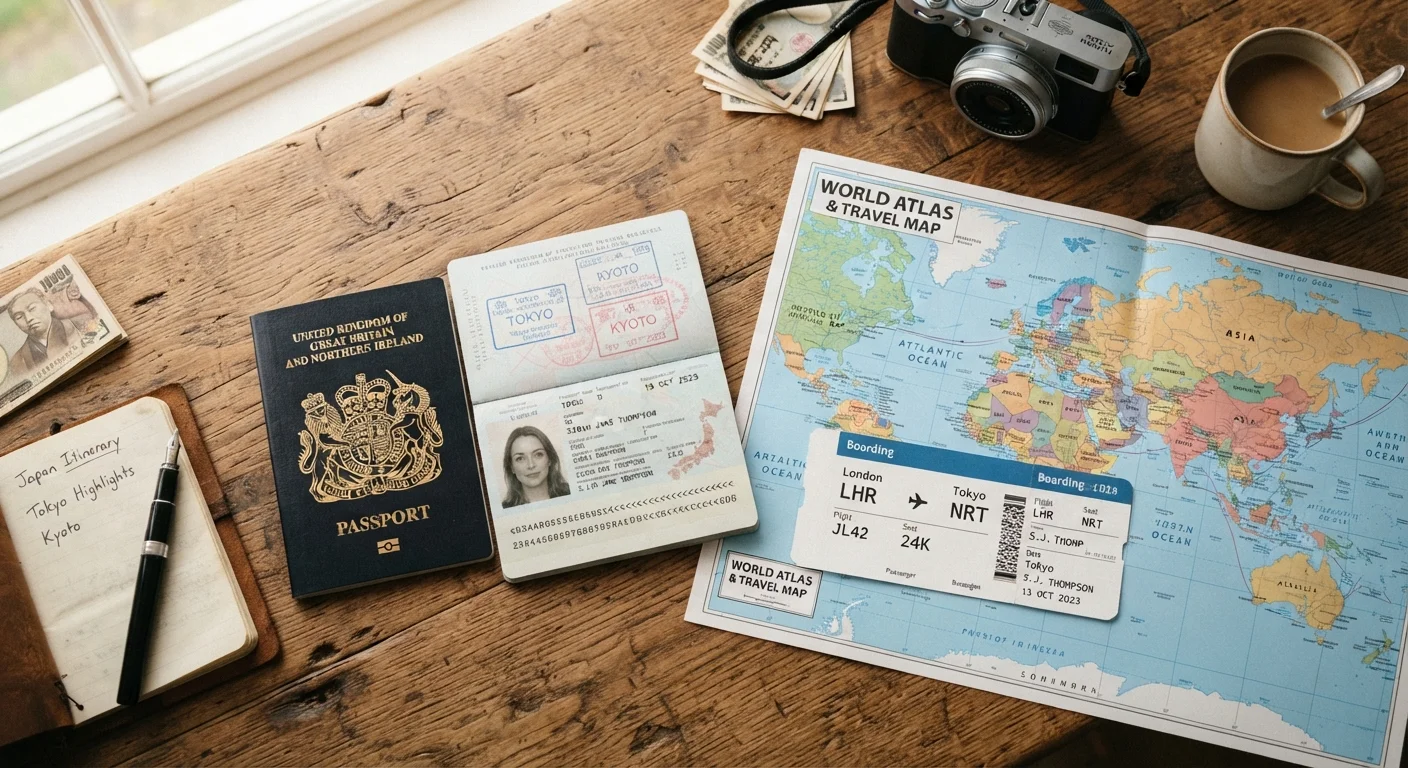
Your US passport is the single most important document you carry internationally. Check its expiration date well in advance — many countries require at least six months of validity beyond your planned return date. Renewing a passport can take several weeks under standard processing, and expedited services still require planning ahead.
Visa or Entry Authorization
Depending on your destination, you may need a visa obtained before travel, a visa on arrival, an electronic travel authorization (such as Canada's eTA or the EU's forthcoming ETIAS), or nothing at all. Requirements differ by destination and can change. Always verify current rules through official embassy or government sources — not travel blogs. See
REAL ID
A federally compliant form of US state-issued ID that meets minimum security standards set by the REAL ID Act of 2005. It is accepted for domestic air travel but does not replace a passport for international entry.
Visa on Arrival
An entry permit issued at a port of entry rather than obtained in advance from an embassy. Eligibility depends on your nationality and the destination country's policies.
Travel Insurance Certificate
A document issued by your travel insurance provider summarizing your coverage type, policy number, coverage limits, and the insurer's emergency assistance contact number.
Notarized Letter of Consent
A document signed before a notary public that grants permission for a minor to travel internationally with an adult who is not both legal parents or guardians. Requirements vary by country.
International Driving Permit (IDP)
An official translation of your US driver's license recognized in over 150 countries. It must be carried alongside your valid US license and is issued through AAA or AATA before departure.
STEP Enrollment
The Smart Traveler Enrollment Program, a free US Department of State service that registers your trip with the nearest US embassy or consulate so they can contact you in emergencies.
Printed Flight Itineraries and Hotel Confirmations
Border agents sometimes ask for proof of onward travel and accommodation. A printed itinerary costs nothing to produce and answers those questions immediately without relying on connectivity.
Travel Insurance Certificate
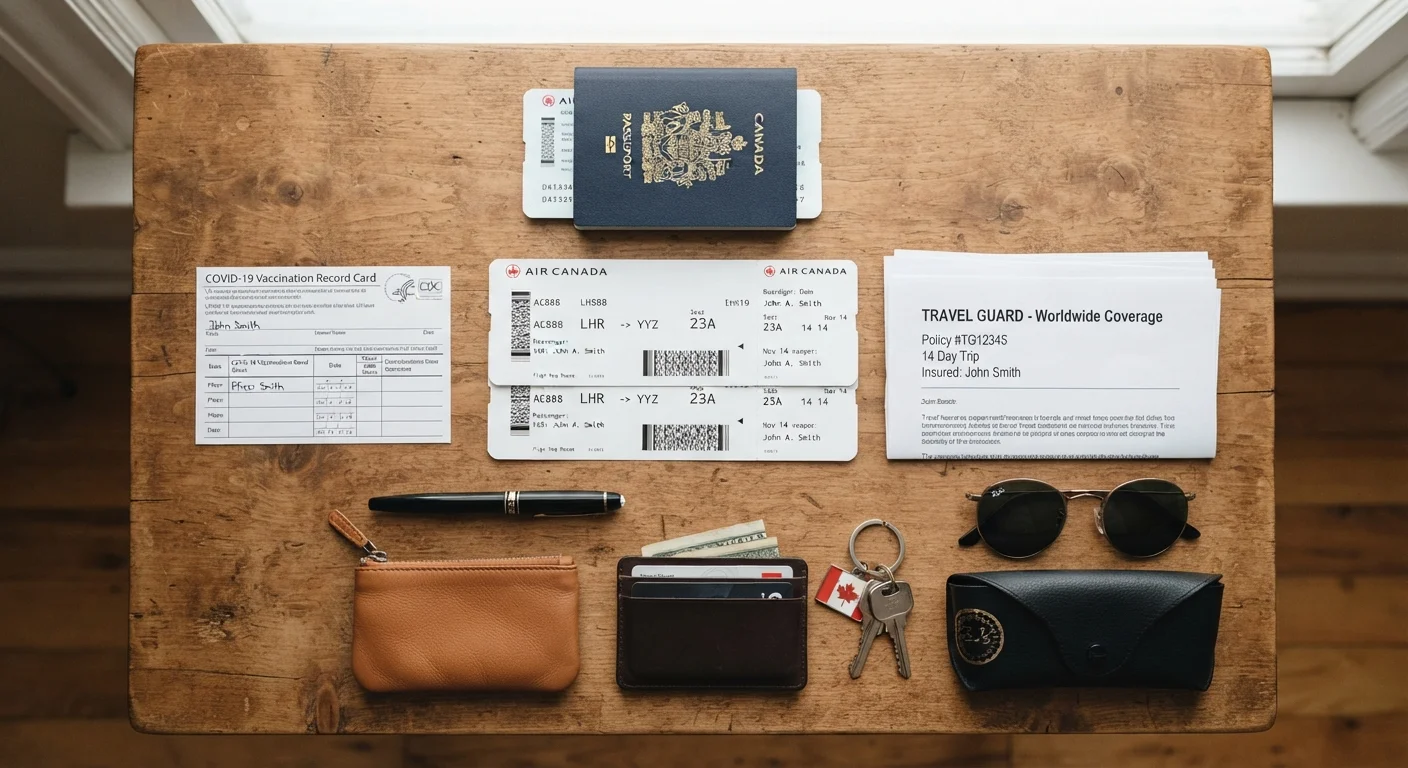
Carry the full policy documentation — not just a summary card. Include the emergency assistance phone number separately so you can reach your insurer even if your phone is lost or locked.
| Passport validity buffer | 6 months beyond travel dates (many countries require this) (US Department of State) |
| Recommended backup copies | At least 2 — one digital (secure cloud), one physical stored separately from originals (US Department of State travel guidance) |
| STEP enrollment | Free; available at travel.state.gov (US Department of State) |
| International Driving Permit | Issued through AAA or AATA; valid in 150+ countries (AAA) |
| Visa processing time | Varies widely — some require 6–8 weeks or more in advance (Individual embassy requirements vary) |
| Travel insurance policy number | Keep both on your phone and on printed paper (General travel safety best practice) |
Health, Identity, and Situational Documents Worth Adding
Beyond the legally required tier, a second category of documents can significantly reduce complications if something goes wrong abroad.
Vaccination Records
Some countries require proof of specific vaccinations at entry — yellow fever documentation is a commonly mandated example for certain regions. Even where not required, having a record of your immunization history is useful if you need medical care overseas. The health precautions travelers often overlook article covers how to prepare your medical documentation alongside your travel health planning.
Prescription Medication Documentation
If you carry prescription medications, bring a letter from your prescribing provider on official letterhead, including the generic drug name and dosage. Some medications legal in the US are controlled or prohibited in other countries. For detailed guidance on this topic, the what travel health prep actually involves resource addresses the full scope of pre-trip health planning.
International Driving Permit
If you plan to drive abroad, an International Driving Permit works alongside your valid US license. It must be obtained before you leave the country — it cannot be issued abroad.
Notarized Consent Letter (Minor Travelers)
Children traveling with one parent, with non-parent adults, or alone may be required to present a notarized letter of consent. Requirements vary significantly by country and are strictly enforced at some borders.
Verify Entry Requirements Directly with Official Sources
Visa rules, vaccination requirements, and entry conditions change frequently and vary by destination. Always confirm current requirements with the destination country's official embassy or consulate website and check the US Department of State's country-specific travel pages at travel.state.gov before departure. Do not rely solely on third-party summaries.
How to Copy, Store, and Access Your Documents
Having the right documents matters little if you can't access them when a passport is stolen or a bag is lost. A deliberate storage strategy addresses this risk.
What to Copy
Make copies of: your passport photo page, any visas, your travel insurance policy, your flight itinerary, hotel confirmations, your credit card emergency numbers, and any medical documentation. The pre-trip safety preparation checklist walks through a broader set of departure preparations, including document backup steps.
Physical Copies
Store at least one physical copy of your passport separately from the original — in a different bag or with a travel companion. Leave a second set with a trusted person at home who can scan and email documents to you if needed. For broader thinking on physical versus digital filing habits, the paperless vs. physical filing guide offers useful framing.
Digital Copies
Upload scans to a secure, password-protected cloud storage folder — not unsecured email drafts. Access from any device if your physical documents are lost or stolen. Email a copy to yourself as a secondary fallback.
STEP Enrollment
Register your trip with the US Department of State's Smart Traveler Enrollment Program before departure. This allows the nearest US embassy or consulate to locate and assist you during emergencies. For a full overview of consular resources available abroad, see emergency contacts, consulates, and crisis resources.
~10%
Travelers who lose or have documents stolen abroad
Estimates from US State Department emergency passport services suggest document loss is among the most common traveler crises handled by US consulates abroad.
150+
Countries recognizing the International Driving Permit
According to AAA, the IDP is recognized in more than 150 countries and is required to rent or drive legally in many of them.
6 months
Minimum passport validity required by many countries
The US Department of State advises travelers to ensure their passport is valid for at least six months beyond their planned return date, as many countries enforce this at the border.
This article is for general informational purposes only. Entry requirements, health regulations, and travel conditions change frequently. Always verify current requirements with official government sources and consult qualified professionals for medical, legal, or financial decisions related to your trip.