

Why Document Verification Belongs Before You Book
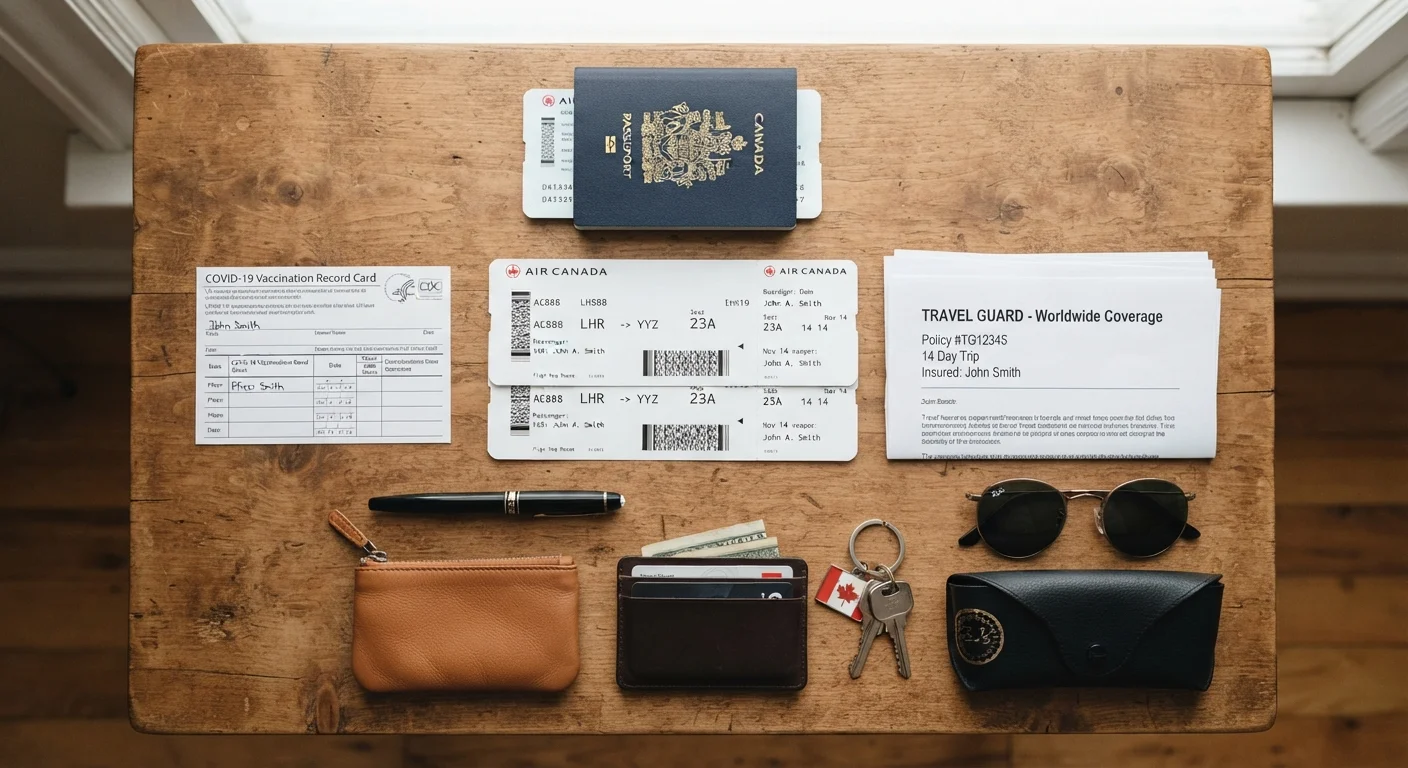
Most travelers think about passports and visas after they've committed to flights and hotels. That order of operations creates real risk. Visa processing times alone can run anywhere from a few business days to several months depending on your destination. Discovering that your passport expires too soon — after you've paid non-refundable deposits — is a costly mistake that's entirely avoidable.
Entry requirements are also not static. Governments adjust visa policies, vaccination mandates, and electronic authorization programs with limited notice. A rule that applied to your last trip may not apply to your next one, even to the same country. The only reliable approach is to verify requirements systematically, using official sources, as close to your booking date as possible — and then again before you fly.
This checklist walks through every category of entry documentation a US traveler should confirm. Work through it before committing to any itinerary. For a broader view of pre-departure safety planning, see this pre-trip safety preparation checklist.
Passport Validity
Visa and Travel Authorization Requirements
Entry Conditions and Border Requirements
Pre-Departure Final Checks
Tools and Official Sources You'll Need
Reliable entry information comes from a short list of authoritative sources. Airline websites, travel blogs, and third-party booking platforms are not substitutes — they frequently carry outdated or generalized information. Use the resources below throughout this checklist process.
US Department of State — Country Information Pages
The primary official source for visa requirements, entry rules, travel advisories, and health alerts for every country US citizens may visit.
Destination Country's Official Embassy or Consulate Website
The authoritative source for visa application procedures, current processing times, required documentation, and fee schedules.
Smart Traveler Enrollment Program (STEP)
A free US government service that registers your trip with the nearest US embassy and provides emergency alerts and contact support abroad.
CDC Travelers' Health Portal
Official health guidance for US travelers including destination-specific vaccination recommendations and outbreak notices.
IATA Travel Centre
A database used by airlines to look up passport, visa, and health document requirements — useful for cross-referencing airline boarding compliance.
If you're uncertain whether you need a full passport book or whether a passport card would serve your itinerary, this comparison of passport vs. passport card breaks down the practical differences. Once your entry documents are confirmed, organizing all your travel documents is the logical next step.
Third-Party Visa Services Are Not Official Sources
Numerous commercial websites mimic the appearance of official government visa portals and charge fees for applications that could be submitted directly through official embassy channels. Always begin your visa research at travel.state.gov or the destination country's official embassy website. Verify the URL carefully before entering personal information or making any payment.
Visa-Free Does Not Always Mean Unrestricted Entry
Visa-free access for US passport holders still comes with conditions — including limits on length of stay, prohibited work or commercial activities, and entry requirements like return tickets or health documentation. Border officers retain discretionary authority to deny entry even when no visa is required. Confirm the specific conditions that apply to your travel purpose, not just whether a visa is needed.
Assumptions That Can Get You Turned Away
Entry refusals at the border — or denial of boarding at departure — often stem from assumptions travelers carry from past experience or informal sources. A few of the most consequential ones: assuming that a previous visa is still valid for a return trip, assuming visa-free access applies to all types of travel (tourist versus business versus transit), and assuming that country-level rules haven't changed since a previous visit. Common myths about international travel covers several of these in detail — worth reviewing if any of these assumptions feel familiar.
The checklist above is designed to surface exactly these gaps. Complete every applicable item for your specific destination, travel dates, and purpose of travel before finalizing any booking. Requirements for a two-week vacation differ from those for a business trip, a volunteer stay, or a multi-country itinerary. Treat each trip as a fresh verification exercise, not an extension of the last one.
This article provides general travel information for educational purposes only. Entry requirements, visa rules, and travel advisories change frequently. Always verify current requirements directly with the destination country's official embassy or consulate and with the US Department of State before traveling. This content does not constitute legal or immigration advice.