

Why Travel Myths Persist — and Why They Matter
Misconceptions about international travel aren't harmless. Acting on inaccurate assumptions can mean arriving underprepared, overpaying for services, or misreading risk in ways that genuinely affect safety. US travelers, in particular, encounter a cluster of persistent myths shaped by unfamiliarity with foreign systems, outdated advice passed between friends, and media narratives that don't reflect on-the-ground reality.
The myth-and-fact pairs below address the most common and consequential of these beliefs — from money and documents to safety and health — so you can plan with accurate expectations rather than inherited assumptions. For a broader foundation on staying safe abroad, see our travel safety fundamentals guide.
Myth
Exchanging currency at the airport is the safest and most convenient option.
Fact
Airport exchange booths typically charge significantly higher fees and offer worse exchange rates than local ATMs or bank branches at your destination.
Airport currency exchange services are convenient, but convenience comes at a measurable cost. Margins on exchange rates at airport kiosks can be substantially higher than interbank rates. A better approach for most travelers is to withdraw local currency from an ATM at or near your destination using a debit card — ideally one with low or no foreign transaction fees. Notify your bank before departure to avoid fraud holds, and carry a small amount of local currency for immediate needs upon landing.
Myth
US health insurance covers you anywhere you travel internationally.
Fact
Most standard US health insurance plans provide very limited or no coverage outside the United States; emergency care abroad can result in significant out-of-pocket costs.
Coverage terms vary by insurer and plan, but a large proportion of US domestic health plans — including many employer-sponsored ones — do not extend meaningful coverage abroad. Medicare, for example, generally does not cover care outside the US. Travelers should review their policy documents carefully before departure and consider purchasing travel medical insurance or an international health plan for the duration of their trip. This is especially relevant for regions where emergency care requires upfront payment before treatment is provided.
Myth
If you don't speak the local language, you won't be able to get by.
Fact
English is widely spoken in most travel hubs, tourist areas, and service industries worldwide, though learning a few local phrases remains a practical and respectful asset.
English functions as a common language across much of global hospitality, transportation, and commerce. In major cities and tourist destinations across Europe, Southeast Asia, Latin America, and beyond, travelers who speak only English can typically navigate airports, hotels, and restaurants without difficulty. That said, making genuine effort to greet locals and express basic courtesies in the local language is widely appreciated and often improves interactions. Translation apps with offline capability are a practical backup for situations where language gaps arise.
Myth
A US passport gets you into almost any country without advance planning.
Fact
US passport holders still require visas or special authorizations to enter many countries, and nearly all destinations have passport validity requirements beyond your travel dates.
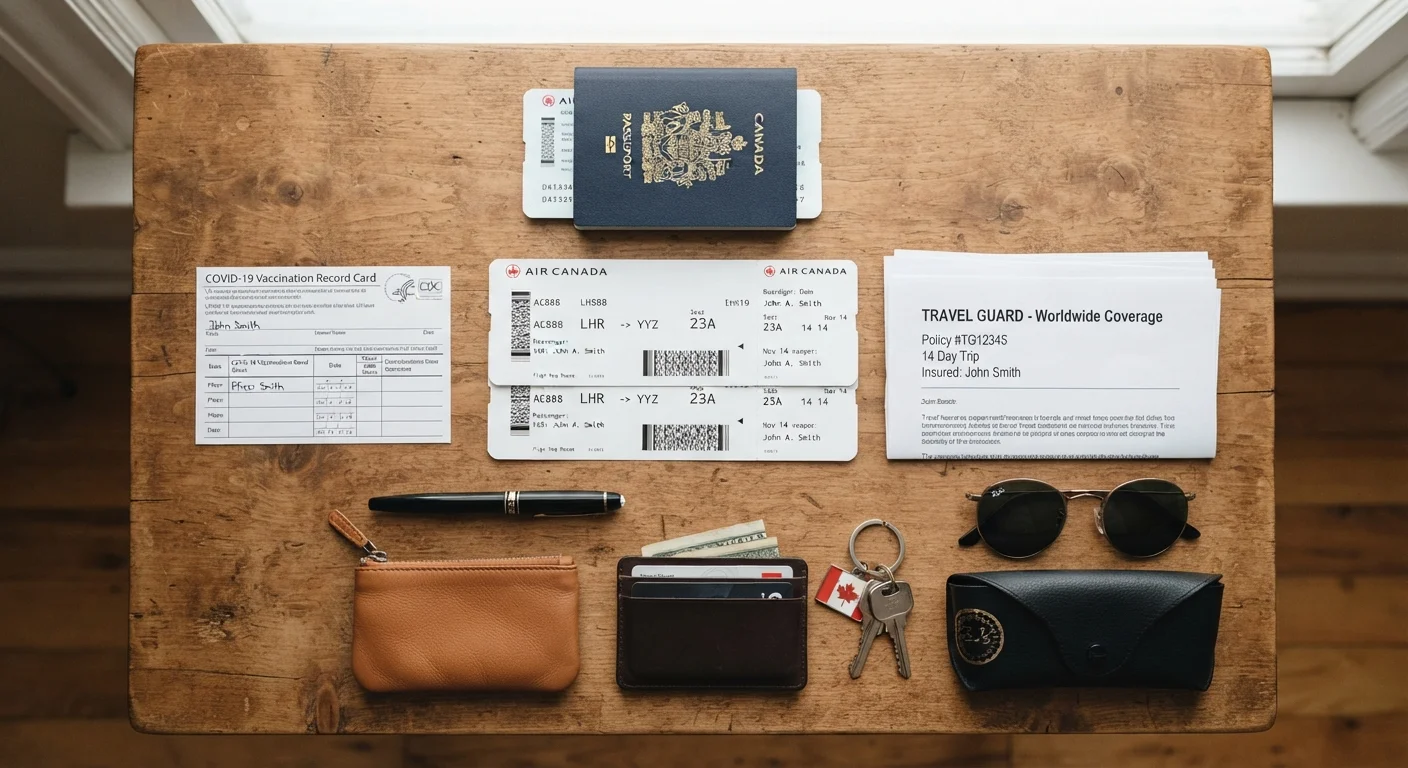
While US passport holders enjoy visa-free or visa-on-arrival access to a large number of countries, this is not universal. Several popular and emerging destinations require advance visa applications, and others have introduced electronic travel authorizations — similar to the ESTA program for the US — that must be secured before boarding. Equally important: many countries require that a passport remain valid for at least six months beyond the traveler's intended departure date. Arriving with insufficient validity is grounds for denial of boarding or entry. Always verify entry requirements directly through the destination country's official embassy or consulate website, and cross-reference with the US State Department's country information pages.
Myth
Tourist areas are the safest places because there's always security and crowds around.
Fact
High-traffic tourist zones are frequently targeted by opportunistic theft precisely because of the concentration of distracted visitors carrying valuables.
Visible crowds can create a false sense of safety. Pickpockets and distraction thieves are more concentrated in popular tourist sites — busy squares, crowded markets, metro platforms near major attractions — not less. Awareness of your surroundings, secure bag placement, and avoiding obvious displays of expensive equipment or cash matter more in these areas, not less. Security personnel near tourist attractions are typically focused on site safety rather than individual theft prevention.
Myth
Travel advisories mean a country is dangerous and should be avoided entirely.
Fact
The US State Department's advisory system uses four graduated levels; most advisories reflect specific conditions or regions rather than blanket danger across an entire country.
A Level 1 or Level 2 advisory — the two lowest categories — covers a large portion of destinations that millions of travelers visit safely each year. Even Level 3 advisories (Reconsider Travel) do not constitute a prohibition; they indicate that travelers should carefully evaluate their plans and take precautions. The advisory detail pages specify which regions or circumstances prompted the rating, which is often far more informative than the level number alone. Travelers should read the full advisory text and consult the State Department's country-specific pages before making decisions based on headline ratings alone.
Documents, Health, and Insurance: The High-Stakes Details
The myths with the most serious real-world consequences tend to cluster around documents and health coverage — areas where an error discovered at the airport or after a medical incident is very difficult to recover from.
Passport Validity Can Ground Your Trip
A common and costly mistake is assuming your passport is valid simply because it hasn't expired before your departure date. Many countries require six months or more of remaining validity beyond your last travel date. Airlines may deny boarding if this requirement isn't met — and refunds are not guaranteed. Check your passport's expiration date against your destination's specific entry rules well before booking, using official government sources.
Before any international trip, verify your passport's validity against the specific entry requirements of your destination — not just US departure rules. Many countries require six months of validity beyond your travel dates. Our passport and visa verification guide walks through exactly what to check and where to find official requirements.
On the health side, a travel clinic visit well before departure can clarify what vaccinations or prescriptions are advisable for your destination. For a full breakdown of what travelers commonly overlook, our international health precautions article covers the planning timeline in detail.
4-in-1
US travelers without international health coverage
Industry surveys consistently find that a significant share of US travelers depart without verifying whether their domestic health insurance applies abroad, leaving them financially exposed to out-of-pocket medical costs.
185+
Countries requiring advance visa or authorization
According to publicly available US passport index data, US passport holders still need visas or electronic travel authorizations for a substantial number of destinations worldwide — advance verification remains essential.
6 months
Passport validity required beyond travel dates
Many countries — including popular destinations across Asia, Africa, and the Middle East — require passports to remain valid for at least six months after the traveler's planned departure date.
Insurance deserves its own scrutiny. The assumption that existing US coverage — whether employer-sponsored health insurance or a credit card's travel benefit — provides meaningful international medical coverage is one of the most financially risky myths US travelers hold. Policy terms vary enormously; read yours before departure, and consult a licensed insurance professional if coverage questions arise. For a parallel look at how insurance myths affect Americans in other contexts, see common insurance myths that leave Americans underprotected.
Don't Assume Credit Card Travel Benefits Replace Insurance
Some travel credit cards include trip cancellation coverage or emergency assistance benefits, but these are not substitutes for comprehensive travel medical insurance. Coverage limits, exclusions, and claim procedures vary significantly between cards. Review the actual benefit terms — not just the card's marketing language — before assuming you're covered for medical evacuation, hospitalization, or emergency care abroad. When in doubt, consult a licensed insurance professional.
Rethinking Safety Perceptions Abroad
Safety-related myths are among the most deeply held — and the most worth examining critically. The belief that tourist zones are inherently safe, or that a US passport confers special protection, can lead travelers to lower their guard at precisely the moments awareness matters most.
Travel advisories issued by the US State Department use a four-level system. A Level 1 (Exercise Normal Precautions) or Level 2 (Exercise Increased Caution) designation does not mean a destination should be avoided — it means specific conditions warrant awareness. Reading the advisory's detail section, rather than reacting to the level number alone, gives a far more accurate picture. For a careful look at how common safety beliefs hold up against evidence, our article on myths about staying safe abroad examines the evidence directly.
Petty crime — pickpocketing, bag snatching, distraction theft — is statistically among the most common risks US travelers face, and it is most concentrated in heavily trafficked tourist areas, not remote ones. Overconfidence is a meaningful vulnerability. Our guide on underestimating petty crime explains why awareness — not paranoia — is the practical response.