
The Confidence Trap: Why Experience Creates Vulnerability
The travelers most frequently caught off guard by petty theft are not first-timers — they are people who have traveled enough to feel safe. That familiarity breeds a measurable drop in vigilance. When nothing bad has happened across a dozen trips, the absence of incident gets misread as evidence of personal skill rather than statistical probability.
This is sometimes called the optimism bias in risk research: the tendency to believe negative outcomes are more likely to happen to others than to ourselves. Applied to travel, it manifests as dismissing theft warnings as overcautious, skipping precautions that feel unnecessary, and operating on autopilot in genuinely high-risk environments.
Common myths about staying safe abroad reinforce this pattern. The belief that tourist-heavy areas are well-policed and therefore safer is one of the most persistent and dangerous assumptions a traveler can carry. In reality, those areas attract professional thieves for exactly the same reasons they attract visitors: predictable crowds, distracted behavior, and high concentrations of people carrying cash, cameras, and cards.
#1
Most reported crime category against tourists
Theft and pickpocketing consistently rank as the most frequently reported crimes involving tourists across major European and Latin American destinations, according to data compiled by travel safety researchers and government advisories.
60%+
Of theft incidents occur in crowded public spaces
Research into urban crime patterns suggests the majority of tourist-targeted theft occurs in transit hubs, markets, and tourist attractions — environments where distraction and crowding are highest.
The Mistakes That Create Opportunities
Petty theft rarely happens because a traveler was unlucky. It happens because an identifiable behavior made them a viable target. Understanding the specific errors — and why they feel natural in the moment — is the foundation of meaningful prevention.
Assuming petty crime only happens to careless or inexperienced travelers.
Why it happens: Experienced travelers often develop a false sense of immunity, believing their prior trips without incident mean they have the right habits. This overconfidence can lead to relaxed vigilance precisely when it matters most.
Carrying all valuables — passport, cash, multiple cards — in one bag or pocket.
Why it happens: Convenience drives this behavior. Travelers consolidate items to reduce the friction of accessing them throughout the day, without weighing the consequence of a single point of failure.
Becoming distracted by staged scenarios designed to create a theft opportunity.
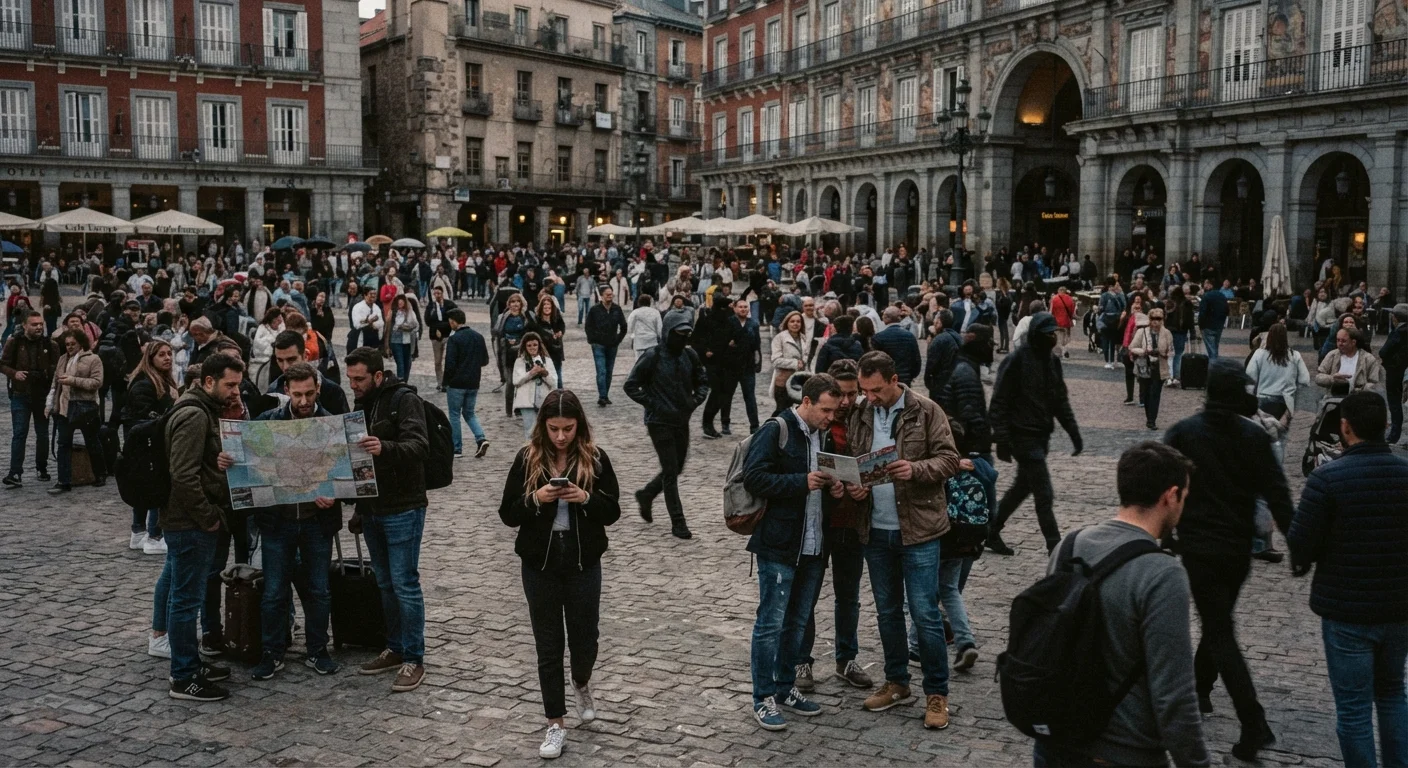
Why it happens: Common setups — someone spilling something on you, asking for directions with a map, or creating a commotion nearby — are convincing because they mimic genuine interactions. Travelers feel rude or paranoid refusing engagement.
Leaving bags unattended or loosely placed in restaurants, cafés, and transit areas.
Why it happens: Travelers become comfortable in what feels like a calm, supervised environment and set down bags without anchoring them, particularly during meals or while waiting.
Ignoring destination-specific theft patterns before arrival.
Why it happens: General safety research feels sufficient, and travelers rarely dig into the specific tactics used in individual cities. Pickpocket methods vary significantly by location and venue type.
For travelers going it alone, these vulnerabilities compound. Solo travel safety habits address exactly this dynamic: building genuine confidence through preparation rather than assumption. The behavioral patterns that protect solo travelers in unfamiliar cities are the same ones that protect any traveler in high-risk environments.
Passport Theft Has Serious Consequences
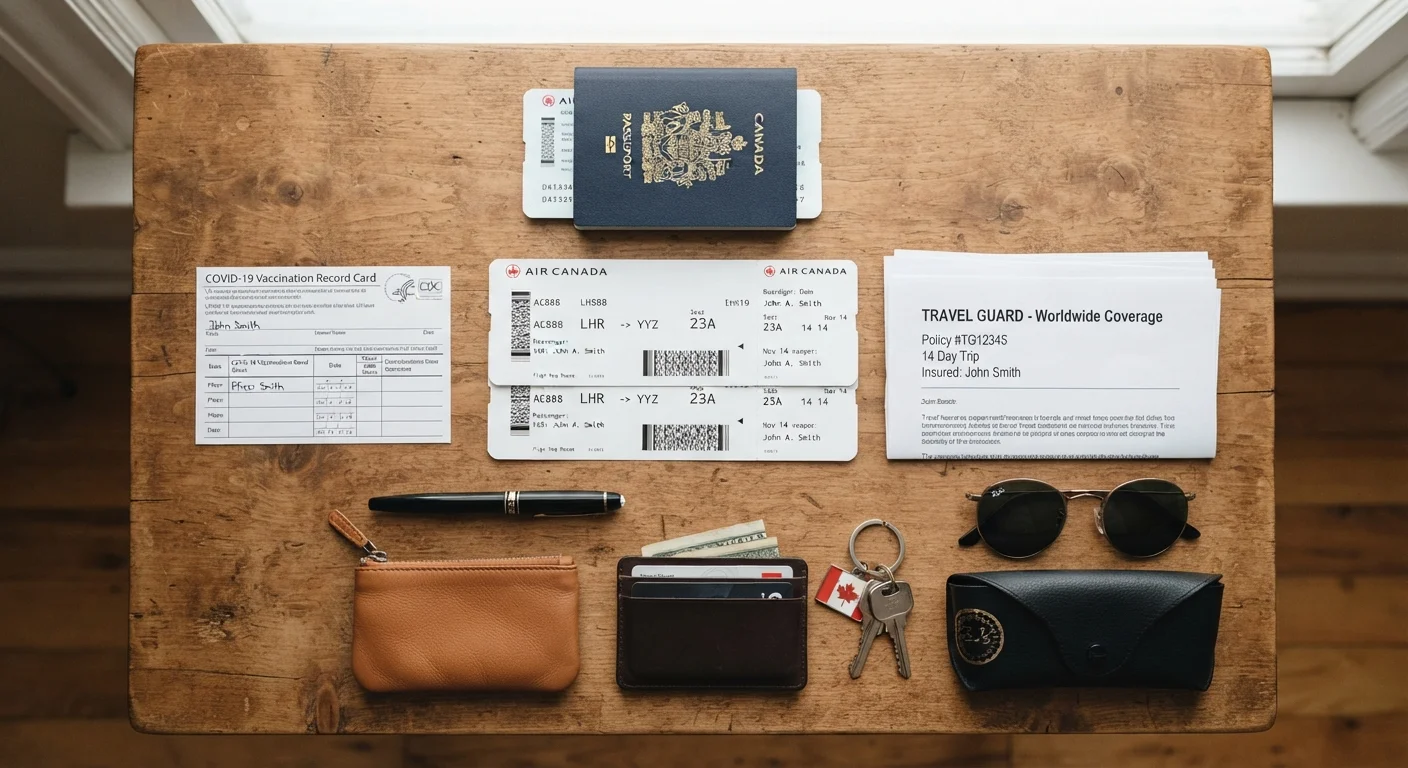
A stolen passport abroad is not a minor inconvenience — it can strand travelers for days while they navigate emergency consular services. The U.S. Department of State advises keeping your passport in a secured location separate from your cash and cards whenever possible. Always carry a digital or physical photocopy stored separately from the original.
Building Awareness That Actually Works
Effective theft prevention is not about paranoia — it is about calibrated attention. The goal is to move through environments in a way that requires an opportunistic thief to invest significantly more effort than the potential payoff justifies. Most theft is opportunistic; remove the opportunity and you remove most of the risk.
Start with your physical setup before leaving your accommodation. Identify what you genuinely need for the day and leave the rest secured. Carry a single card for daily spending and keep emergency funds and your passport separately secured. This structure means that even a successful theft attempt recovers very little.
Tourist Zones Are Not Inherently Safe
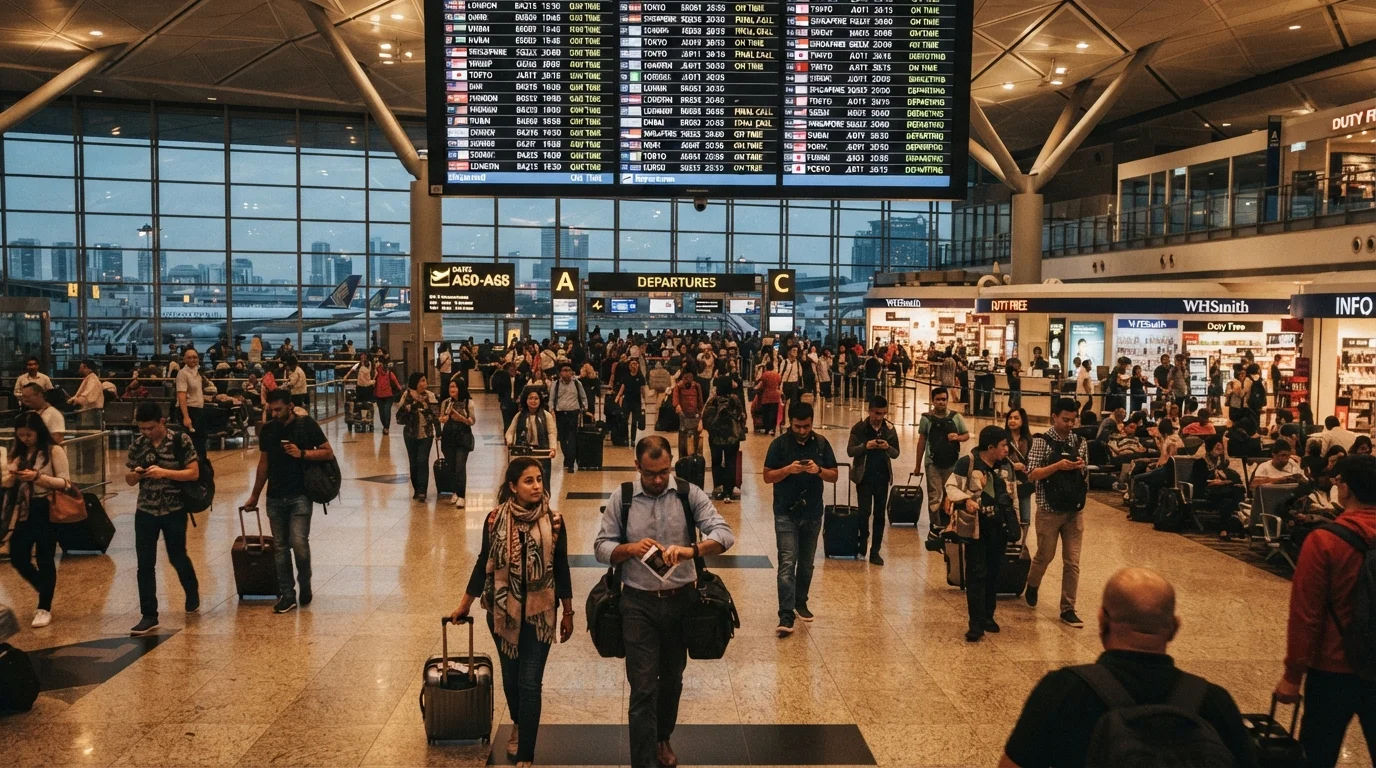
High foot traffic, predictable visitor behavior, and constant distraction make popular tourist sites prime working environments for experienced thieves. The presence of other travelers or police patrols does not significantly reduce your personal risk. Do not lower your guard simply because a location is well-known or feels familiar.
In the field, practice periodic awareness checks — not anxious scanning, but brief deliberate confirmation that your belongings are where you expect them. Crowded entry and exit points, escalators, and any location where you are pushed or jostled warrant particular attention. These are the environments where the most skilled pickpockets work most effectively.
For a grounded starting framework, travel safety fundamentals covers the broader context of risk awareness that underpins these specific habits. And for travelers questioning whether destination-specific concerns are exaggerated, common myths about international travel provides a clear-eyed look at what the evidence actually shows.
No approach eliminates risk entirely. But travelers who understand how theft actually happens — and why their instincts sometimes work against them — are substantially better positioned than those relying on confidence and good fortune alone.