
Why Solo Travel Safety Is a Skill, Not a Personality Trait
One of the most persistent myths about solo travel is that safe travelers are simply naturally bold or streetwise. In practice, experienced solo travelers are safer not because of personality, but because they've developed repeatable habits — researching destinations thoroughly, building itineraries with buffer time, and knowing what to verify before they arrive.
Safety competence accumulates. A first-time solo traveler and a seasoned one face many of the same environments, but the latter has internalized a decision-making framework that operates without anxiety. That framework is entirely learnable. See our complete walkthrough for first-time independent travelers for a structured starting point before departure.
Start with a Safety Habits Checklist
Before any solo trip, write down three non-negotiables: your check-in schedule with a home contact, a backup plan if accommodation falls through, and the address of your country's nearest embassy or consulate. Having these documented removes decision fatigue in the moment when it matters most.
Situational Awareness: Reading Environments Calmly
Situational awareness is frequently misunderstood as constant vigilance or suspicion of everyone around you. It is neither. It is the practiced habit of noticing context — who is in a space, what the social norms are, whether the environment has changed — without catastrophizing.
Practical techniques include: arriving at new locations during daylight when possible, pausing briefly before entering unfamiliar areas to orient yourself, and trusting genuine discomfort over rationalized dismissal of warning signs. Phones are the single greatest obstacle to awareness — looking up from a map app long enough to confirm where you are is a meaningful safety act.
Our companion piece on staying safe in unfamiliar cities without paranoia explores these techniques in full detail, including how to read social environments across different cultural contexts.
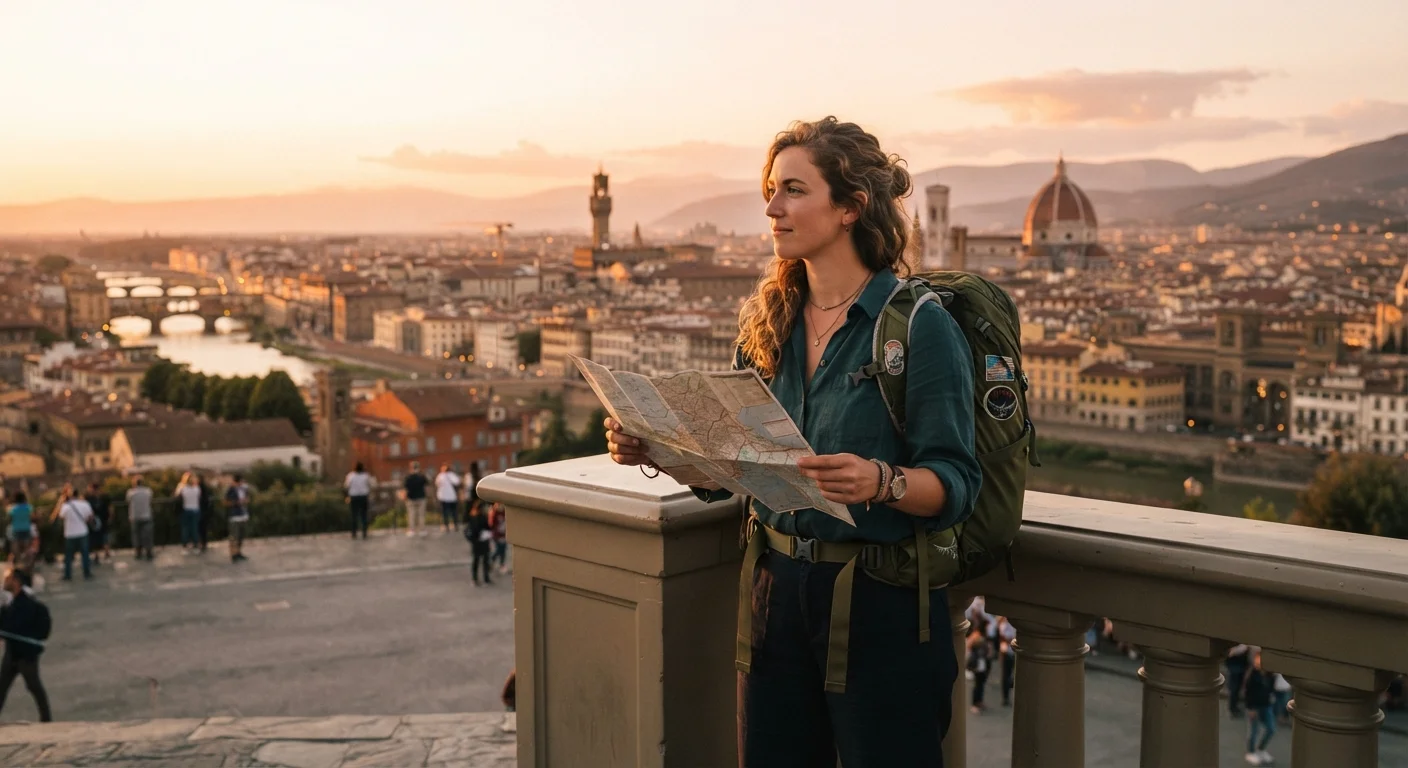
When entering a new neighborhood, spend two to three minutes sitting in a café or public space before moving on. This gives you time to read the environment accurately rather than reacting to surface-level impressions.
Experienced travelers consistently cite this habit as a way to calibrate their comfort level with a new area before committing to further movement — particularly useful when arriving after a long transit.
Keep a photo of your accommodation's business card or address in your phone's camera roll. In a city where you don't speak the language, showing a driver the address image is faster and more reliable than spelling it out phonetically.
Navigation confusion is one of the most common triggers for stressful solo travel moments; eliminating it with a simple preparation step is a low-cost, high-value habit.
Choosing and Verifying Safe Accommodation
Accommodation is one of the highest-leverage safety decisions a solo traveler makes. The most important considerations are not star ratings but structural factors: Is the entrance staffed or secured at night? Does the room lock reliably from the inside? Are fire exits clearly marked and functional? Is the neighborhood walkable safely after dark?
On arrival, a brief walk-through matters. Locate the nearest fire exit, confirm the door and window locks, and store the property's address and phone number in your phone — not just in a booking confirmation email. For detailed arrival checklists, see our guide on accommodation safety checks when you arrive.
Accommodation Booking Platforms Vary in Verification
Review platforms reflect guest experience but do not independently verify structural safety features like fire compliance or room security. Always treat reviews as a starting point and conduct your own verification on arrival. Local accommodation booked directly through a hotel's front desk may offer more accountability than some informal rental options.
Staying Connected and Creating a Safety Net
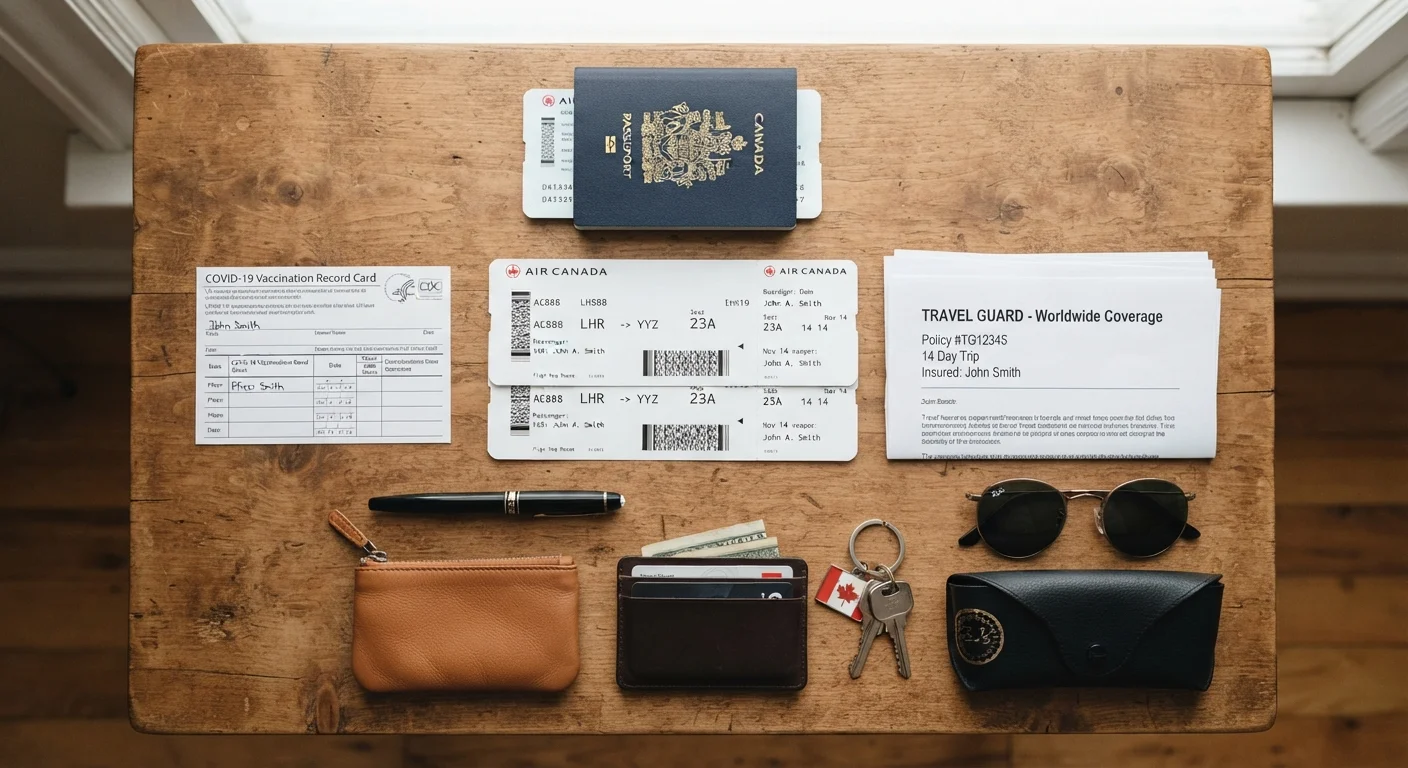
Staying connected is a structural safety measure, not a sign of dependence. Every solo traveler should identify at least one person at home — a friend, family member, or colleague — who knows their rough itinerary, has copies of key documents, and expects a check-in at agreed intervals.
Practical steps: share a live itinerary document before departure, enable location sharing with a trusted contact when moving between cities, and confirm that your phone plan supports international calling or data roaming. A local SIM card or international eSIM can be a worthwhile investment for stays longer than a few days.
Digital security on the road is a parallel concern. Public Wi-Fi at hotels, cafes, and airports carries real risks for data exposure. Our article on digital security while traveling outlines concrete steps — including VPN use and secure password management — that are easy to implement before you leave.
67%
Solo travelers who are first-timers within 5 years
Survey data from travel industry research consistently shows that solo travel has grown substantially, with a large proportion of participants being relatively new to the format.
1 in 3
Travelers who experience a safety incident abroad
According to travel insurance claim data, the majority of incidents involve theft, illness, or transit disruption — not violent crime — underscoring where preparation effort is best focused.
Transportation Decisions and Petty Crime Awareness
Most solo travelers who experience problems abroad encounter petty crime — pickpocketing, bag snatching, scam overcharging — rather than serious violence. Overconfidence about this risk is one of its main enablers. Our article on why travelers underestimate petty crime breaks down the patterns in detail.
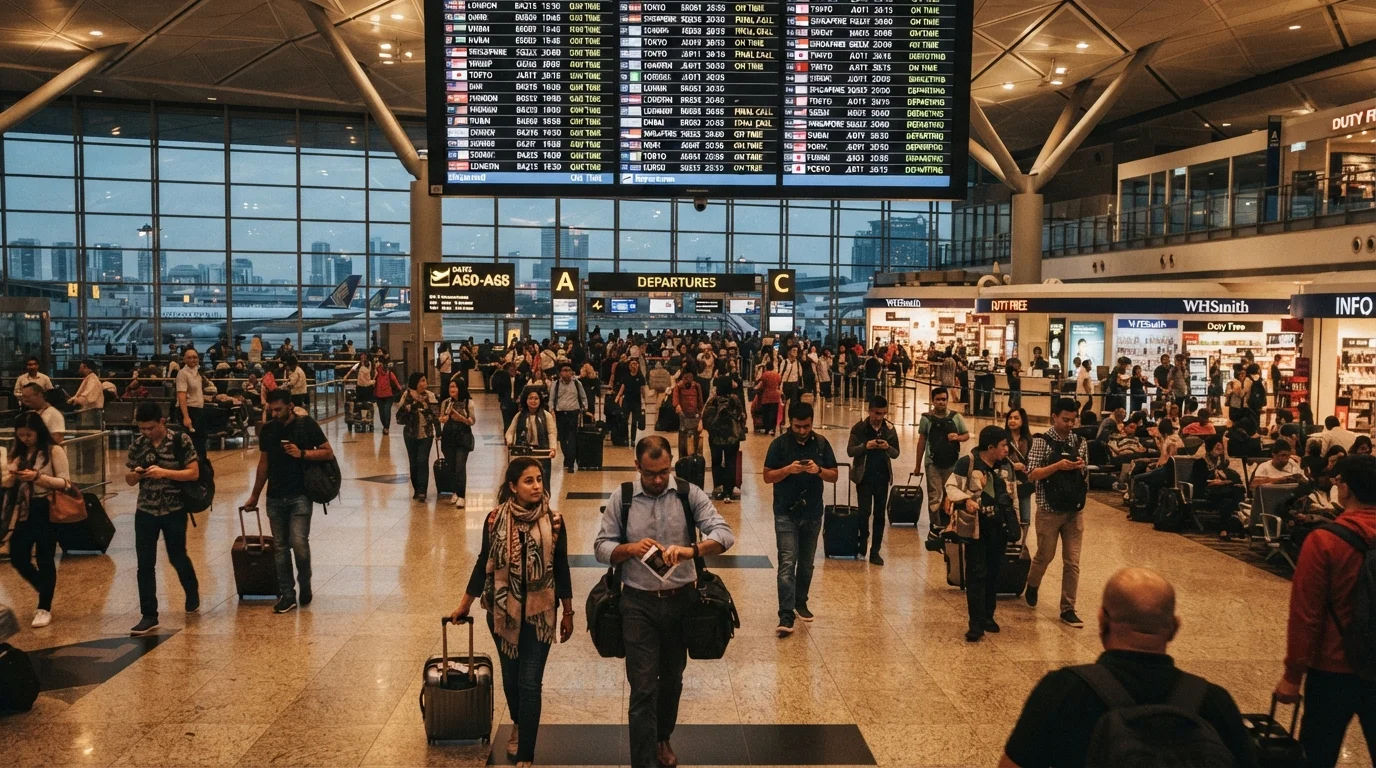
Transportation choices compound this risk or reduce it. Formal, metered, or app-based transit generally offers more predictability than informal options, though context matters significantly. Each mode carries distinct trade-offs covered in our analysis of transportation risks abroad. General principles: confirm pricing before boarding, avoid displaying expensive items in transit, and prefer transportation arranged through accommodation staff in unfamiliar cities.
Avoid Announcing Your Solo Status Publicly
Telling strangers at transport hubs, markets, or casual social settings that you are traveling alone can increase unwanted attention or mark you as a target for opportunistic crime. It is reasonable to be vague about your travel companions in unfamiliar settings. This is not paranoia — it is a widely recommended baseline from travel safety professionals.
Building Confidence Over Time
Solo travel confidence is cumulative and non-linear. It is entirely reasonable to start with destinations that have reliable infrastructure, English-language signage, and accessible emergency services, and to expand from there as familiarity grows. This is not timidity — it is sensible skill sequencing.
A well-built travel itinerary reinforces confidence in practice: when you know your accommodation, transit options, and a rough daily structure in advance, you have mental bandwidth to respond to the unexpected calmly rather than reactively. For destinations with elevated complexity or active advisories, our article on the realities of high-risk destination travel provides a grounded assessment of what that preparation genuinely requires.
Solo travel remains one of the most rewarding forms of personal development available to a traveler — when approached with preparation, honest self-assessment, and the right habits in place.
“The goal of travel safety education is not to make people afraid to go — it's to give them enough preparation that fear doesn't have to do the decision-making for them.”
— Kristin Addis, Solo female travel writer and author of 'Be My Travel Muse'