
Who Actually Travels to High-Risk Destinations — and Why
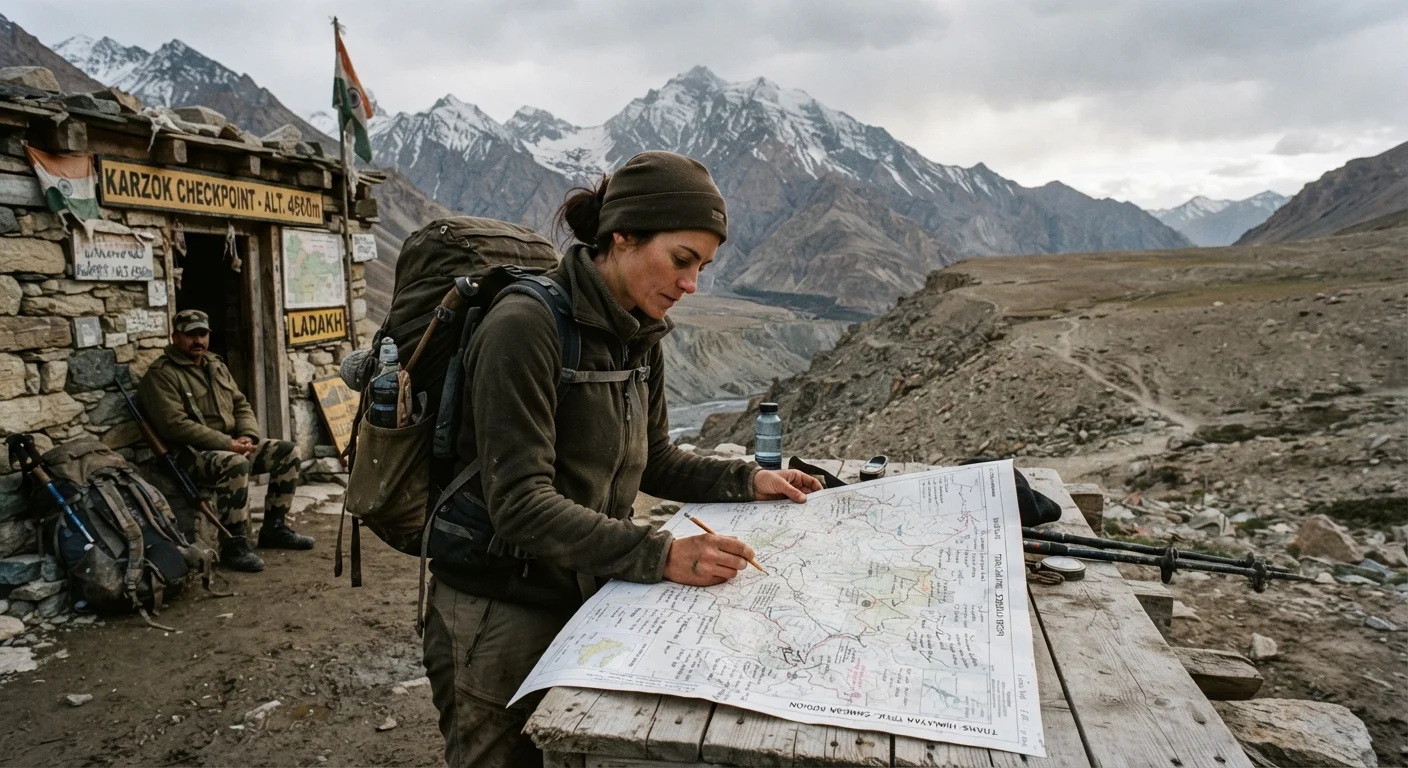
The phrase "high-risk destination" covers a wide spectrum: a country under a U.S. State Department Level 3 (Reconsider Travel) advisory due to elevated crime, a Level 4 (Do Not Travel) zone affected by active conflict, or a region where natural disaster has destabilized infrastructure. The travelers who visit these places are rarely thrill-seekers acting on impulse.
Journalists covering conflict zones, humanitarian aid workers, missionaries, researchers, and people traveling to see critically ill relatives represent the bulk of high-advisory travel. For them, the question is not whether to go but how to go as safely as possible. Understanding the genuine trade-offs — rather than treating all such travel as reckless or all advisories as overcautious — is a prerequisite to making an informed decision.
For context on how travel advisories are often misread, see common misconceptions about travel advisories examined against the evidence.
Access to stories and realities unavailable elsewhere
Journalists, documentarians, and researchers often can only gather primary evidence by being present in conflict zones or restricted regions. This access produces reporting and scholarship that informs global understanding.
Fulfilling unavoidable personal or professional obligations
Aid workers, diplomats, family members of residents, and certain business travelers may have non-negotiable reasons to visit high-advisory destinations. For them, the trip is not a choice between risk and safety, but between going prepared and going unprepared.
Deepened cultural and humanitarian connection
Some regions carry Level 3 advisories due to targeted political or crime risks that do not uniformly affect all visitors. Travelers with strong local networks and cultural fluency sometimes navigate these environments with a degree of context that broad advisories cannot fully capture.
Supporting local economies in neglected regions
In certain high-advisory areas where tourism has collapsed due to instability, the presence of responsible visitors can provide meaningful economic support to communities with limited alternatives.
The Real Disadvantages: What High-Advisory Travel Actually Costs
The risks in high-advisory destinations are not abstract. They reflect documented patterns — kidnapping corridors, improvised explosive device routes, disease prevalence, and legal systems that offer foreign nationals little recourse. Several structural disadvantages compound personal danger.
Substantially elevated physical danger
High-advisory designations reflect documented patterns of violence, crime, kidnapping, or conflict — not hypothetical risks. The probability of a serious incident is meaningfully higher than in stable destinations, and the consequences can be severe or fatal.
Travel insurance often excludes high-advisory regions
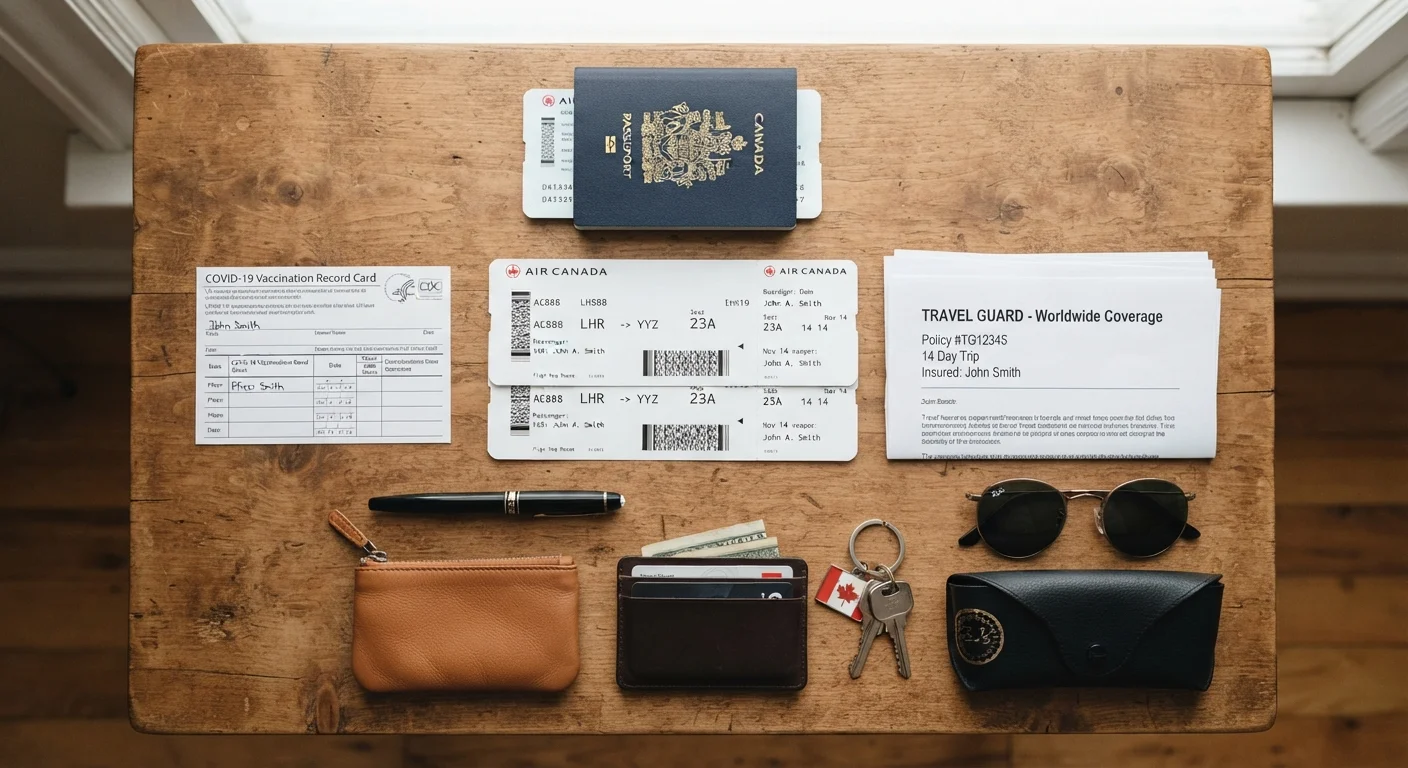
Many standard and comprehensive travel insurance policies contain explicit exclusions for Level 3 and Level 4 advisory countries. Travelers who experience medical emergencies, evacuations, or theft in these zones may find themselves without coverage and facing enormous out-of-pocket costs.
Reduced or absent consular assistance
U.S. Embassy operations are suspended or severely limited in some high-risk countries. The consular services that travelers in stable destinations rely on — emergency passport replacement, arrest notifications, welfare checks — may simply not be available.
Conditions can deteriorate rapidly and unpredictably
Political situations, security environments, and infrastructure in high-risk regions can change faster than advisories are updated. A plan built around conditions at the time of booking may be obsolete by departure date.
Legal systems may offer foreign nationals little protection
In some high-advisory countries, rule of law is weak, corruption is systemic, or local authorities are themselves a source of risk. Foreign travelers who are detained, robbed, or harmed may have limited legal recourse and no reliable enforcement mechanism.
Health infrastructure is frequently inadequate
Conflict-affected and politically unstable regions often have severely degraded medical systems. Access to emergency care, blood supplies, surgical facilities, or evacuation transport may be unreliable or absent in a crisis.
Insurance is among the most consequential limitations. Standard travel insurance policies — and many comprehensive ones — explicitly exclude incidents occurring in countries under Level 3 or Level 4 advisories. Travelers should read policy documents carefully and consult an insurance professional rather than assuming coverage applies. Similarly, U.S. Embassy services are curtailed or suspended in some high-risk areas, meaning the consular assistance most travelers take for granted may not be available.
Transportation compounds exposure. Formal and informal transit options carry different risk profiles everywhere, but in high-advisory regions those differences are amplified — and formal options may not exist at all.
Preparation That Actually Matters in High-Risk Contexts
Preparation for high-advisory travel is categorically different from standard international trip planning. The gap between "good traveler habits" and what high-risk environments demand is significant.
4 Levels
U.S. State Department travel advisory tiers
The State Department uses a four-level advisory system — Exercise Normal Precautions, Exercise Increased Caution, Reconsider Travel, and Do Not Travel — each reflecting assessed risk based on crime, terrorism, civil unrest, and health factors.
~50+
Countries under Level 3 or Level 4 advisories
At any given time, the State Department typically designates several dozen countries at Level 3 (Reconsider Travel) or Level 4 (Do Not Travel), spanning every region of the world.
Key steps include enrolling in the State Department's Smart Traveler Enrollment Program (STEP), which registers your itinerary with the nearest U.S. Embassy and allows the government to contact you in emergencies. Comprehensive travel health preparation — including region-specific vaccinations and prescription planning — should be discussed with a qualified healthcare provider well before departure. A detailed contingency plan, including evacuation routes, emergency contacts, and a communication schedule with someone outside the country, is not optional in high-risk regions.
Practical trip planning frameworks can provide structure, but travelers to high-advisory destinations should supplement general guidance with country-specific security briefings from credible sources, including government advisories, established NGO security networks, and professional risk consultants where warranted.
STEP Enrollment Is Free and Takes Minutes
The Smart Traveler Enrollment Program (STEP) is a free service from the U.S. Department of State that registers your trip with the nearest U.S. Embassy or Consulate. In an emergency — natural disaster, civil unrest, or a personal crisis — enrollment makes it possible for the Embassy to locate and contact you. It also allows your emergency contacts in the U.S. to reach you through official channels. For high-advisory travel, enrollment is not a formality; it is one of the few practical safety nets that remains available regardless of insurance or consular service limitations.
Honestly Assessing Whether the Trip Is Right for You
Personal risk tolerance is not a fixed trait, and it should be evaluated honestly rather than assumed. Factors that matter include your experience traveling in challenging environments, your physical and mental health, whether you will be traveling with others, and the specific sub-regions you plan to visit within a broadly designated high-risk country.
Risk tolerance involves both psychological and practical dimensions — and in a travel safety context, overestimating your own threshold is a recognized hazard. Solo travelers face additional considerations; building genuine situational awareness differs from simply feeling confident.
If your reason for visiting a high-advisory destination is primarily curiosity or the appeal of an "off the beaten path" experience, that calculus deserves scrutiny. The risks are real, the mitigations are limited, and the consequences of things going wrong in a high-advisory country are substantially harder to resolve than in a stable one. That is not a reason to stigmatize those with legitimate purposes — it is a reason to be honest about your own.
This article is for general informational purposes only. Travel conditions, advisory levels, and safety situations change. Always verify current advisories directly with the U.S. Department of State and consult qualified professionals — including security, health, and insurance experts — before traveling to any high-risk destination.