
Why Transportation Risk Deserves Careful Attention
Road traffic injuries are among the leading causes of death for travelers abroad, according to the U.S. Centers for Disease Control and Prevention. Yet most pre-trip planning focuses on pickpocketing or political instability — not the vehicle you step into each day. Understanding the risk profile of each transit mode is a practical safety skill, not an exercise in anxiety.
Transportation risk abroad is shaped by multiple overlapping factors: local road conditions, driver licensing standards, vehicle maintenance norms, fare regulation, and the legal framework for accountability when something goes wrong. For a broader foundation on assessing these kinds of hazards before you go, see our travel safety fundamentals guide.
| Licensed Taxi | Rideshare App | Motorbike Taxi | Shared Minibus | Tuk-Tuk / Auto-Rickshaw | |
|---|---|---|---|---|---|
| Fare transparency | Metered or fixed zone | In-app pre-calculated | Negotiated upfront | Fixed route, low fare | Negotiated, often tourist-priced |
| Driver accountability | Licensed, often regulated | App-vetted, GPS tracked | Minimal to none | Variable by country | Minimal to none |
| Accident insurance likelihood | Usually required by law | Varies by platform/country | Rarely present | Inconsistent | Rarely present |
| Scam / overcharge risk | Moderate (meter tampering) | Low with in-app fare lock | Moderate to high | Low on fixed routes | High for first-time visitors |
| Coverage in remote areas | Limited | Limited | Widely available | Variable | Urban-focused |
| Overall safety baseline | Relatively high | Relatively high | Lower | Moderate | Lower to moderate |
Formal Options: Licensed Taxis and Rideshare Apps
Licensed taxis and app-based rideshares like those operating under national regulatory frameworks offer the clearest accountability structure. Drivers are typically vetted, vehicles inspected, and fares either metered or pre-calculated. If something goes wrong, there is a record of the trip and a mechanism for complaint or legal recourse.
That said, formal doesn't mean risk-free. Taxi scams — including meter tampering, deliberate route lengthening, or collusion with touts at airports — are documented in many destinations. Rideshare apps reduce some of these risks through GPS tracking and in-app fare locks, but app functionality varies significantly by country, and some regions have poor enforcement of driver standards even within regulated platforms.
Verify Before You Board
When using a rideshare app, always confirm the driver's name, photo, and license plate before getting in — don't rely on the driver asking your name. For taxis, ask your hotel or a trusted local to recommend a dispatcher rather than hailing from the street, particularly at airports and tourist hubs. Taking a screenshot of your route and sharing it with someone you trust takes under 30 seconds and adds meaningful accountability.
Travelers heading to complex or high-advisory destinations should also review what to realistically expect in high-risk regions before relying on any single transit assumption.
Informal Options: Motorbike Taxis, Shared Minibuses, and Tuk-Tuks
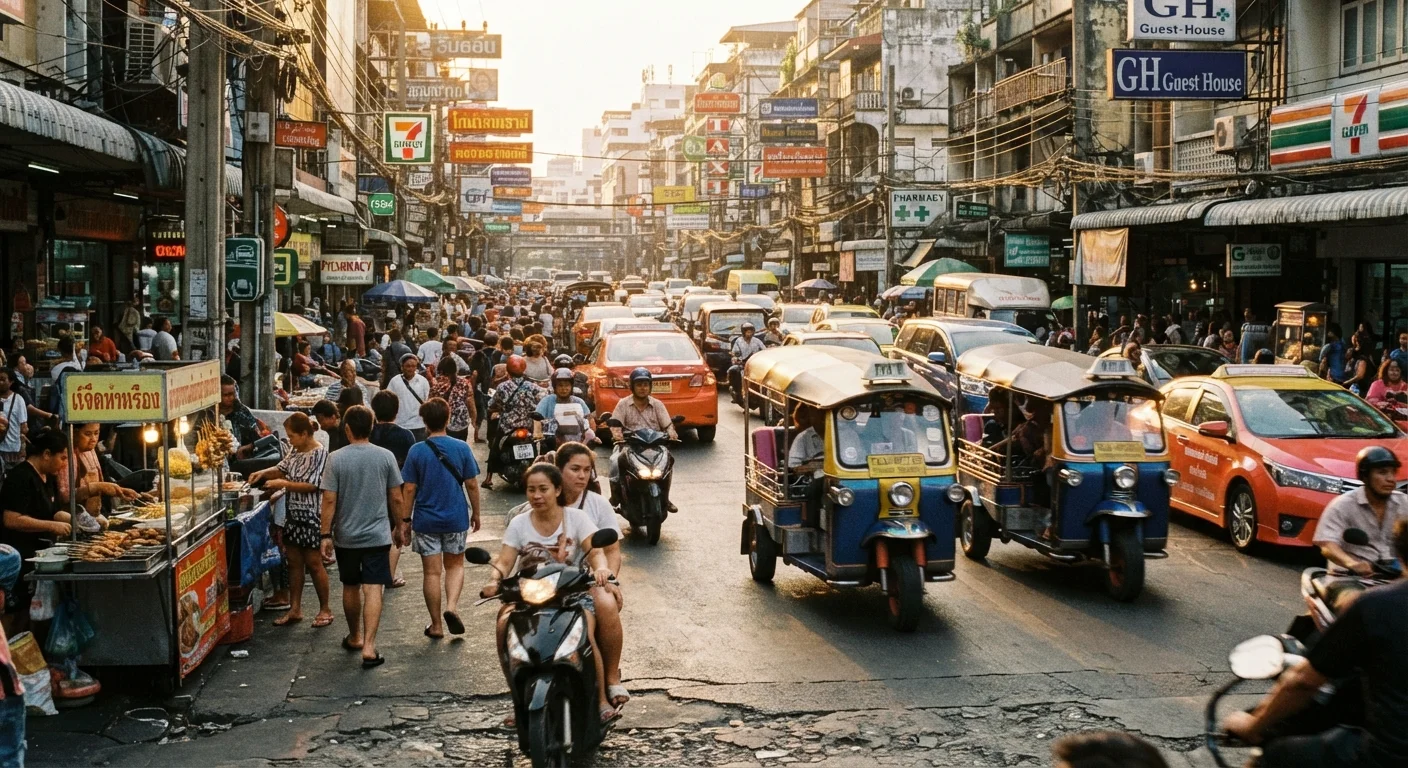
Informal transit covers a wide spectrum — from motorbike taxis (called ojek in Indonesia, boda boda in East Africa) to shared minibuses (matatus, marshrutkas, songthaews) and three-wheeled tuk-tuks. These options are often faster in congested cities, serve routes formal transit doesn't reach, and are deeply embedded in local daily life.
The risk profile is notably different. Helmets may not be provided or required. Drivers may not hold commercial licenses. Vehicle maintenance is frequently informal. Fare disputes are common without agreed prices upfront. And in the event of an accident, insurance coverage — for the driver or the passenger — may be absent entirely.
Check Your Travel Insurance Before Riding
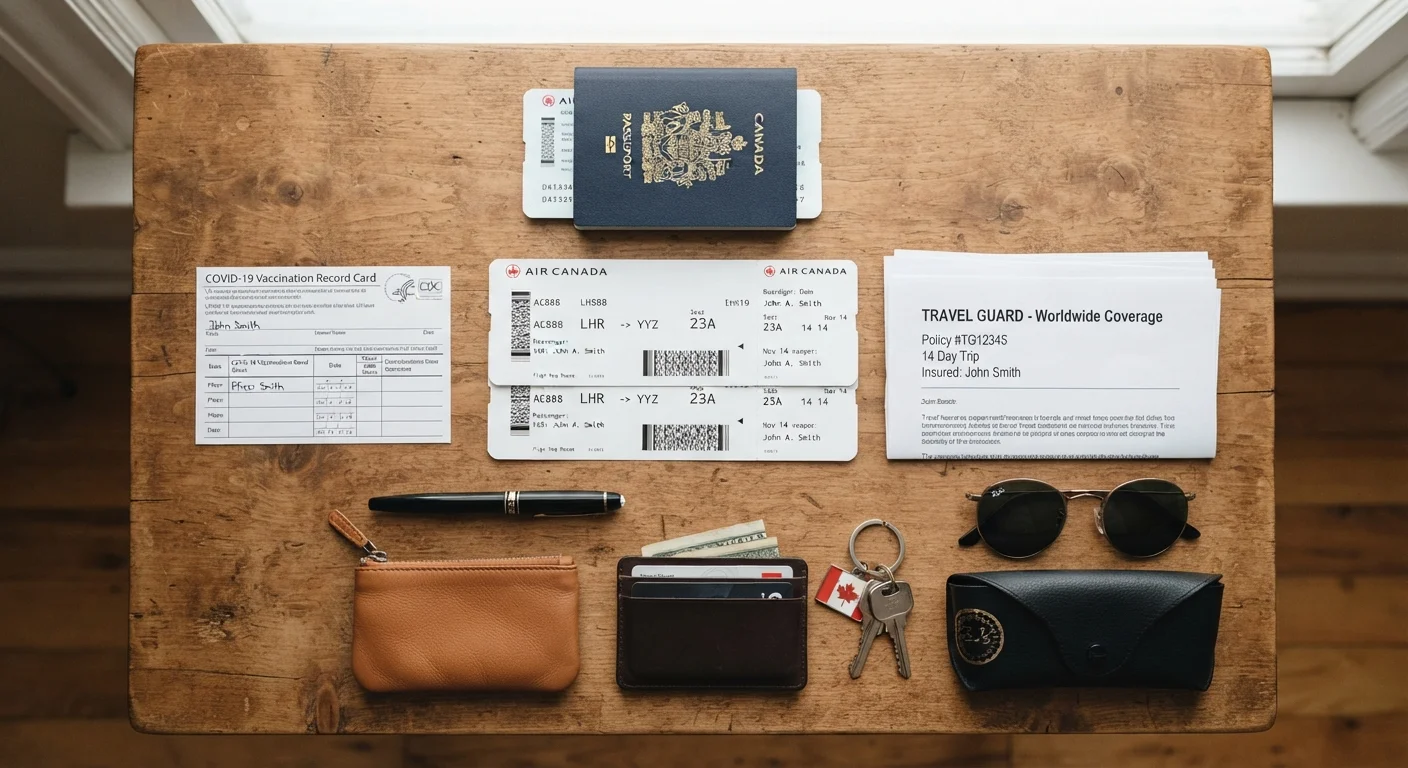
Many standard travel insurance policies exclude motorbike-related incidents unless you hold a valid motorcycle license or the policy has a specific rider endorsement. Before you travel, read the exclusions section of your policy carefully and contact your insurer if motorbike transit is likely. Assuming you're covered when you're not can have serious financial consequences in the event of an accident requiring hospital care or medical evacuation.
None of this means informal transit should be categorically avoided. In many destinations it is the practical norm, and local knowledge matters enormously. Consulting destination-specific forums, hotel staff, or vetted guidebooks for current ground conditions helps calibrate the real risk. Misconceptions about which options are categorically safe or unsafe are addressed in our piece on common travel safety myths.
Practical Habits That Apply Across All Transit Modes
Regardless of which option you choose, several practices meaningfully reduce risk. Share your intended route and estimated arrival time with a trusted contact — a habit that applies whether you're in a licensed cab or a shared minibus. Screenshot or note the driver's name, vehicle plate, and the rideshare trip code before you move.
Carry local emergency numbers (not just your home country's), know the location of the nearest hospital along your route in higher-risk areas, and ensure your travel insurance explicitly covers emergency medical evacuation. Many standard policies exclude motorbike incidents unless specifically flagged — review your policy carefully. For broader insurance considerations, our insurance guidance hub outlines what to look for in travel coverage.
Solo travelers face heightened considerations around transportation choices. Our solo travel safety guide covers situational awareness strategies that are directly applicable to choosing and using transit abroad.
This article provides general travel safety information for educational purposes. Conditions vary significantly by destination and change over time. Always verify current transit safety conditions through official government travel advisories and local sources before you travel.