

Why Travel Safety Is a Skill, Not Just a Checklist
Most travelers approach safety as a finite task: pack the first-aid kit, buy travel insurance, done. In practice, safety is a dynamic skill — one that depends on observation, judgment, and the ability to adapt when circumstances shift. A checklist gets you started, but it can't replace the habit of staying engaged with your environment.
This distinction matters because no two trips are identical. A beach resort in one country and a homestay in another require different awareness. Recognizing that travel safety is situational — not universal — is the first step toward genuinely informed preparation. For travelers questioning assumptions about where risk actually lives, common myths about staying safe abroad provides a useful reality check.
Travel advisory
An official government assessment of conditions in a destination country, rating risk level for travelers. In the US, these are issued by the Department of State.
Situational awareness
The habit of actively observing your surroundings and recognizing anything that seems unusual or potentially dangerous — without becoming hypervigilant or fearful.
STEP enrollment
The Smart Traveler Enrollment Program, a free US government service that registers Americans traveling abroad with the nearest embassy, enabling emergency contact and alert delivery.
Travel insurance
A policy that can cover financial losses from trip cancellations, medical emergencies, evacuation, and lost belongings while traveling. Coverage terms vary significantly between policies.
Medical evacuation
Organized transport of a traveler from a location where adequate medical care is unavailable to a facility equipped to treat their condition — often coordinated by travel insurance providers.
Understanding Risk Before You Leave Home
Effective preparation begins with an honest assessment of where you're going and what conditions you may encounter. The US Department of State's travel advisory system — available at travel.state.gov — rates destinations across four levels and provides specific context about crime, civil unrest, health conditions, and entry requirements. These advisories are not guarantees, but they are the most authoritative publicly available baseline for US travelers.
Beyond advisories, consult the Centers for Disease Control and Prevention (CDC) for destination-specific health risks. If your destination involves higher-complexity risk factors, traveling to high-risk destinations examines the genuine trade-offs involved. Pair your research with a review of local laws, customs, and entry documentation well ahead of departure — surprises at borders are rarely minor inconveniences.
Advisories Reflect Conditions, Not Guarantees
A Level 1 advisory does not mean a destination is risk-free, and a Level 3 advisory does not mean a trip is impossible. Conditions vary within countries, and advisories represent broad assessments. Use them as one input among several, not as a final verdict on your plans.
Essential Pre-Trip Safety Preparations
The preparation phase covers several distinct categories that are easy to underestimate until they become urgent:
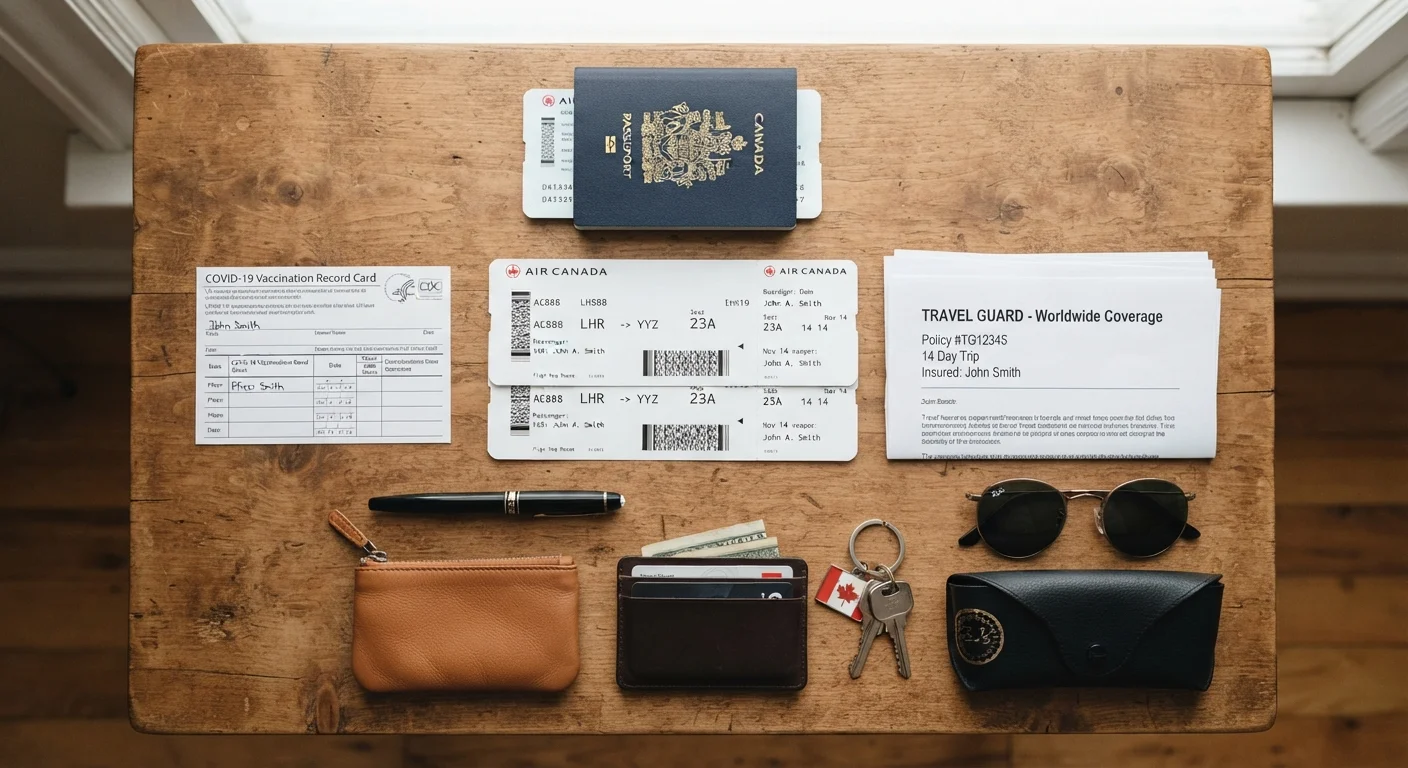
- Documentation: Carry your passport, visa documentation, and travel insurance policy details. Store physical copies separate from originals, and keep digital copies in a secure, accessible location.
- Health preparation: Visit a travel clinic or your healthcare provider well before departure — ideally six to eight weeks ahead for international trips requiring vaccinations. Travel health preparation varies significantly by destination and personal health history.
- Financial resilience: Notify your bank of travel dates, carry a backup payment method, and understand what your health and travel insurance actually covers. General concepts around financial reserves — relevant if an emergency cuts a trip short — are explored in our overview of emergency fund fundamentals.
- Registration: Enroll in the State Department's Smart Traveler Enrollment Program (STEP) for international trips. This free service allows the embassy to contact you during emergencies.
Share Your Itinerary Before You Go
Leave a detailed copy of your itinerary — accommodation addresses, flight numbers, and a rough daily schedule — with a trusted contact at home. If communication breaks down, this gives someone the context to act on your behalf. Update them when plans change significantly.
Staying Alert and Adapting While Traveling
Situational awareness — the practice of knowing what is happening around you and identifying anything that seems out of place — is the single most transferable safety skill. It doesn't require anxiety; it requires attention. Keep phone use minimal in busy public spaces, note exits when entering unfamiliar venues, and trust observable cues over assumptions about a neighborhood's reputation.
Petty theft and opportunistic scams account for the majority of incidents affecting tourists worldwide. Common scenarios include distraction techniques in crowded transport hubs and unsolicited assistance with luggage or navigation. Staying oriented, keeping valuables secured, and verifying the legitimacy of services before accepting them reduces exposure considerably. For those traveling without companions, solo travel safety habits addresses the specific dynamics of traveling alone.
Emergency Preparedness: When Things Go Wrong
Even thorough preparation cannot eliminate the possibility of an emergency. What preparation does is dramatically improve response time and outcomes. Before departure, record the local emergency number for your destination (not all countries use 911), the address and phone number of the nearest US embassy or consulate, and your travel insurance provider's 24-hour assistance line.
If a medical emergency occurs abroad, contact your insurance provider's emergency line immediately — they can coordinate care and, if necessary, medical evacuation. For legal or safety crises, the US embassy can provide a list of local attorneys and, in serious cases, facilitate communication with family. For a structured reference to the support systems available in a crisis, see emergency contacts and crisis resources. Comprehensive trip planning well before departure remains the most effective form of emergency preparedness.
US Department of State Travel Advisories
The official source for country-specific travel advisories, entry requirements, and emergency contact information for US citizens abroad. Available at travel.state.gov.
CDC Travelers' Health Portal
Destination-specific health information from the Centers for Disease Control and Prevention, including vaccination recommendations and disease outbreak notices relevant to international travelers.
Smart Traveler Enrollment Program (STEP)
A free State Department service that registers US travelers with embassies and consulates abroad, enabling emergency alerts and facilitating contact if a crisis occurs.
This article is for general informational purposes only. Always verify entry requirements, health recommendations, and travel advisories with official government sources before traveling. For health-related travel decisions, consult a qualified healthcare professional.