

Your First Line of Contact: The U.S. Embassy and Consulate Network
When something goes seriously wrong abroad — a lost passport, a medical emergency, an arrest, or a natural disaster — the U.S. Embassy or nearest Consulate is the official starting point for American citizens seeking government assistance. Every country where the U.S. maintains diplomatic relations has at least one Embassy or Consulate General, and many larger countries have several consular posts in regional cities.
The single most useful action a U.S. traveler can take before departure is enrolling in the Smart Traveler Enrollment Program (STEP) at step.state.gov. Registration allows the nearest Embassy to locate you during an emergency, relay security warnings, and reach your emergency contacts back home if necessary. It costs nothing and takes only a few minutes.
Embassy Services Have Real Limits
U.S. embassies and consulates cannot pay your medical bills, post bail, or act as your travel agent. They also cannot intervene in foreign legal proceedings on your behalf. Understanding these boundaries before a crisis helps set realistic expectations and highlights why personal preparation — insurance, copies of documents, registered travel plans — is indispensable.
If you need to reach a U.S. Embassy after hours for a genuine emergency, the State Department maintains a 24-hour line at +1-202-501-4444. For non-emergency consular services, contact information for every U.S. diplomatic post worldwide is listed on the State Department's country pages. Before traveling, note the address and phone number of the nearest U.S. Embassy or Consulate at your destination and store it offline — not just in a cloud app that requires internet access.
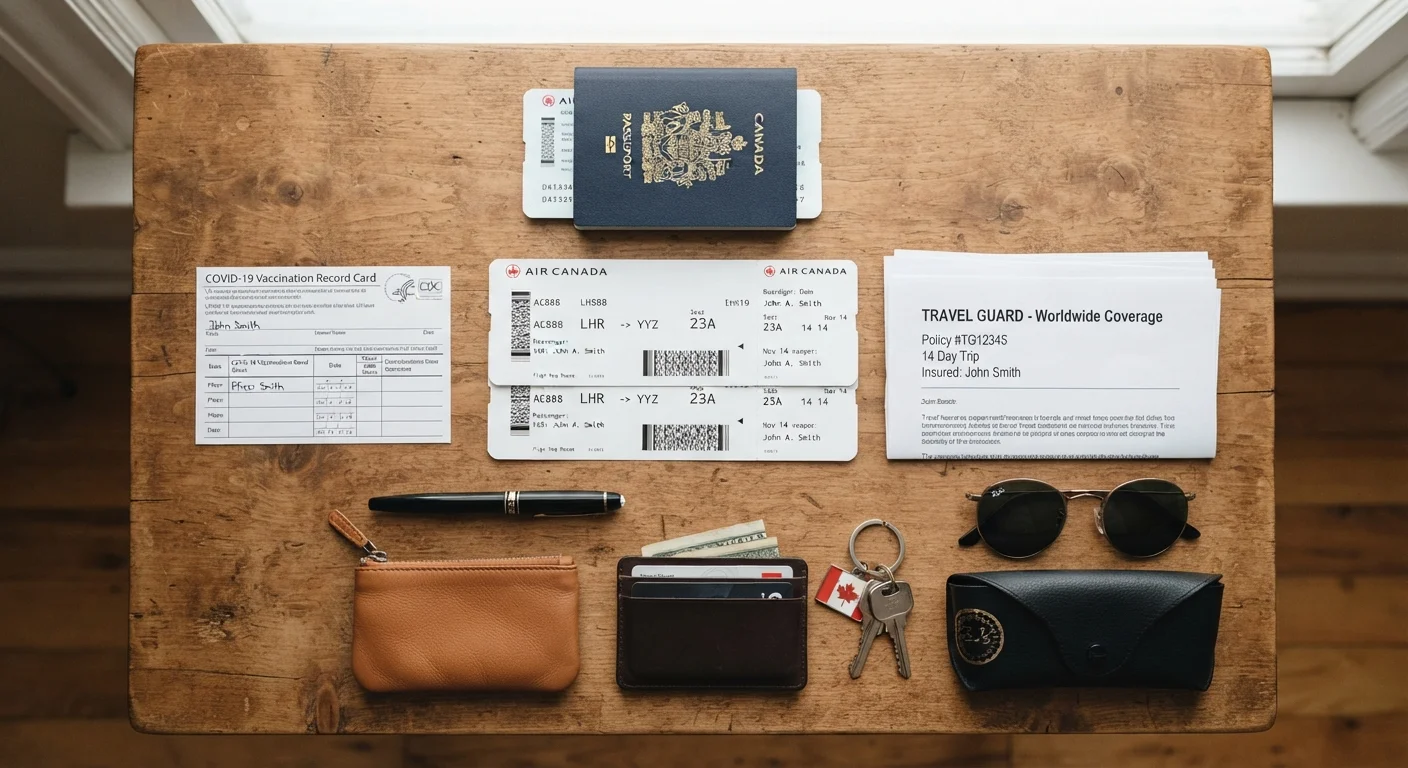
See our guide to organizing travel documents for advice on what to copy, store digitally, and keep on your person — including consular contact details.
Local Emergency Numbers and Crisis Services by Region
Dialing 911 will not work in most countries. Every traveler should look up the local emergency numbers for their destination before arrival, because these vary by country and sometimes by the type of emergency.
| U.S. Citizens Abroad Emergency Line | +1-202-501-4444 (24/7) (U.S. Department of State) |
| Smart Traveler Enrollment Program (STEP) | Free registration at step.state.gov (U.S. Department of State) |
| International SOS Emergency Number | Varies by membership plan; listed on membership card (International SOS) |
| European Emergency Number | 112 (works across EU member states) (European Commission) |
| Interpol Lost/Stolen Travel Document Database | Accessible to law enforcement in 196 countries (Interpol) |
| CDC Traveler Health Information Line | 1-800-CDC-INFO (1-800-232-4636) (U.S. Centers for Disease Control and Prevention) |
A few widely used regional numbers worth knowing in advance:
- European Union: 112 reaches police, fire, and medical services across all EU member states and many neighboring countries.
- United Kingdom: 999 for emergencies; 101 for non-urgent police matters.
- Australia: 000 for all emergency services.
- Japan: 110 for police; 119 for fire and ambulance.
- Mexico: 911 (harmonized nationally since 2017).
- India: 112 (national emergency number, though local numbers still exist).
The U.S. Department of State's country-specific information pages list verified local emergency numbers for most destinations. Always confirm these before travel, as they can change. The pre-trip safety checklist is a practical starting point for building your destination-specific emergency reference sheet.
For travelers going to higher-risk regions, the realities of traveling to high-advisory destinations covers the additional preparation steps and limitations travelers should understand well in advance.
Medical Emergencies Abroad: Who to Call and What to Expect
A medical crisis overseas is one of the most logistically complex situations a traveler can face. Local emergency services are the immediate first call for acute care, but several other resources become relevant quickly depending on severity.
Travel insurance with medical evacuation coverage is among the most important preparations a traveler can make. If you have a policy, your insurer's 24-hour emergency assistance line should be one of the first numbers you call after securing immediate care — they can coordinate with local providers, arrange transfers, and handle pre-authorization requirements. Keep the assistance number on a physical card, not only in your phone.
For travelers with employer-sponsored international assistance memberships (such as those offered through corporate travel programs), the membership card itself typically lists emergency contact numbers by region. The CDC Travelers' Health information line (1-800-CDC-INFO) provides general guidance on health conditions at destinations but is not an emergency dispatch service.
U.S. Embassies maintain lists of local medical providers — hospitals, clinics, and physicians — that are familiar with treating foreign nationals, though they do not officially endorse any provider. Requesting this list is a reasonable step if you need to identify a hospital and don't know where to start. For health considerations worth addressing well before your trip, see health precautions before international travel.
This article provides general travel safety information and is not a substitute for professional medical, legal, or insurance advice. Always verify emergency contacts and entry requirements with official government sources before travel, as conditions can change.