
Why Health Prep Often Gets Left Until It's Too Late
Most travelers invest significant time researching flights, hotels, and itineraries — yet health preparation frequently gets compressed into the final few days before departure. That timing problem has real consequences. Some vaccines require multiple doses spread over weeks. Prescription antimalarials must be started before you enter a risk zone. And travel clinics in major metro areas book up quickly during peak travel seasons.
This checklist addresses what experienced travelers and travel medicine specialists consistently flag as overlooked — not the obvious reminders, but the gaps that lead to preventable illness, disrupted trips, or inadequate care abroad. For a broader look at what pre-travel health preparation actually involves from a clinical standpoint, see what travel health prep actually involves for international trips.
Work through the groups below systematically. Many items can be addressed in parallel, but the timeline items — especially clinic visits and vaccine schedules — have hard lead-time requirements that cannot be compressed.
Health Prep Has Firm Timing Constraints
Unlike most trip planning tasks, health preparation cannot be fully compressed into the days before departure. Certain vaccine series (such as hepatitis B or rabies pre-exposure prophylaxis) require doses spaced weeks apart. Antimalarial medications must be started before you enter a risk zone — sometimes up to two weeks in advance. Build your health preparation timeline around these constraints first, then layer in everything else.
Tools and Resources You'll Need
Before working through the checklist, gather access to the following resources. Some are free government tools; others involve scheduling or costs that vary by provider and insurance plan.
CDC Travelers' Health Website (wwwnc.cdc.gov/travel)
Look up destination-specific health notices, recommended vaccines, and disease outbreak alerts before your clinic appointment.
US State Department Travel Advisories (travel.state.gov)
Review the current advisory level for each country on your itinerary and access entry requirement summaries.
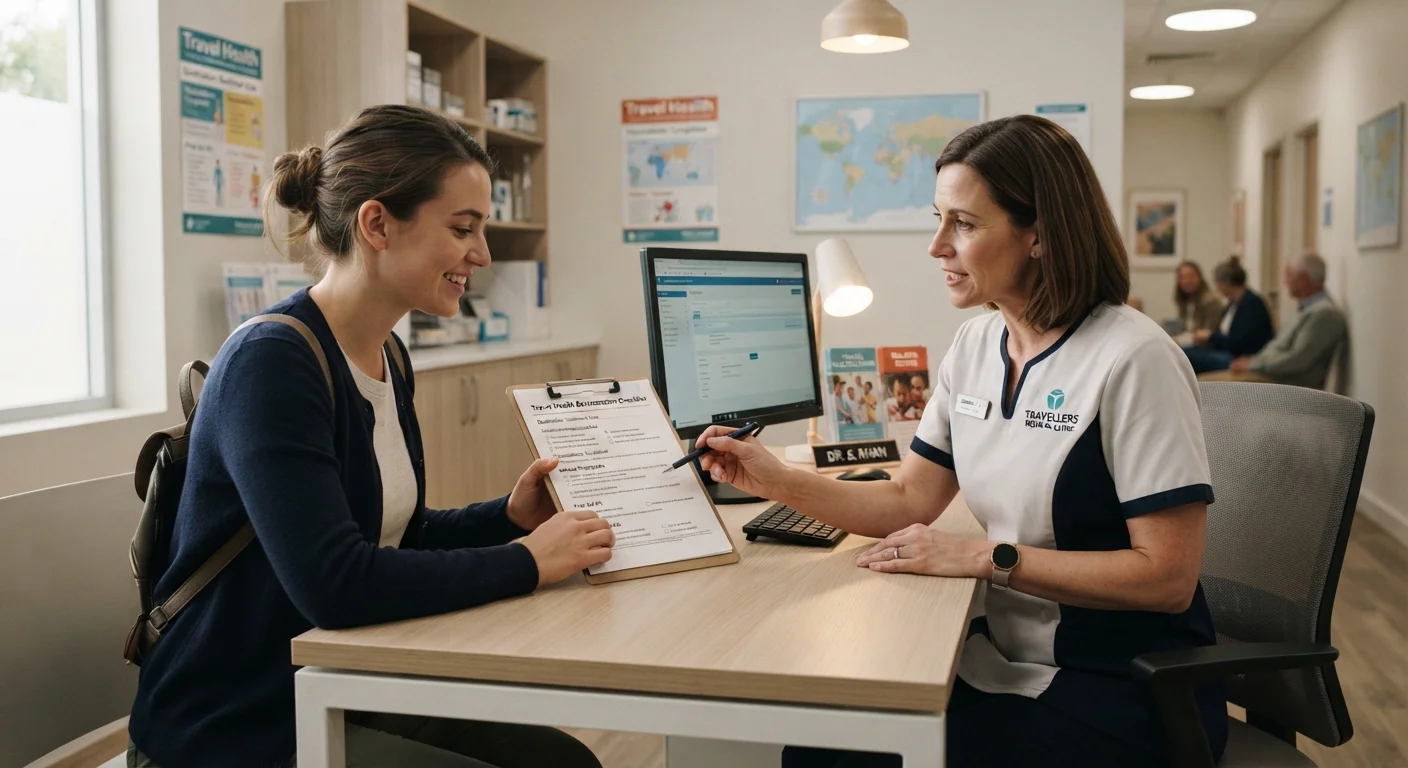
Travel Medicine Clinic
Provides destination-specific vaccine administration, prescription antimalarials, and personalized risk assessment that a general practitioner may not offer.
Smart Traveler Enrollment Program (STEP)
Register your trip with the US State Department so embassies can reach you during regional emergencies or natural disasters.
International Association for Medical Assistance to Travellers (IAMAT)
Find English-speaking physicians abroad and access climate and health information organized by region.
Travel Health Insurance Policy
Provides emergency medical coverage abroad that most domestic US health plans do not extend internationally.
The Health Precautions Checklist
These items are organized by phase and priority. "Must" items represent the non-negotiable baseline. "Should" items significantly reduce risk for most travelers. "Nice to have" items add a meaningful layer of preparation without being universally required.
Scheduling and Consultations (4–8 Weeks Out)
Vaccinations and Preventive Medications
Medications, Supplies, and Documentation
Insurance and Emergency Preparedness
Food, Water, and Environmental Safety
Medication Legality Varies Significantly by Country
Several medications routinely prescribed in the United States — including certain ADHD medications, opioid-based pain relievers, and some anxiety medications — are classified as controlled or prohibited substances in other countries. Carrying them without the correct documentation can result in confiscation or legal consequences. Always verify the legal status of your medications with the destination country's embassy or consulate before departure.
Travelers managing cardiovascular conditions, diabetes, or other chronic illnesses should pay particular attention to the medication and documentation items. Relevant background on managing ongoing health considerations can be found in the Health Conditions hub. For those planning to visit regions under elevated US State Department advisories, cross-reference this health checklist with the realities of traveling to high-risk destinations.
This article provides general travel health information for educational purposes only. It is not a substitute for personalized medical advice. Consult a qualified healthcare provider or travel medicine specialist before making any health decisions related to your trip.