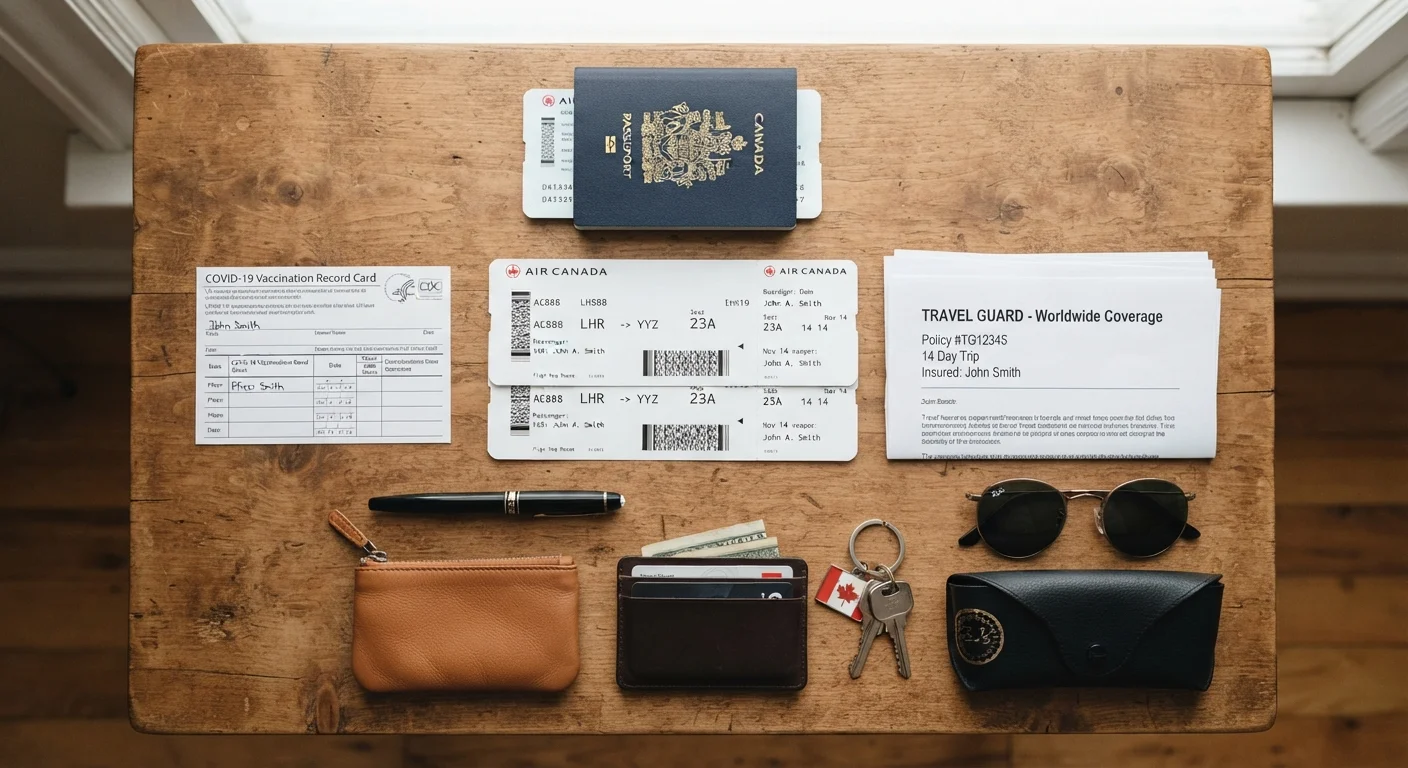


Choosing Your Destination
Your first independent trip should match your current comfort level rather than stretch it to the breaking point. Consider three practical filters when narrowing destinations: logistical complexity (language barriers, transport infrastructure, visa requirements), budget range, and passport validity — most countries require at least six months of remaining validity beyond your travel dates.
First-timers often benefit from destinations with reliable tourism infrastructure, English-speaking populations in key travel hubs, and low-friction entry requirements for US citizens. That said, the right destination is ultimately personal. Align your choice with what genuinely interests you — cultural immersion, outdoor adventure, urban exploration — rather than defaulting to popular defaults.
For a fuller view of every planning stage, see The Full Scope of Trip Planning as a companion reference throughout this process.
Independent travel
Traveling without a pre-packaged tour or group, where the traveler self-arranges all bookings, transportation, and daily decisions.
Visa
An official authorization from a destination country allowing entry for a specified purpose and duration. Requirements vary by nationality and destination.
Travel insurance
A type of insurance policy that can cover unexpected costs during travel, such as medical emergencies, trip cancellations, or lost belongings. Specific coverage depends on the policy and provider.
Contingency reserve
A portion of your travel budget set aside specifically for unexpected expenses — typically 10–15% of total planned spending.
STEP (Smart Traveler Enrollment Program)
A free US State Department service that registers US citizens traveling abroad, enabling the nearest embassy to communicate during emergencies or crises.
Peak season
The period of highest visitor demand at a destination, usually aligned with favorable weather or major holidays, when prices are higher and availability lower.
Setting a Realistic Travel Budget
Underestimating costs is the most common planning error. Build your budget across five categories: flights, accommodation, daily expenses (food, transport, activities), travel insurance, and a contingency reserve of at least 10–15% of your total projected spend.
Research average daily costs at your destination using traveler forums and government tourism resources. Factor in costs that newcomers frequently overlook: checked baggage fees, airport transfers, entry fees for attractions, gratuities, and currency conversion losses. For context on managing your broader finances while preparing to travel, the first investment guide for beginners offers grounded principles on building financial reserves that apply equally to trip savings goals.
Track Every Spending Category Before You Go
Create a simple spreadsheet listing estimated costs for each budget category before committing to any booking. This makes it easier to spot where costs are creeping and where you can trim without affecting your core experience. Revisit it each time you confirm a new booking so your running total stays accurate.
Booking Flights, Accommodation, and Ground Transport
Approach bookings sequentially: lock in flights first since they anchor your travel dates, then secure accommodation, and finally arrange ground transport. For international travel, booking flights eight to twelve weeks in advance is a general rule of thumb, though popular routes during peak season may warrant earlier action.
When selecting accommodation, weigh location against cost. A centrally located property often reduces daily transport costs and simplifies navigation. Read cancellation policies carefully — flexible rates cost more upfront but protect you if plans shift. For ground transport, research whether rail passes, local transit cards, or car rentals make more sense for your specific itinerary rather than defaulting to one option.
Flexible vs. Non-Refundable Bookings
Non-refundable rates are typically 10–20% cheaper but leave you exposed if plans change. For a first trip, the added cost of flexible cancellation policies is often worth the protection — unexpected delays, visa complications, or health issues can arise even with careful planning. Read the exact cancellation window in the booking terms, not just the label.
Health, Safety, and Documentation
Health and documentation preparation often gets left to the last week — a costly mistake. Start by checking the US Centers for Disease Control and Prevention (CDC) and US Department of State websites for destination-specific health advisories, recommended vaccinations, and travel alerts. Some vaccinations require multiple doses weeks apart, so early scheduling matters.
Ensure your passport is valid well beyond your return date. Apply for any required visas through official embassy or consulate channels only. Enroll in the State Department's Smart Traveler Enrollment Program (STEP), which allows the nearest US embassy to contact you in an emergency.
Travel insurance is not optional for independent travelers — it covers medical emergencies, evacuation, cancellations, and lost belongings. For general guidance on understanding coverage types, the insurance overview hub is a useful starting reference. Pair that with destination-specific safety preparation from the travel safety hub.
Building Your Itinerary
Resist the urge to fill every hour. A common first-timer mistake is scheduling too many activities in too little time, which creates exhaustion rather than enjoyment. Build your itinerary around two or three priority experiences per destination and treat everything else as optional additions.
Confirm operating hours, booking requirements, and seasonal closures for key attractions before finalizing your schedule. Allow travel days to be light — arriving at a new city and then rushing to three sightseeing stops is a reliable path to burnout. For a detailed exploration of why this matters, why overpacked itineraries backfire is essential reading before you finalize any schedule.
Packing Smart for Independent Travel
Independent travelers carry their own bags through every transit leg — making pack weight a genuine quality-of-life variable. The guiding principle: pack for seven days regardless of trip length, since laundry access exists almost everywhere. Choose versatile, neutral-colored clothing that layers well across different climates and social contexts.
Essentials beyond clothing: a portable power bank, universal travel adapter, a physical copy of key documents, a basic first-aid kit, and any prescription medications in original labeled containers with a sufficient supply plus extras for delays. Check airline baggage policies for your specific carriers before packing — rules vary significantly.
Keep your most important items — passport, insurance documents, medications, and a day's worth of cash — in your carry-on rather than checked luggage. This single habit prevents the majority of serious travel disruptions.
This article provides general travel planning information for educational purposes. Entry requirements, health advisories, visa rules, and travel conditions change frequently. Always verify current requirements with official government sources and qualified professionals before making travel arrangements.