
Choosing Your Destination with Intention
The most successful trips begin not with a booking confirmation, but with honest self-assessment. Before researching flights or hotels, consider what you actually want from this trip — active adventure, cultural immersion, rest, or a milestone celebration. These priorities will shape every downstream decision.
Once you have a clear purpose, evaluate practical filters: time available, passport validity, visa requirements for US citizens, seasonality, and any health or mobility considerations. The US Department of State's travel advisory system (travel.state.gov) provides country-level safety ratings that should inform your shortlist, not just your final safety review.
If you're traveling independently for the first time, see our complete walkthrough for first-time independent travelers for a structured approach to destination selection and early logistics. For cruise-based itineraries, the cruise destinations and guides hub offers destination-specific intelligence on ports and routes worldwide.
Cross-reference your destination shortlist against the State Department advisory map and CDC health notices simultaneously — a destination that's geopolitically stable may still require significant health preparation.
Many travelers consult safety or health resources separately, missing the combined picture that should drive destination choice and preparation depth.
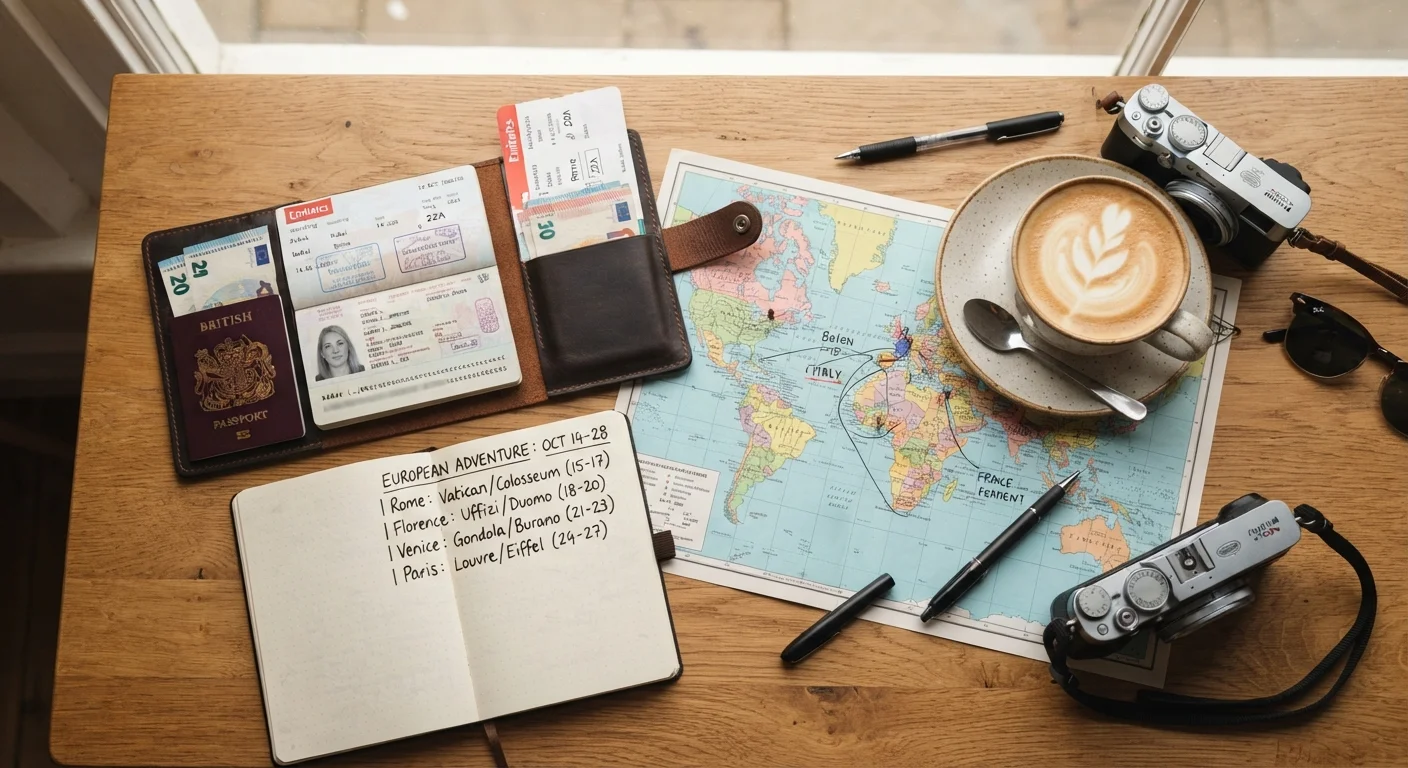
Book the single most time-sensitive component of your trip first — often a peak-season tour, timed museum entry, or popular train route — then build the rest of your itinerary around it.
High-demand experiences sell out months in advance, and forcing other logistics to accommodate them is far easier than retrofitting your itinerary after the fact.
Building a Realistic Travel Budget
A functional travel budget accounts for more than flights and hotels. Build your estimate across five categories: transportation (international and local), accommodations, meals, activities and entrance fees, and a contingency reserve of at least 10–15% of your total projected spend. Traveler forums and government tourism websites often publish cost-of-living benchmarks that can anchor your estimates.
Currency exchange rates fluctuate, and many destinations carry hidden costs — tourist taxes, resort fees, tipping norms, and mandatory travel insurance requirements in certain countries. Budget for these explicitly rather than treating them as surprises.
10–15%
Recommended contingency buffer for travel budgets
Financial planning guidance from travel industry advisors consistently recommends setting aside a contingency of at least 10–15% of total projected travel spend.
6 months
Minimum passport validity required by many countries
A large number of international destinations require US travelers' passports to be valid for at least six months beyond their planned return date.
If your trip involves multiple travelers, allocating a shared expense ledger from the start prevents ambiguity. Our group travel logistics guide covers how to structure shared budgets and resolve disagreements on spend priorities.
Booking Flights, Accommodations, and Ground Transport
The sequence of your bookings matters. Lock in international flights first — they carry the least flexibility and highest price sensitivity to timing. Accommodations can typically be confirmed once routing is set. Ground transport (trains, car rentals, intercity buses) often benefits from local booking, though peak-season rail routes in Europe and Japan warrant advance reservation.
When reviewing accommodations, look beyond price: cancellation policy, proximity to transit hubs, and whether breakfast or airport transfer is included affect total cost and convenience. Always read the cancellation and refund terms carefully — conditions vary significantly by platform and property type.
Build Buffer Days Into Your Itinerary
Avoid scheduling back-to-back timed commitments with no margin for delays. Adding even one unstructured day per week of travel gives you the flexibility to recover from flight delays, adjust for unexpected closures, or simply rest. Overscheduled trips are among the most common sources of traveler frustration.
For itinerary structure, build in buffer days between high-commitment bookings (tours, transfers, timed-entry museum slots). Flight delays and unexpected closures are more manageable when you haven't stacked obligations wall-to-wall.
Health, Safety, and Documentation Prep
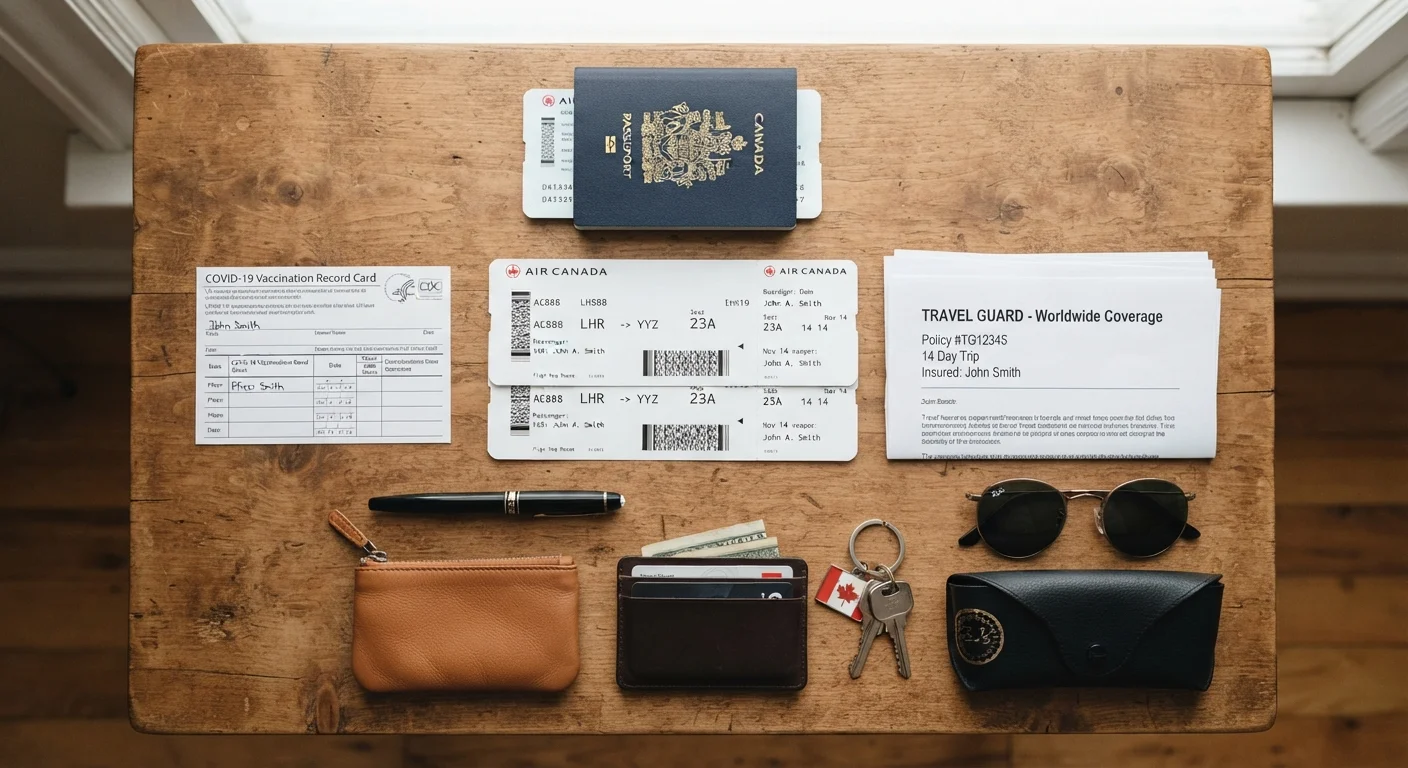
Documentation review is non-negotiable. Confirm your passport is valid for at least six months beyond your return date — many countries enforce this rule strictly. Check visa requirements through the destination country's official embassy website, not third-party aggregators, as requirements change without notice.
Health preparation varies by destination. The CDC's Travelers' Health portal (wwwnc.cdc.gov/travel) lists destination-specific vaccine recommendations and health notices. Consult a travel medicine provider or your primary care physician well in advance — some vaccine series require multiple doses over several weeks. This article provides general information only; consult a qualified healthcare professional for personal medical guidance.
Verify Entry and Health Requirements Officially
Entry requirements, vaccination mandates, and health documentation rules can change with little notice. Always verify current requirements directly through the destination country's official embassy website and the CDC Travelers' Health portal before departure. Do not rely on social media, travel blogs, or peer advice as your primary source for this information.
Travel insurance warrants careful consideration for any international trip. Policies vary widely in coverage for medical evacuation, trip cancellation, and baggage loss. Read the policy document, not just the summary, before purchasing. For comprehensive safety preparation guidance, the travel safety hub covers essential precautions across destination types.
Packing Smart and Final Pre-Departure Steps
Efficient packing is a discipline, not an afterthought. Build your list by category — clothing, toiletries, electronics, documents, medications — then review each item against the specific activities and climate of your destination. Airlines and destination countries have varying rules on liquids, batteries, and restricted items; verify current guidelines directly with your carrier and CBP (cbp.gov).
Keep critical documents — passport, insurance card, emergency contacts, hotel confirmations — in both digital (cloud-backed) and physical form. Store physical copies separately from your passport in case of loss or theft.
In the 48 hours before departure: confirm all reservations, download offline maps and translation apps, notify your bank of travel dates and destinations, and check your flight status. Set up automatic bill payments to avoid missed payments while away. Leave a detailed itinerary with a trusted contact at home, including accommodation addresses and emergency contact numbers.
Offline Access Is a Safety Essential
Download offline maps, your hotel addresses, and key phone numbers before you board. International data roaming can be unreliable or prohibitively expensive in some regions. Having critical information accessible without a network connection is a practical safety measure, not just a convenience.
This article is for general informational purposes only. Entry requirements, health regulations, and travel conditions change frequently — always verify current rules with official government sources and consult qualified professionals for medical, legal, and financial decisions relevant to your trip.