
Why Arrival Checks Matter More Than You Think
Most accommodation incidents - theft, disorientation during a fire alarm, or a compromised lock going unnoticed - share one trait: they were preventable with a brief, structured look around on arrival. A foundational understanding of travel safety makes clear that risk management isn't about anxiety; it's about converting unfamiliar environments into known ones as quickly as possible.
Whether you're in a chain hotel, a short-term rental, or a family-run guesthouse, the variables worth checking are largely the same. The checklist below organizes those checks into logical groups so you can move through them efficiently - typically in under 20 minutes - and then get on with enjoying your trip.
Rental Properties: Extra Verification Required
Short-term rentals operate without the on-site staff presence of a hotel. Before accepting the space, verify that all listed safety features - smoke detectors, carbon monoxide detectors, fire extinguisher - are physically present and functional, not merely described in the listing. If the property falls meaningfully short of what was advertised, document discrepancies immediately and contact the booking platform's support channel before assuming occupancy.
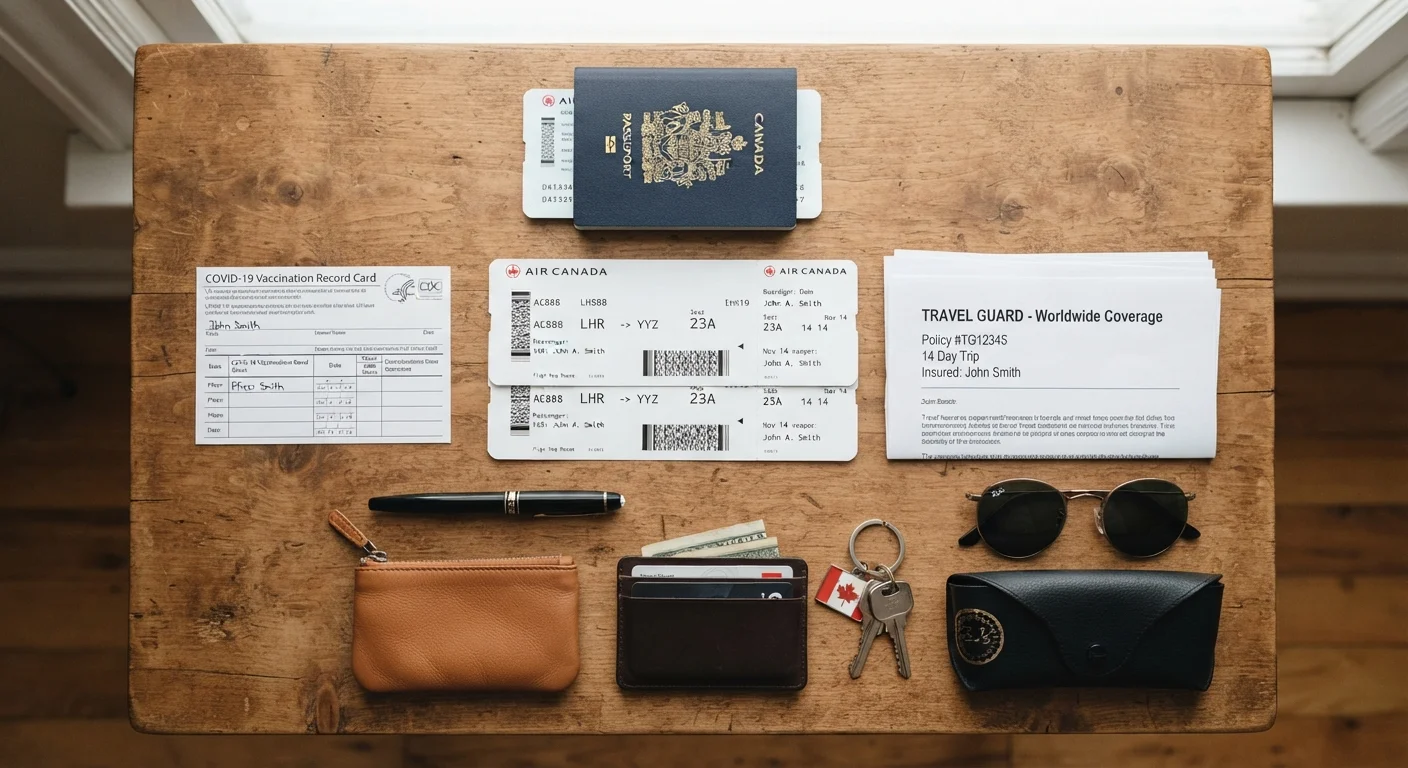
For additional context on pre-arrival preparation, see our pre-trip safety preparation checklist, which covers documents, insurance, and emergency planning before you leave home.
The Arrival Safety Checklist
Work through these groups in order - physical security first, then fire and emergency readiness, then digital and information hygiene, and finally situational awareness about the surrounding area.
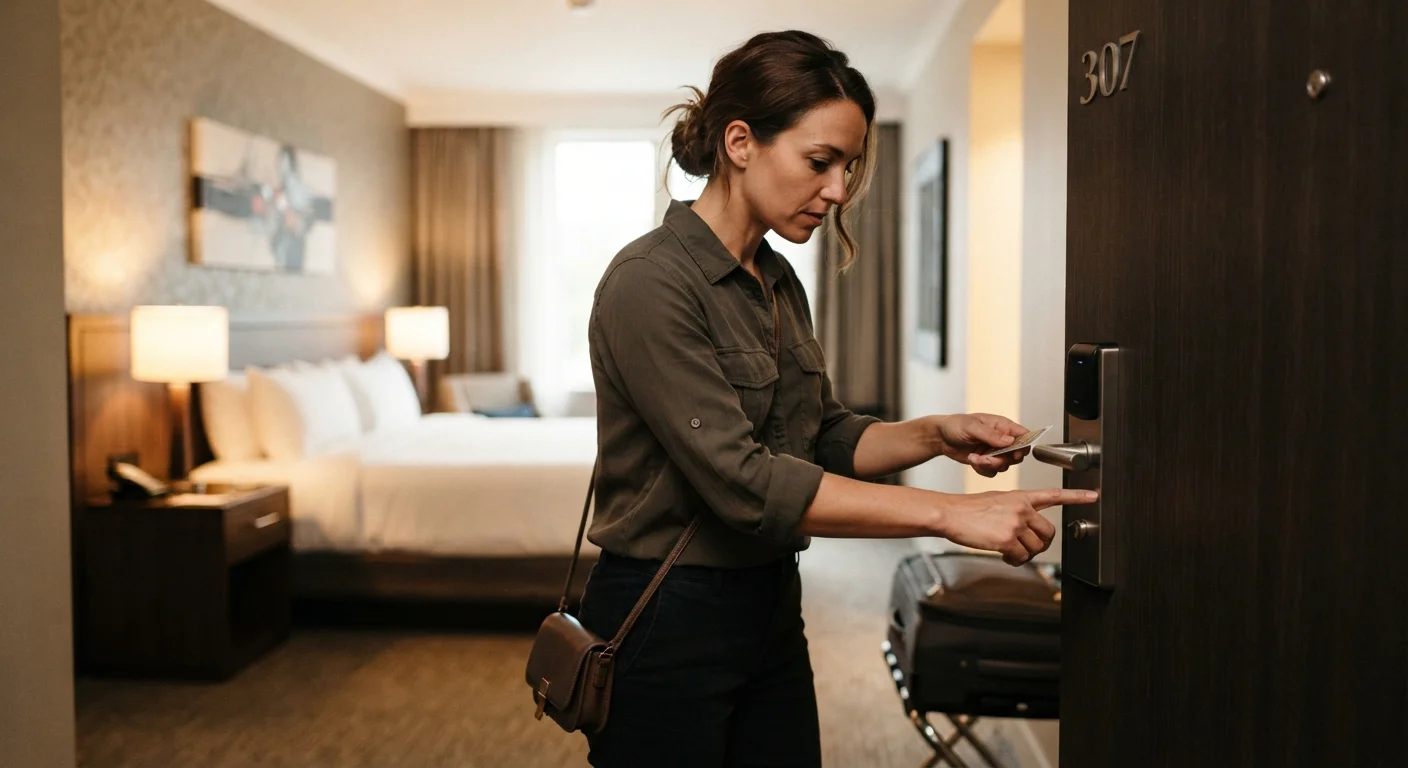
Door and Window Security
Fire and Emergency Preparedness
Valuables and In-Room Security
Emergency Information and Contacts
Neighbourhood and Environmental Context
Report Broken Security Features Immediately
If any check reveals a serious deficiency - a broken deadbolt, no working smoke detector, a door that cannot be secured from inside - contact the property manager or front desk immediately and request a different room. Document the issue with timestamped photos before any remediation occurs. Do not assume the problem will resolve itself overnight, and do not feel obligated to remain in an accommodation that cannot meet basic security standards.
If any check reveals a serious deficiency - a broken deadbolt, no working smoke detector, a door that cannot be secured from inside - contact the property manager or front desk immediately and request a different room. Document the issue with photos before any remediation occurs. Do not assume the problem will resolve itself overnight.
Tools and Resources Worth Having on Hand
You don't need specialized gear to conduct an effective arrival inspection, but a few items make the process more reliable and add a meaningful layer of protection during your stay.
Portable door alarm or door-stop alarm
Provides an additional audible alert if the room door is opened while you sleep, useful when secondary lock hardware is minimal.
Offline maps app (downloaded before travel)
Allows navigation to emergency services or safe locations without requiring cellular data or local SIM access.
Physical notecard and pen
Used to write down the property address and local emergency number as a non-battery-dependent backup.
Small flashlight or phone torch
Helps you navigate darkened corridors and identify exit routes during a power outage or nighttime fire alarm.
Travel insurance documentation (digital and printed copy)
Contains emergency assistance hotline numbers and policy reference details needed if you must contact your insurer from the property.
Solo travelers may find additional guidance in our article on solo travel safety habits, which addresses accommodation selection and staying connected when traveling alone. For guidance on reading your immediate environment after check-in, situational awareness in unfamiliar cities offers practical, non-alarmist techniques.
This article provides general travel safety information for educational purposes. Conditions at individual properties vary widely; always use your own judgment and consult property staff or local emergency services when in doubt.