
Why Situational Awareness Gets Misunderstood
The phrase "situational awareness" is often borrowed from security and military contexts, which can make it sound like a state of constant alert — exhausting and incompatible with the enjoyment of travel. That framing is not accurate for everyday urban navigation. In practice, situational awareness for travelers means having enough information about your environment to make calm, rational choices rather than reactive ones.
The alternative — moving through unfamiliar cities in a state of either complete obliviousness or heightened anxiety — serves neither safety nor experience. Travelers who are distracted (phones out, headphones in, maps dominating attention) and those who are perpetually on guard both miss the social cues that make navigation intuitive. The skill sits in between: present, engaged, and genuinely curious about the environment rather than afraid of it.
For a grounded introduction to how risk recognition fits into broader trip planning, travel safety fundamentals is a useful starting point. If you are traveling alone, solo travel safety habits addresses additional considerations specific to that context.
Awareness Is Not Anxiety
Situational awareness should never translate into constant fear or suspicion of everyone around you. Research consistently shows that most people in any city are not a threat. The goal of these techniques is to reduce uncertainty so you feel calmer, not to prime you for imagined worst-case scenarios. If anxiety about travel safety is significantly affecting your wellbeing, speaking with a mental health professional is a reasonable step.
What to Do Before You Arrive
The most effective safety decisions happen before you land. Travelers who arrive with a mental map of their destination — knowing which direction the city center is, where their accommodation sits relative to transit, and which areas carry higher foot traffic at night — make better in-the-moment choices because they are orienting rather than starting from scratch.
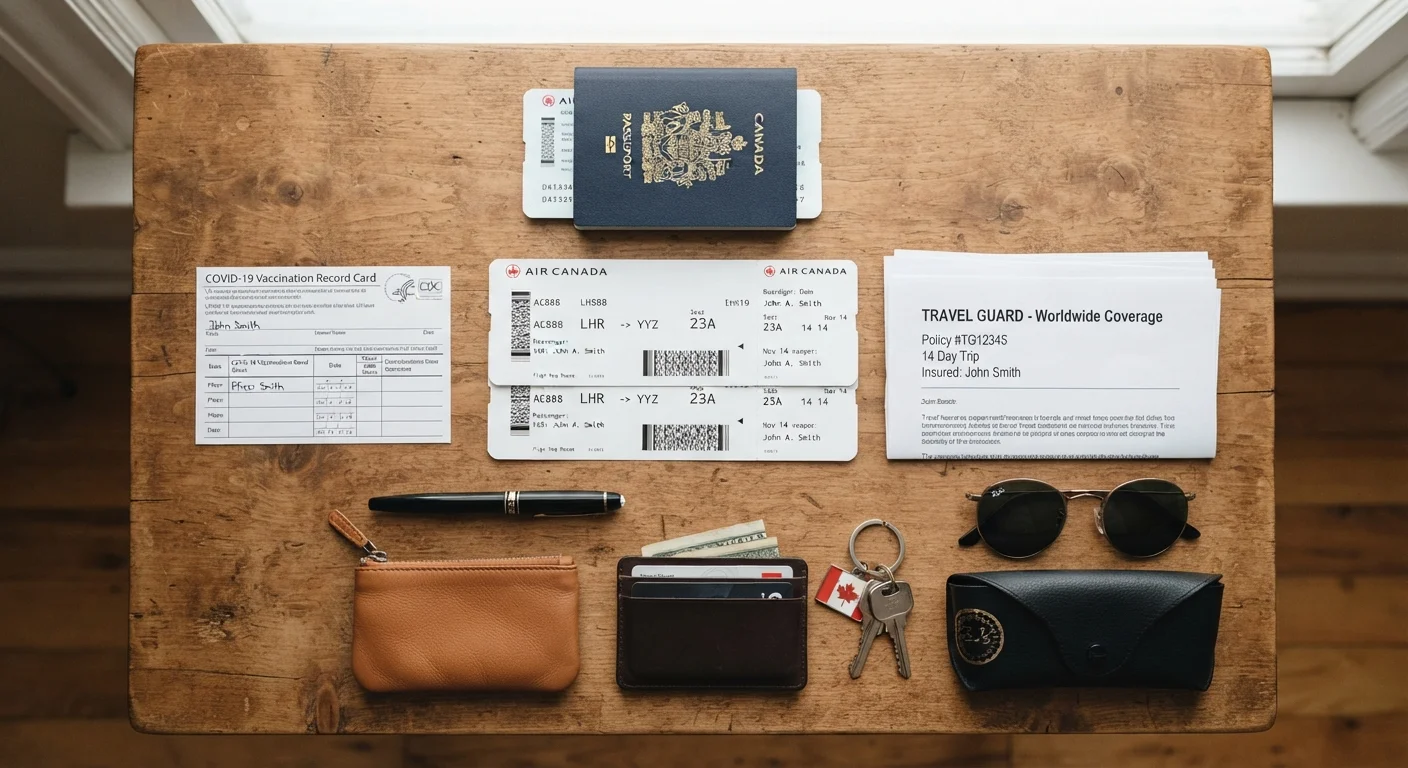
Use official sources for any entry, safety, or health-related requirements. The U.S. Department of State's travel advisories and the destination country's official government sites provide the most reliable baseline. Verify entry requirements, local laws that differ significantly from US norms, and any recent safety alerts well in advance — not the night before. Conditions change, and no third-party article (including this one) should substitute for official, current guidance.
Pre-Load Maps Before You Land
Download offline maps of your destination city before departure using a reliable mapping application. Walking with your phone raised and navigating in real time signals distraction and reduces your ability to read your surroundings. Having your route internalized or accessible without staring at a screen keeps you engaged with the environment around you.
On the accommodation side, knowing what to check when you first arrive — room security, fire exits, neighborhood context — reinforces the same principle. See accommodation safety on arrival for a structured checklist.
What you will need
Offline mapping app (e.g., a downloaded city map)
Allows route-checking without staring at a live screen or relying on data connectivity.
Local emergency contact list
Stores police non-emergency lines, embassy contacts, and your accommodation's number for quick access.
Money belt or concealed pouch
Keeps primary documents and cards separate from accessible wallet to limit loss from opportunistic theft.
Practical Techniques for Navigating Unfamiliar Streets
The steps below translate situational awareness from concept into daily habit. They are ordered to reflect the natural sequence of a travel day: preparation before leaving your accommodation, orientation when entering a new space, and calibrated response when something feels off.
Research the city's layout and neighborhood context before arrival
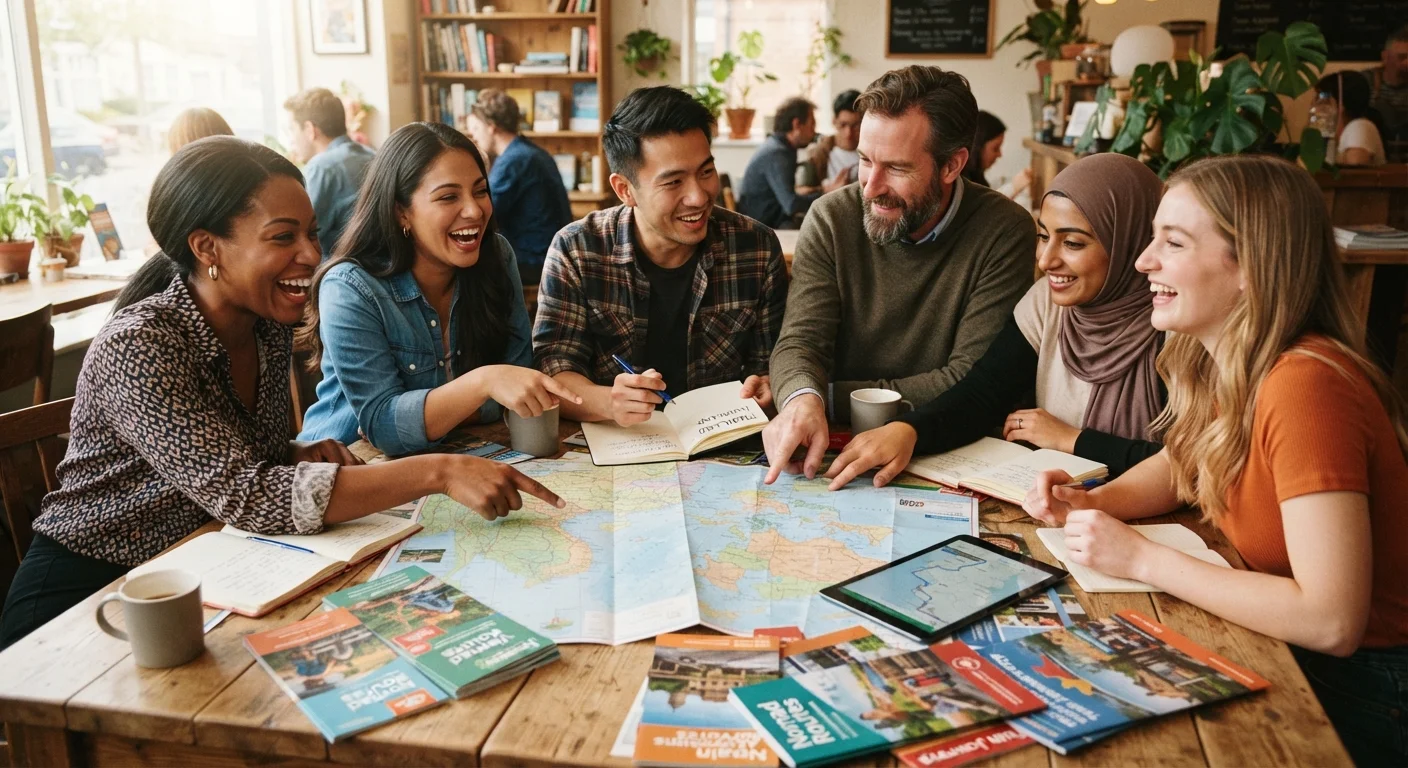
Spend time before your trip reviewing the city's geography — which districts are residential, commercial, or tourist-heavy, and how they connect. Local government tourism sites and travel advisories from the U.S. Department of State are reliable starting points. Identify your accommodation's surrounding area and the routes you'll commonly use. This mental map means you arrive with context, not confusion.
Observe the baseline of a space when you enter it
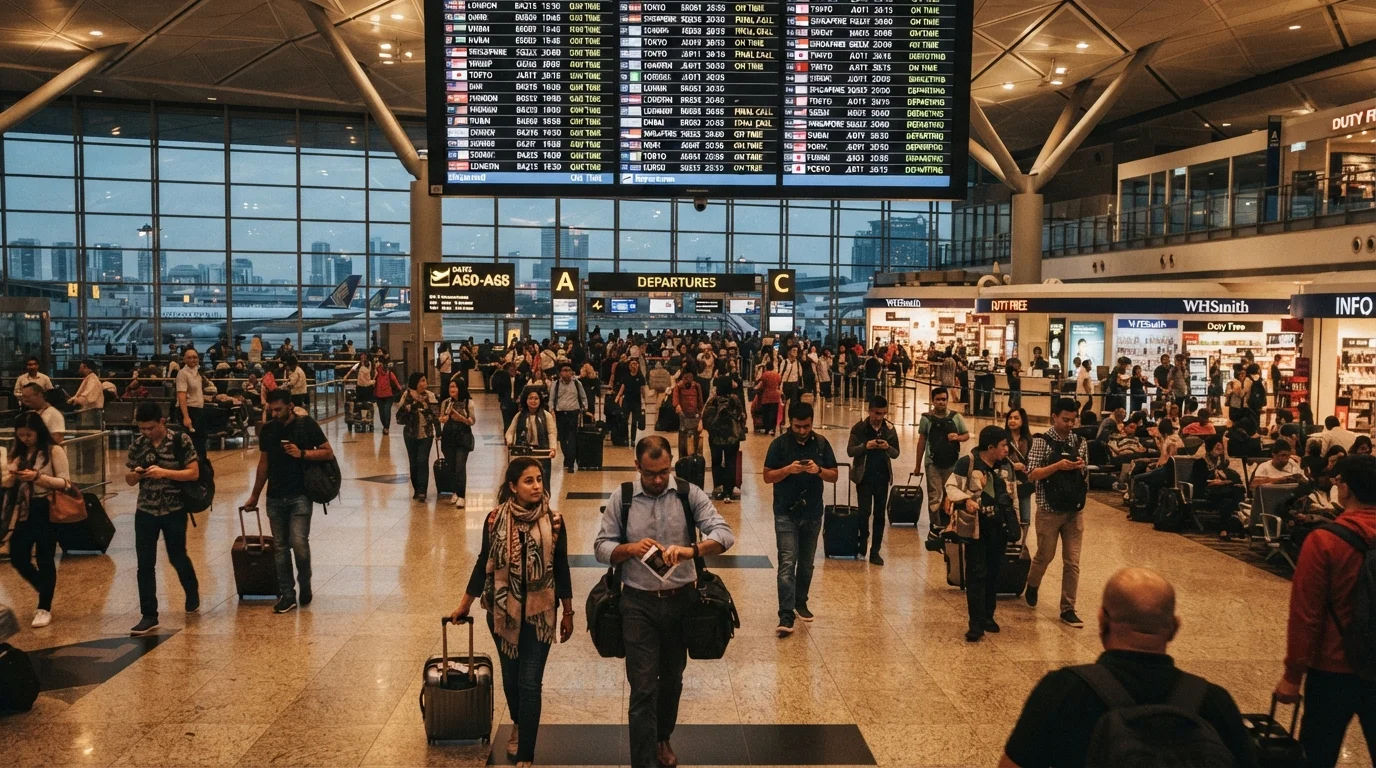
Every environment has a normal rhythm — a baseline of noise, movement, and interaction. When you enter a new space like a transit station, market, or street, take a few seconds to read that baseline before moving purposefully. Notice exits, the general flow of foot traffic, and whether anything feels inconsistent with that rhythm. This is not about suspicion; it is about orientation.
Move with deliberate, unhurried confidence
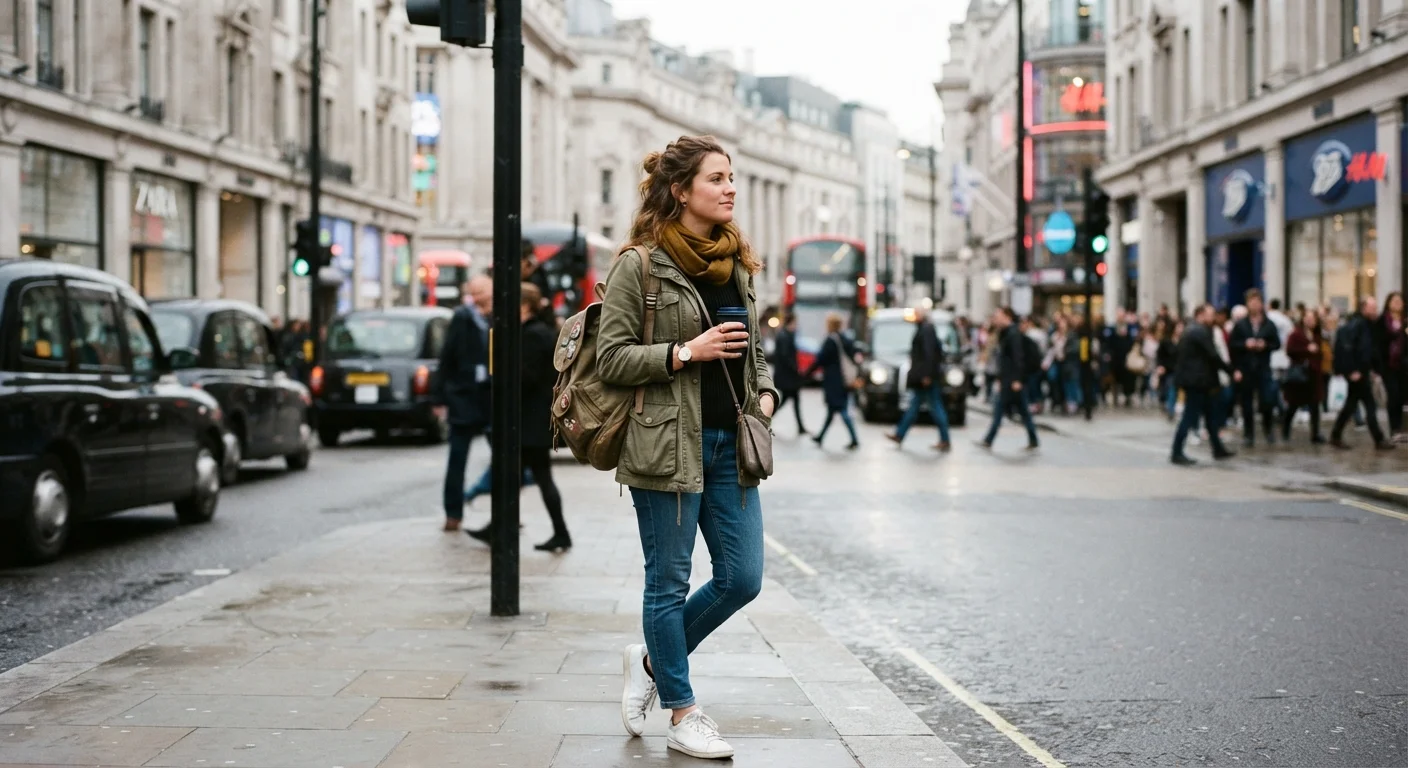
Your posture and pace communicate information. Walking with a relaxed but upright posture, making brief natural eye contact, and moving as though you know where you are going reduces the signal of uncertainty that can attract opportunistic attention. You do not need to perform confidence — just avoid broadcasting disorientation. If you need to check directions, step to the side near a wall or into a café rather than stopping in the middle of foot traffic.
Limit visible markers of high-value items
Opportunistic theft frequently targets visible signals: expensive cameras worn loosely, phones resting on café tables, or open bags. This is not about dressing down or being fearful — it is about removing easy opportunities. Carry bags with closures facing your body, keep your phone in a front pocket or inside a bag when not in use, and avoid flashing cash in busy markets. The goal is reducing visibility, not eliminating enjoyment.
Distinguish discomfort from actual threat
Unfamiliar environments often produce low-level unease that has nothing to do with danger — different sounds, language barriers, unfamiliar social norms. Learning to distinguish that general discomfort from a specific, concrete signal (someone following you, aggressive pressure to go somewhere, an isolated route that does not feel right) is a key skill. If something feels concretely wrong, trust that signal: change direction, enter a public building, or approach a shopkeeper or uniformed person for help. See travel safety fundamentals for a broader framework around risk recognition.
Establish a communication check-in habit
Let someone you trust — at home or a travel companion — know your general plan for each day and a check-in window. This does not require constant updates; a single daily message confirming you are fine is sufficient. Store local emergency numbers and your country's embassy contact in your phone before departure. For digital safety considerations while abroad, protecting your data on the road covers the key practices around connectivity and device use.
Avoid Overconfidence in 'Safe' Areas
Tourist-designated zones and well-reviewed neighborhoods are not immune to opportunistic crime. Common myths about tourist safety are worth reviewing before your trip — the assumption that a popular area is automatically safe can reduce alertness at exactly the wrong moment. Stay observant regardless of a neighborhood's reputation.