

Why Insurance Myths Are Financially Dangerous
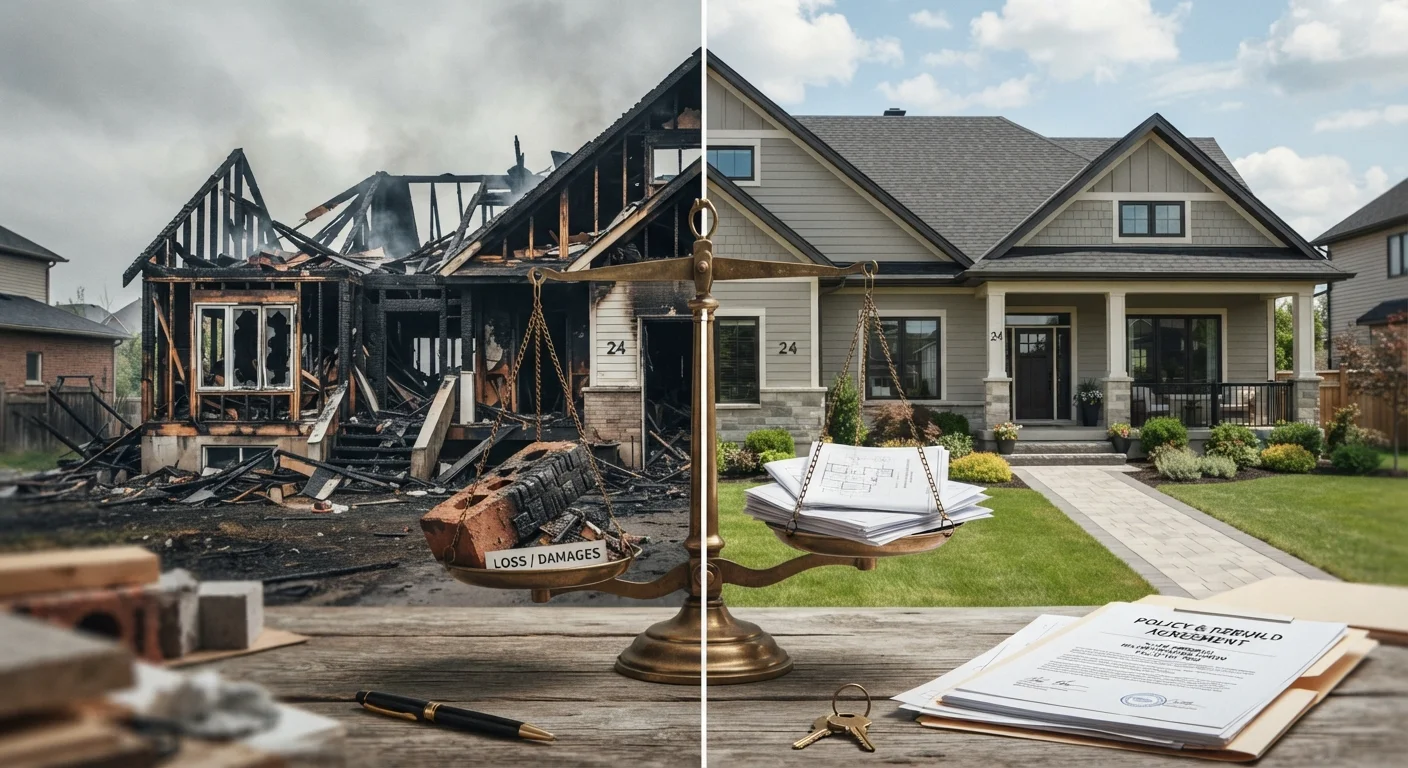
Insurance is one of the few financial tools designed specifically to prevent catastrophic loss - yet widespread misconceptions cause millions of Americans to carry inadequate coverage or skip policies they genuinely need. The consequences are not abstract: underinsurance after a house fire, a lawsuit, or a medical event can wipe out savings accumulated over decades.
Correcting these myths isn't about upselling anyone on more coverage. It's about ensuring that the protection people believe they have actually exists when they need it most. As you review the myths below, consider whether any of them have shaped your own coverage decisions. For a broader perspective on how coverage gaps develop, the companion piece why a low premium doesn't always mean a good deal is worth reading alongside this one.
Underinsurance Is a Real Financial Risk
Being insured on paper is not the same as being adequately covered. Policy limits, exclusions, and gaps between what you assume is covered and what your policy actually covers can leave you exposed to significant out-of-pocket losses. Reviewing your policies annually - particularly after major life changes - is a sound financial practice. A licensed insurance agent or independent broker can help identify coverage gaps specific to your situation.
The Most Persistent Insurance Myths - Corrected
The following myth-and-fact pairs address misconceptions across auto, renters, homeowners, health, and life insurance. Each one is grounded in how policies actually work under standard US insurance practices.
Myth
Red cars cost more to insure because insurers consider them higher risk.
Fact
Insurers do not factor vehicle color into premium calculations - it has no bearing on your rate.
This is one of the most durable insurance myths in circulation. Auto insurers base premiums on factors such as the vehicle's make, model, age, engine size, safety ratings, your driving history, location, credit score (where permitted by state law), and annual mileage. The color of the car is not collected, tracked, or used in any standard underwriting model. The myth likely persists because red is culturally associated with speed, but there is no actuarial or regulatory basis for the claim.
Myth
Renters don't need insurance because the landlord's policy covers the building.
Fact
A landlord's property insurance covers the structure only - not a tenant's personal belongings or personal liability.
A landlord's policy is designed to protect the building owner's asset. If a fire, burst pipe, or theft damages or destroys your furniture, electronics, clothing, or other possessions, the landlord's insurer has no obligation to compensate you. Renters insurance fills this gap, typically covering personal property, personal liability (if someone is injured in your unit), and additional living expenses if your home becomes uninhabitable. Renters insurance is generally among the more affordable policy types available to US consumers, yet the Insurance Information Institute has consistently found large proportions of renters going without it.
Myth
Carrying the state-minimum auto liability coverage is enough protection.
Fact
State minimums are legal floors, not financial safety nets - they are often far too low to cover serious accident costs.
Every US state sets minimum liability limits, but those thresholds were established to reduce uninsured driving, not to make victims whole after major accidents. A serious collision involving injuries, emergency care, and property damage can generate costs that exceed state minimums many times over. When that happens, the at-fault driver is personally responsible for the remainder. Carrying only the minimum also means no coverage for your own vehicle damage (that requires collision coverage) or for uninsured/underinsured motorist scenarios. Car leasing myths around insurance requirements illustrate how coverage assumptions can create similar gaps in leased vehicle situations.
Myth
Medicare will cover long-term care costs in retirement.
Fact
Medicare covers limited skilled nursing care under specific conditions; it does not cover custodial long-term care.
Medicare Part A may cover a short-term stay in a skilled nursing facility following a qualifying hospital stay, but it does not pay for ongoing custodial care - the assistance with daily activities (bathing, dressing, eating) that constitutes the bulk of long-term care needs. Medicaid can cover long-term care, but only after an individual has spent down most of their assets to meet eligibility thresholds. Long-term care insurance and certain hybrid life insurance products exist specifically to address this gap, though decisions about them involve complex trade-offs that warrant advice from a licensed financial adviser.
Myth
A standard homeowner's policy covers business equipment and liability if you work from home.
Fact
Home-based business activities and equipment are typically excluded from or severely limited under standard homeowner's policies.
The rise of remote work and home-based entrepreneurship has made this myth increasingly consequential. Standard homeowner's policies generally cap coverage for business property (computers, inventory, specialized equipment) at a low sublimit - often $2,500 or less - and typically do not extend liability coverage to business-related incidents. A client injured on your property for a business-related visit, or a data breach involving client records, would likely fall outside standard coverage. A business owner's policy (BOP), an in-home business endorsement, or separate commercial coverage is typically required to address these exposures properly.
Myth
Life insurance is only necessary if you have dependents.
Fact
Life insurance can serve legitimate financial purposes even for individuals without children or spouses.
While income replacement for dependents is the most common rationale for life insurance, it is not the only one. Individuals with significant co-signed debt (such as private student loans, which don't automatically discharge on death in all cases), business partners relying on a key person, or those wishing to leave a legacy or cover final expenses may have valid reasons to carry coverage. Additionally, purchasing a policy when young and healthy locks in lower premiums - a factor that matters if future insurability becomes uncertain due to health changes. Whether life insurance is appropriate for any individual situation is a question best addressed with a licensed adviser.
~55%
Renters without renters insurance
Insurance Information Institute surveys have consistently found roughly half or more of US renters carry no renters insurance policy.
$172,000+
Median annual cost of nursing home care (private room)
According to Genworth's Cost of Care Survey data, private nursing home room costs have risen sharply, highlighting the Medicare coverage gap for long-term care.
Closing the Coverage Gap
The pattern across these myths is consistent: people assume they're covered when they're not, or assume coverage is unnecessary until it becomes urgently needed. Reviewing your existing policies against these clarifications is a practical first step.
If you're evaluating whether to forgo a policy type entirely and maintain personal reserves instead, the trade-offs involved deserve careful analysis - see self-insuring vs. buying coverage for a balanced look at that approach. And if misconceptions about related financial products concern you, things people get wrong about credit scores covers similarly persistent misunderstandings in the credit space.
This article is for general informational and educational purposes only and does not constitute personalized insurance, financial, or legal advice. Coverage terms, exclusions, premiums, and eligibility vary significantly by provider, policy, and state. Always read your actual policy documents carefully and consult a licensed insurance agent or adviser before making decisions about your coverage.