
The Premium Trap: Why Price Is a Poor Proxy for Value
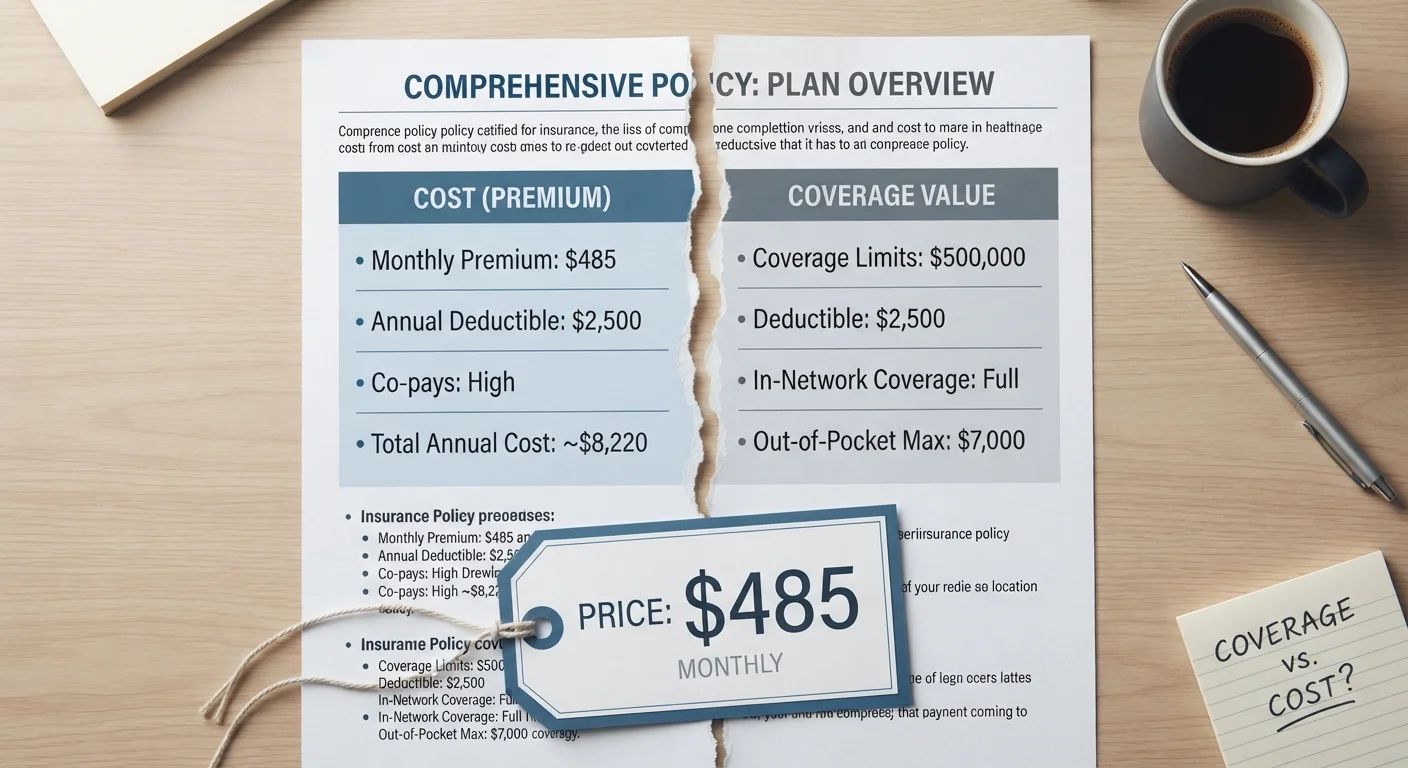
When shopping for insurance, it's tempting to treat the monthly premium as the primary measure of a policy's worth. Lower premiums mean more money in your pocket each month - that logic feels sound. But a premium only tells you what you pay to keep a policy active. It says nothing about how much financial protection you actually receive if something goes wrong.
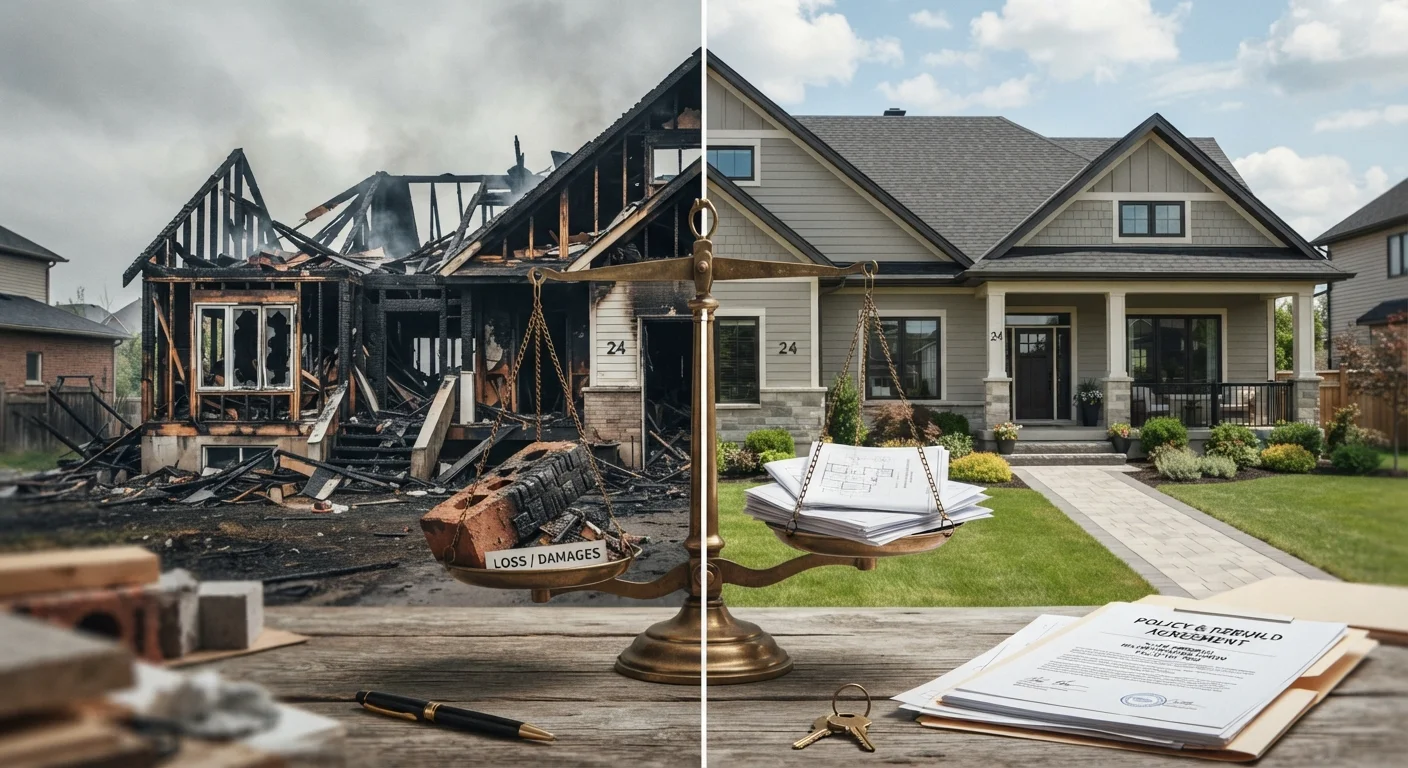
Insurance is a contract, and its value is determined by the terms inside that contract - not the price on the cover page. Two policies can have identical premiums yet deliver dramatically different outcomes after a loss, depending on their deductibles, coverage limits, exclusions, and valuation methods. Conversely, a higher-premium policy may represent far better value because it closes gaps that a cheaper alternative leaves wide open.
The mistakes consumers most commonly make when evaluating insurance aren't about ignorance of the industry - they're about anchoring decisions to the one number that's easiest to compare. Understanding the full picture requires looking at the policy structure, not just its price. For a practical walkthrough of what those structures look like on paper, see Reading an Insurance Policy: What to Look for Before You Sign.
Comparing policies solely by premium without reviewing deductibles or coverage limits.
Why it happens: Premiums are the only figure prominently advertised, making them the default comparison point for most shoppers.
Choosing an extremely high deductible without confirming you can comfortably absorb that cost out of pocket.
Why it happens: High-deductible plans offer immediate, visible premium savings, which can obscure the financial risk of a large unexpected claim.
Overlooking exclusions and sublimits that remove coverage for likely loss scenarios.
Why it happens: Exclusions are typically buried in policy documents and rarely summarised in quotes or comparison tools.
Accepting Actual Cash Value coverage on property without understanding its depreciation impact.
Why it happens: ACV policies carry lower premiums than Replacement Cost policies, so consumers often select them without recognising the valuation difference.
Assuming a policy covers everything not explicitly listed as excluded.
Why it happens: Many consumers believe insurance works on an opt-out model, when most property and liability policies are actually named-peril or limited-peril structures.
How These Mistakes Play Out in Real Claims
The financial impact of these errors typically isn't felt at purchase - it surfaces at the moment you file a claim. A policyholder who chose a $5,000 deductible to shave $40 off their monthly auto premium may find that a $4,200 repair falls entirely on them. A homeowner with Actual Cash Value coverage who assumed their roof would be replaced discovers the insurer subtracts years of depreciation, leaving a shortfall of several thousand dollars. Understanding how deductibles, copays, and out-of-pocket maximums interact across policy types is equally critical - our explainer on deductibles, copays, and out-of-pocket maximums breaks down the mechanics.
1 in 13
Homeowners who filed a claim in a given year
According to the Insurance Information Institute, roughly one in thirteen insured homeowners files a claim annually, underscoring how common claim events actually are.
$13,000+
Average homeowners insurance claim amount
The Insurance Information Institute has reported average homeowners claims well above $13,000, a figure that makes deductible and limit choices financially significant.
The distinction between Actual Cash Value and Replacement Cost Coverage is one of the most financially consequential differences between otherwise similar policies. Actual Cash Value vs. Replacement Cost Coverage explains precisely why this single term can mean thousands of dollars' difference after a property loss.
Your Premium Buys Access - Not Guaranteed Coverage
Paying your premium keeps your policy active, but it doesn't guarantee the insurer will pay a claim. Payment depends entirely on whether the loss falls within your policy's covered perils, above your deductible, within your limits, and outside any applicable exclusions. A policy can be technically valid and still pay nothing on a significant claim if the event wasn't covered under its specific terms. Always verify coverage details before assuming you're protected.
None of this means the lowest-premium policy is always wrong. For some consumers with strong emergency savings, a high-deductible policy is a deliberate, rational choice. But that's very different from selecting a low-premium policy without understanding what trade-offs have been made. To explore that decision framework further, Self-Insuring vs. Buying Coverage.
This article is for general informational purposes only and does not constitute personalised insurance, financial, or legal advice. Coverage terms, exclusions, and costs vary significantly by provider, policy, and state. Consult a licensed insurance professional before making decisions about your own coverage needs.