
Why a Pre-Sailing Checklist Matters
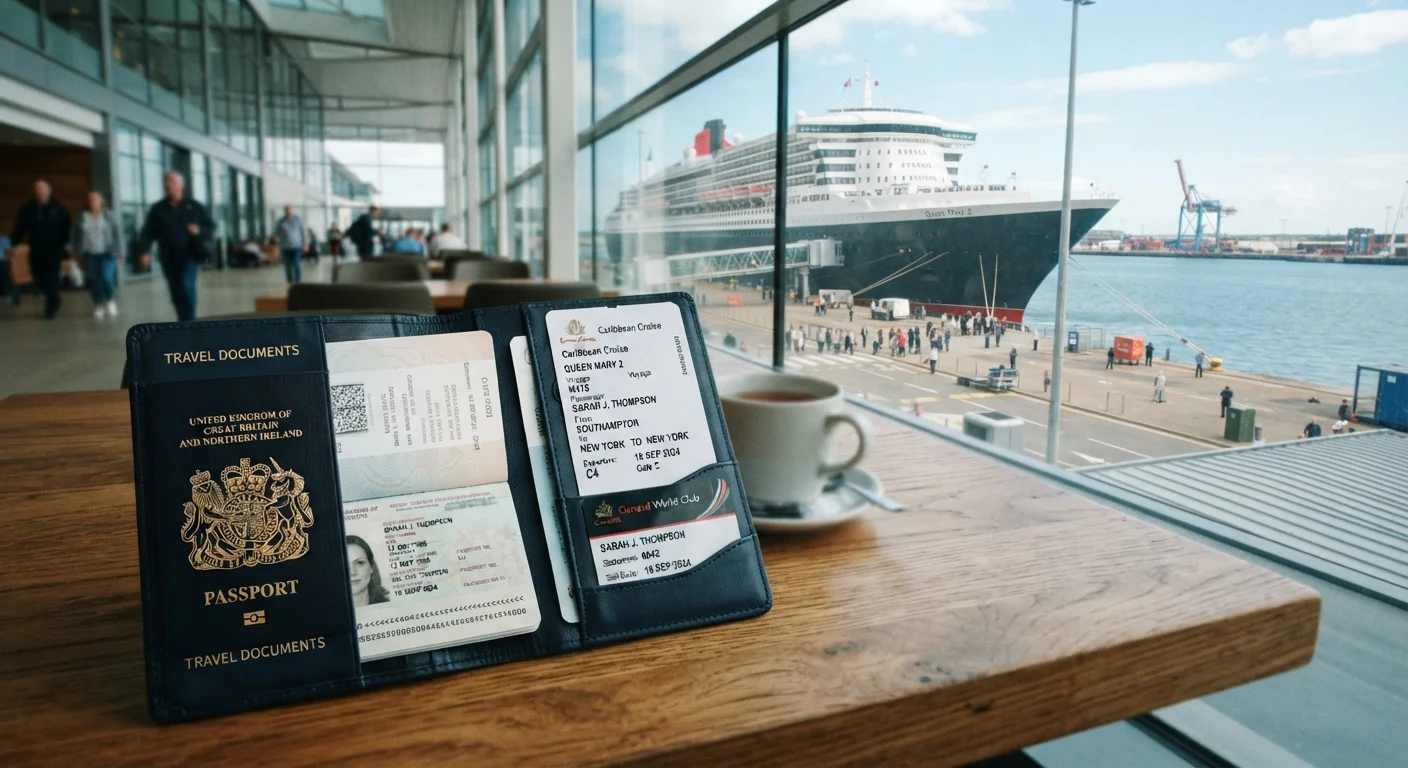
Cruise embarkation day moves fast. Thousands of passengers funnel through a single terminal, security queues grow quickly, and the ship departs on a fixed schedule regardless of who is still ashore. A single missing document — an expired passport, an absent vaccination record, or a misplaced booking confirmation — can result in denied boarding with no refund guarantee.
This checklist is designed for US travelers sailing on any major itinerary, from Caribbean loops to longer international voyages. Work through each category in the days leading up to departure, not the morning of. For broader pre-departure safety groundwork, the pre-trip safety preparation checklist covers emergency contacts, insurance verification, and home security steps that complement what's here.
Travel Documents
Health and Medical Preparation
Embarkation and Check-In Logistics
Finances and Communications
Port Day and Packing Readiness
Documents and Identity: The Non-Negotiables
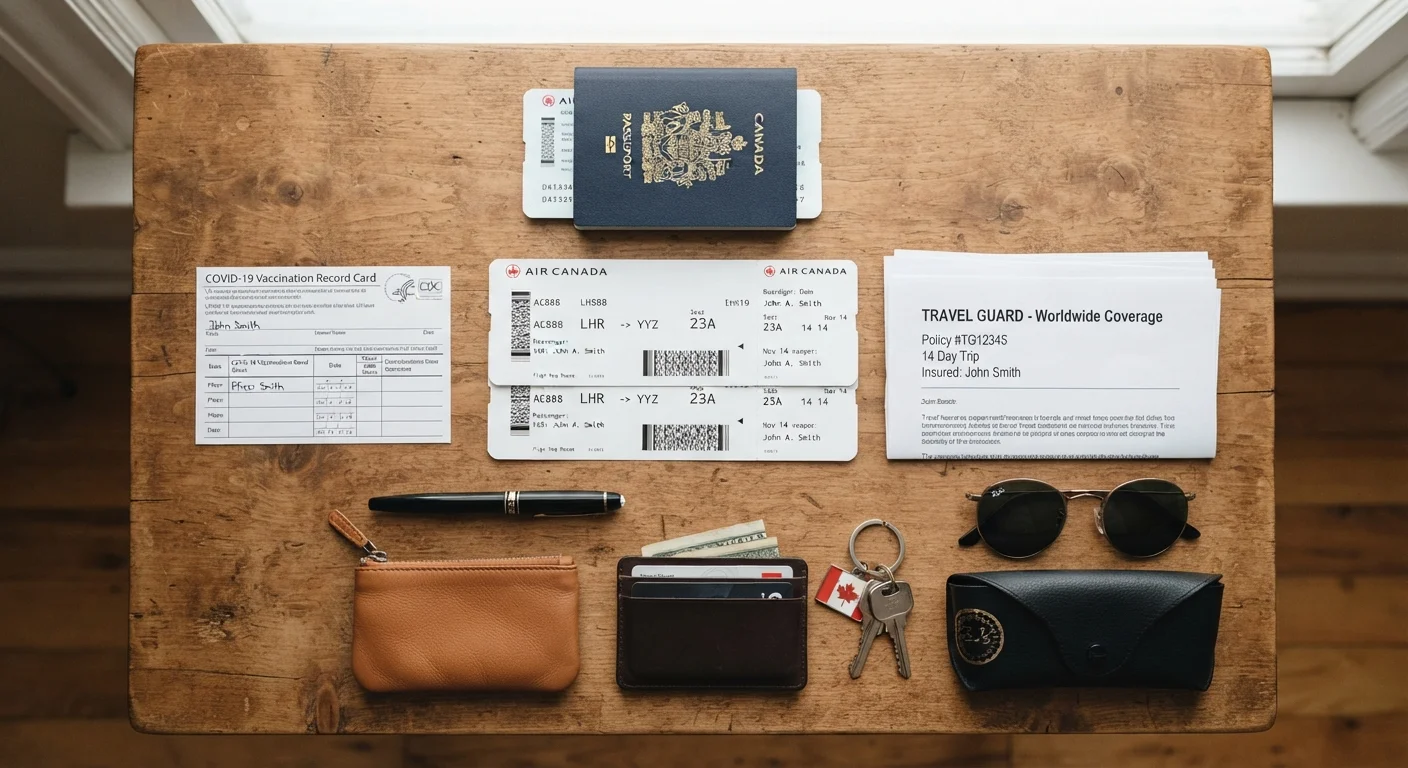
Travel documents are the single most consequential category on this checklist. US citizens sailing on closed-loop itineraries — cruises that depart and return to the same US port — may legally board with a government-issued photo ID and an original birth certificate, but a valid passport is strongly advisable and often required by individual cruise lines. For any itinerary that includes international ports with independent air travel, a passport is essential.
Passport validity rules vary sharply by destination. Many countries require six months of validity beyond your travel dates; others require only that the document not expire during your stay. Verify exact entry requirements for every port on your itinerary using the US Department of State's official country information pages — do not rely on the cruise line's summary alone, as those can lag behind regulatory changes.
Closed-Loop Loophole Has Limits
While US law permits American citizens on closed-loop cruises to board with a birth certificate and photo ID, many cruise lines require a valid passport regardless. Additionally, if a medical emergency requires you to fly home from a foreign port mid-voyage, you will need a passport. Sailing without one removes a critical safety net that cannot be restored once you are at sea.
Don't Pack Valuables in Checked Luggage
Luggage handed to pier porters is typically delivered to your cabin several hours after boarding and occasionally goes to the wrong cabin. Medications, travel documents, electronics, and any irreplaceable items should travel in a carry-on bag kept in your possession throughout embarkation. Review common cruise packing mistakes to avoid other avoidable errors.
Health, Onboard Setup, and Port-Day Logistics
Health documentation requirements have become a standard part of cruise preparation. Some itineraries — particularly those visiting certain regions of the world — require proof of specific vaccinations as a condition of boarding or port entry. Yellow fever certificates, for example, are mandatory for entry into several countries regardless of the cruise line's own policies. Always verify current requirements with the ship line and with official government health advisories for each port. Requirements can change on short notice.
Beyond health paperwork, the pre-sailing window is the right time to complete any onboard account registration your cruise line requires. Most lines allow — and encourage — guests to upload a profile photo, register a payment method, and pre-purchase dining reservations, specialty packages, or shore excursions through their passenger portal. Completing these steps in advance significantly reduces congestion at the pier and frees up your first hours on board.
Port-day logistics deserve equal attention before you sail. Review your itinerary carefully, paying particular attention to which stops are tender ports — where passengers are ferried ashore by small boat rather than docking directly. Tender schedules operate on first-come, first-served ticket systems that reward early risers. The guide to reading a cruise itinerary explains how to identify these details in your booking documents. If your sailing includes Southeast Asian ports, additional entry nuances apply — consult our overview of Southeast Asia cruise considerations for port-specific guidance.
Health Requirements Can Change Without Notice
Vaccination and testing requirements for individual ports can be updated by foreign governments independently of cruise line policies. Always verify current requirements directly with the relevant country's official health authority or embassy, and check again within 72 hours of departure. Your cruise line's website reflects their own policy — it is not a substitute for official government health guidance.
Finally, contact your bank and mobile carrier before departure. Card issuers routinely flag international transactions as fraud; a quick notification prevents a blocked card at a foreign port market. Ask your carrier about international data plans or ship-to-shore rates, which are separate from standard roaming and are billed differently. Also review what your trip planning hub resources recommend for travel insurance verification — confirming your policy covers medical evacuation at sea is worth the ten minutes it takes.
US Department of State — Country Information Pages
Look up entry requirements, visa rules, and travel advisories for every port country on your itinerary.
CDC Travelers' Health Portal
Check destination-specific vaccination recommendations and health notices relevant to your cruise route.
Cruise Line Passenger Portal
Complete online check-in, upload your profile photo, register payment, and manage pre-purchased packages before embarkation.
Travel Insurance Policy Documents
Confirm coverage details — particularly medical evacuation at sea — and save emergency contact numbers before departure.
Secure Cloud Storage or Password Manager
Store digital copies of your passport, booking confirmation, and insurance policy in an encrypted, accessible location.