
What Makes Southeast Asia Distinct as a Cruise Region
Southeast Asia cruise itineraries differ fundamentally from what US travelers encounter in the Caribbean or Mediterranean. Instead of a relatively uniform cultural backdrop, passengers move through countries with radically different languages, religions, legal systems, and social customs - sometimes within a single week. A port call in Singapore, Ho Chi Minh City, and Bangkok can each demand a different frame of reference.
Most Southeast Asia cruises homeport from Singapore, which functions as the region's logistical hub. Itineraries typically range from 7 to 21 nights and may traverse the South China Sea, the Gulf of Thailand, and the Strait of Malacca. Season matters here more than in some other regions: the monsoon cycle shifts weather patterns by sub-region, so departure timing affects which ports are accessible and under what conditions. Understanding how to read a cruise itinerary - including whether a stop is a pier call or a tender operation - is particularly important in Southeast Asia, where several destinations require smaller vessels to reach shore.
| Primary Homeport | Singapore (Tanah Merah or Marina Bay Cruise Centre) |
| Typical Itinerary Length | 7-21 nights |
| Visa Required (US Citizens) | Varies by country - Vietnam and Cambodia require advance e-visa; Singapore and Malaysia generally visa-free for short stays (Verify with U.S. State Department and destination embassies before travel) |
| Minimum Passport Validity | 6 months beyond intended departure date (most countries) |
| Peak Season (Lower Rainfall) | November through April for much of mainland Southeast Asia |
| Common Port Access Method | Mix of pier calls and tender operations depending on destination |
| Currency | Varies: Singapore Dollar, Vietnamese Dong, Thai Baht, Cambodian Riel, Malaysian Ringgit |
| Time Zones Crossed | Multiple - typically UTC+7 to UTC+8 across most itineraries |
Key Ports and Their Cultural Context
Singapore is frequently both embarkation and a port call in its own right. The city-state operates under strict public order laws - penalties for littering, jaywalking, and certain foods in transit zones are enforced and can surprise first-time visitors. It is one of the most accessible ports in the region for Americans, with no visa required for stays under 30 days (verify current entry rules with U.S. Customs and the Singapore Immigration & Checkpoints Authority before travel).
Vietnam - typically Hạ Long Bay, Da Nang, or Ho Chi Minh City - requires US citizens to obtain a visa or use the e-visa system. Entry requirements have evolved in recent years; always confirm current policy through the official Vietnamese government portal and the U.S. Embassy in Hanoi well ahead of departure. Photography near military installations is restricted, and traveler awareness of local etiquette in temples and pagodas is expected.
Thailand (Laem Chabang for Bangkok, or Phuket) offers visa-on-arrival or exemption for short visits, though these terms are subject to change. Dress codes at major temples like Wat Pho and Wat Phra Kaew are strictly enforced - shoulders and knees must be covered, and shoes removed before entry. The monarchy is constitutionally protected under lese-majesty laws, and public commentary critical of the royal family carries serious legal risk.
Cambodia (Sihanoukville or Phnom Penh via river tender) requires a tourist visa obtainable through the official e-visa portal. Angkor Wat, accessible on extended excursions from some itineraries, requires separate site passes. Photography of monks should only be done with permission.
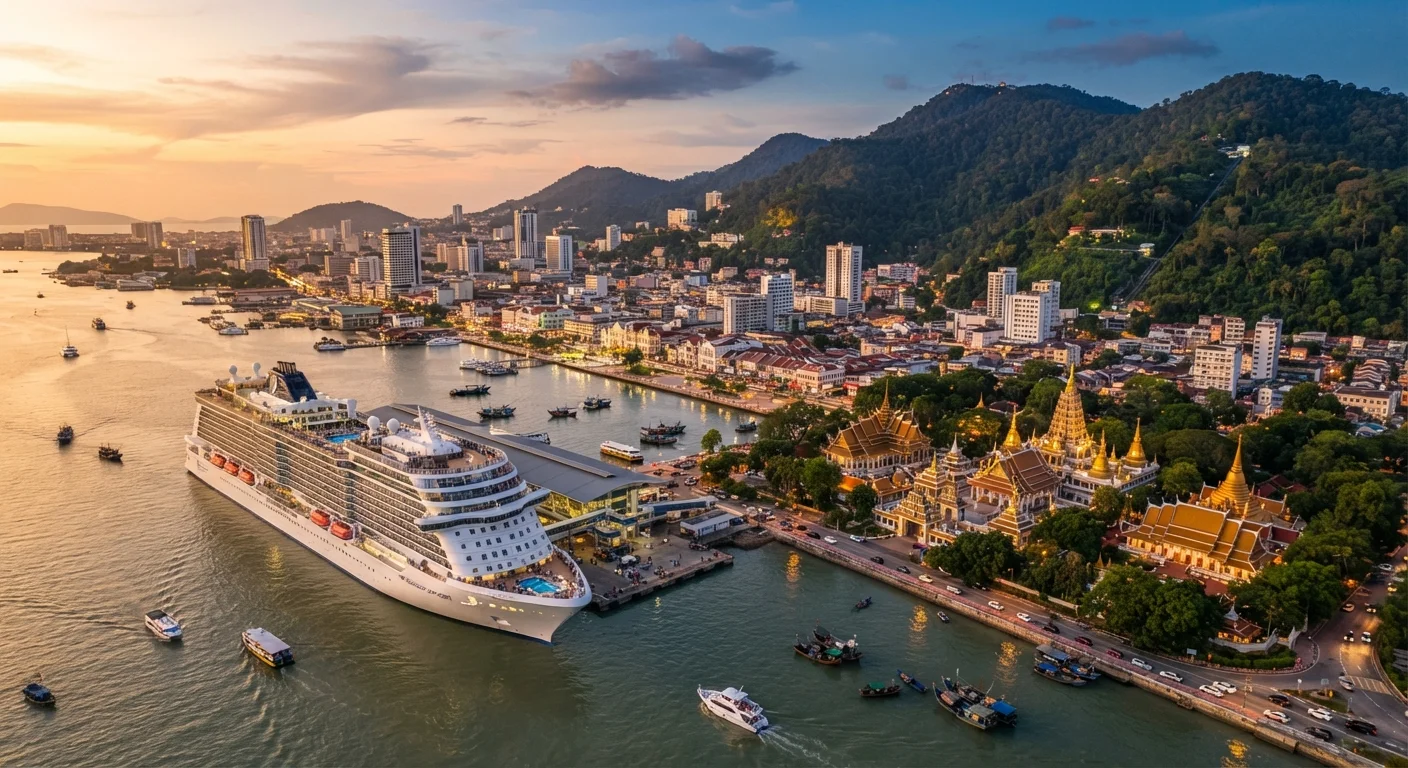
Malaysia (Penang or Kuala Lumpur via Port Klang) is generally visa-free for US passport holders for short stays. Penang's George Town is a UNESCO World Heritage Site noted for its multicultural shophouse architecture and diverse culinary heritage.
Tender Operation
A port call where the cruise ship anchors offshore and passengers are transported to the dock by smaller boats called tenders. Common at ports without deep-water pier infrastructure.
E-Visa
An electronically issued travel authorization obtained through an official government portal before departure. Vietnam and Cambodia both offer e-visa systems for eligible nationalities, including US citizens.
Lese-Majesty
A legal offense involving criticism or defamation of a monarch or royal family. In Thailand, lese-majesty laws carry significant criminal penalties and apply to visitors as well as citizens.
Homeport
The port where a cruise itinerary begins and ends, and where passengers embark and disembark. Singapore is the dominant homeport for Southeast Asia cruise routes.
Monsoon Season
A seasonal pattern of heavy rainfall driven by shifting wind systems. In Southeast Asia, the monsoon affects different sub-regions at different times of year, influencing cruise itinerary design and port accessibility.
UNESCO World Heritage Site
A location recognized by the United Nations Educational, Scientific and Cultural Organization for outstanding cultural, historical, or natural significance. Several Southeast Asian cruise ports - including George Town in Penang - carry this designation.
Practical Entry and Documentation Considerations
US travelers should approach Southeast Asia cruise documentation as a multi-country compliance exercise, not a single-check process. Requirements vary by country, can change with limited notice, and differ between air arrivals and those arriving by sea - cruise passengers arriving by ship at certain ports may fall under different entry categories than air travelers.
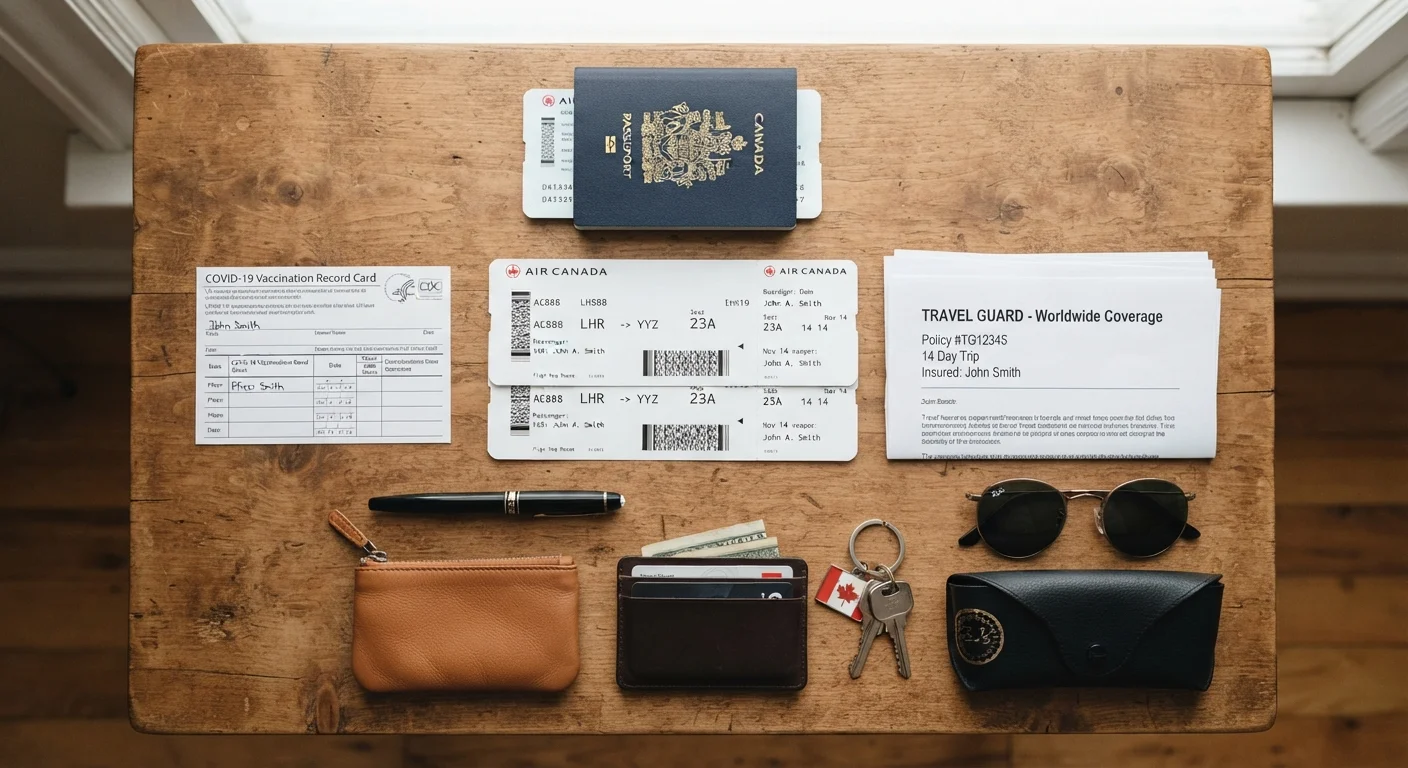
Passport validity is the first checkpoint: most Southeast Asian countries require at least six months of validity beyond your intended departure date. Carry physical copies of your visa approvals, cruise booking confirmation, and onward travel documentation. Some ports request proof of accommodation (the ship's manifest typically serves this purpose, but ask your cruise line for a letter confirming your itinerary).
Health documentation requirements vary. Some itineraries that include certain ports may require proof of specific vaccinations. The U.S. Centers for Disease Control and Prevention (CDC) Travelers' Health section and the State Department's country-specific pages are authoritative starting points, but your own physician should advise on any personal health considerations. See our pre-sailing readiness checklist for a broader documentation review framework.
Currency logistics deserve planning: while US dollars are accepted informally in many tourist areas, local currency is preferred or required at markets, temples, and smaller vendors. ATMs are available in major ports, but notify your bank before departure to avoid card blocks.
Packing for Multi-Country Cultural Contexts
Southeast Asia's varied religious and cultural sites each carry specific dress expectations - modest clothing that covers shoulders and knees is broadly appropriate across temples, mosques, and pagodas. Packing with this in mind saves both money and hassle at port. See our guide to cruise packing pitfalls to avoid common preparation mistakes before departure.
For travelers deciding between regions, the contrast with Western itineraries is significant. Comparing the Mediterranean and Caribbean helps illustrate how Southeast Asia's complexity differs from those more familiar routes.
This article is for general informational purposes only and does not constitute legal, immigration, or medical advice. Entry requirements, visa rules, and health regulations change frequently. Always verify current requirements with official government sources - including the U.S. Department of State, destination country embassies, and the CDC - before traveling.