
Why Skincare Myths Persist
Skincare advice circulates rapidly - passed down through families, amplified on social media, and repeated so often it acquires the weight of fact. Many of these beliefs feel intuitive, which is precisely why they survive even when evidence points clearly in the opposite direction. Understanding where these myths come from is the first step toward building a routine grounded in how skin actually functions.
Understanding your skin barrier is foundational here - many persistent myths hinge on misunderstanding what the outermost layer of skin does and how it interacts with the environment and products. The following myth-fact pairs address some of the most widely repeated misconceptions.
Myth
Steam opens your pores, and cold water closes them.
Fact
Pores do not have muscles and cannot open or close in response to temperature.
This is one of the most enduring skincare beliefs, but pores are simply follicle openings in the skin - they have no muscular structure that would allow them to dilate or contract. Steam can soften the debris and sebum within a pore, making manual extractions easier, but it does not structurally alter pore size. Chronic sun damage and loss of skin elasticity are the primary drivers of visibly enlarged pores, neither of which is addressed by temperature changes.
Myth
Natural ingredients are inherently safer and more effective than synthetic ones.
Fact
Safety and efficacy are determined by a substance's chemistry, concentration, and formulation - not its origin.
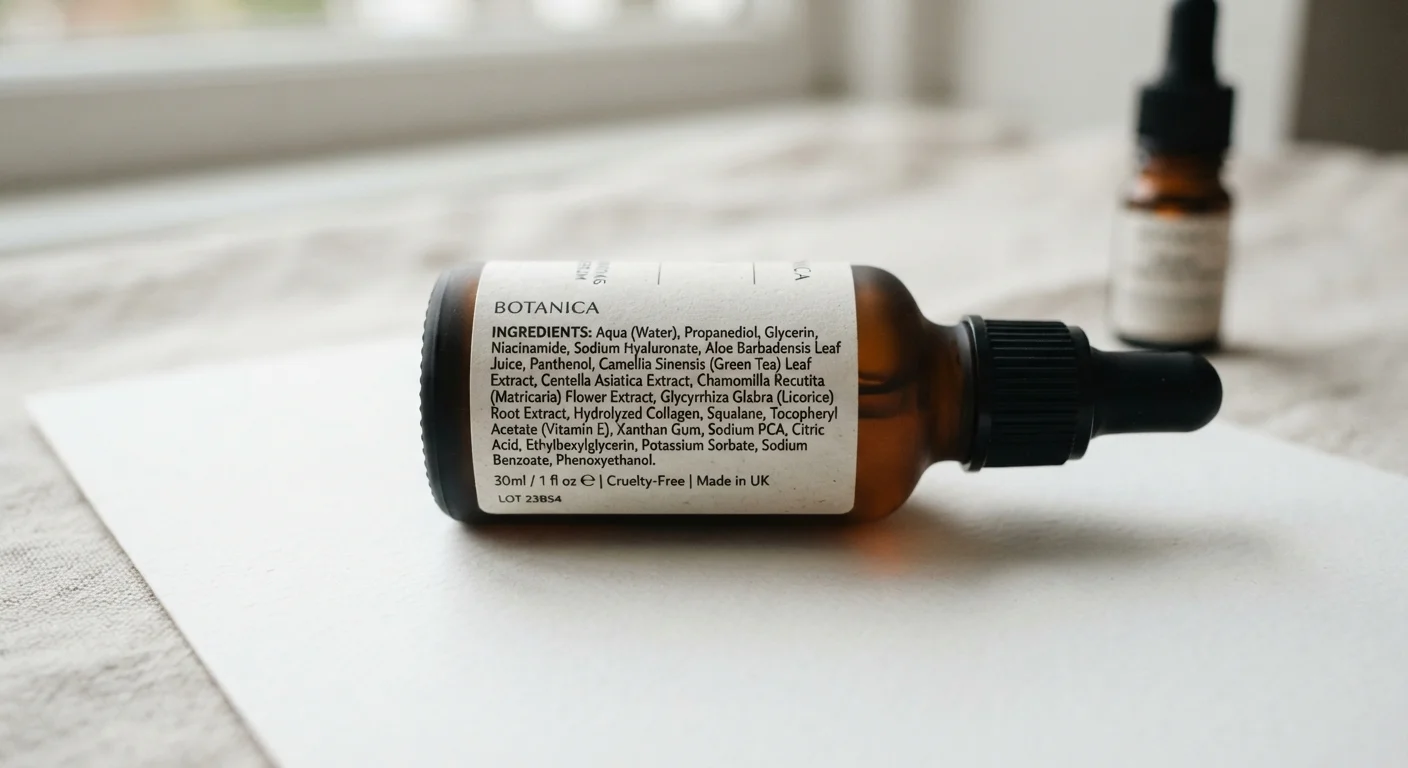
Poison ivy is natural. So is arsenic. The appeal of 'natural' skincare is understandable, but the assumption that plant-derived automatically means gentle or effective doesn't hold up scientifically. Many synthetic ingredients - such as niacinamide or certain peptides - are well-studied, stable, and effective at low concentrations. Conversely, some botanical extracts carry significant sensitization risk. What matters is whether an ingredient has evidence supporting its use at a given concentration in a given formulation.
Myth
Drinking more water will give you plumper, more hydrated skin.
Fact
Systemic hydration supports general health, but skin hydration is primarily governed by the skin barrier, not water intake.
Severe dehydration can make skin look dull and less elastic, but increasing water consumption beyond adequate daily intake has not been shown in clinical research to meaningfully improve skin appearance in well-hydrated individuals. Skin surface hydration depends far more on the integrity of the skin barrier - particularly its lipid content and natural moisturizing factors - than on how much water you drink. Topical humectants and barrier-supporting ingredients address this more directly.
Myth
Oily skin doesn't need moisturizer.
Fact
Oily and dehydrated are not the same thing - oily skin can still lack adequate surface moisture.
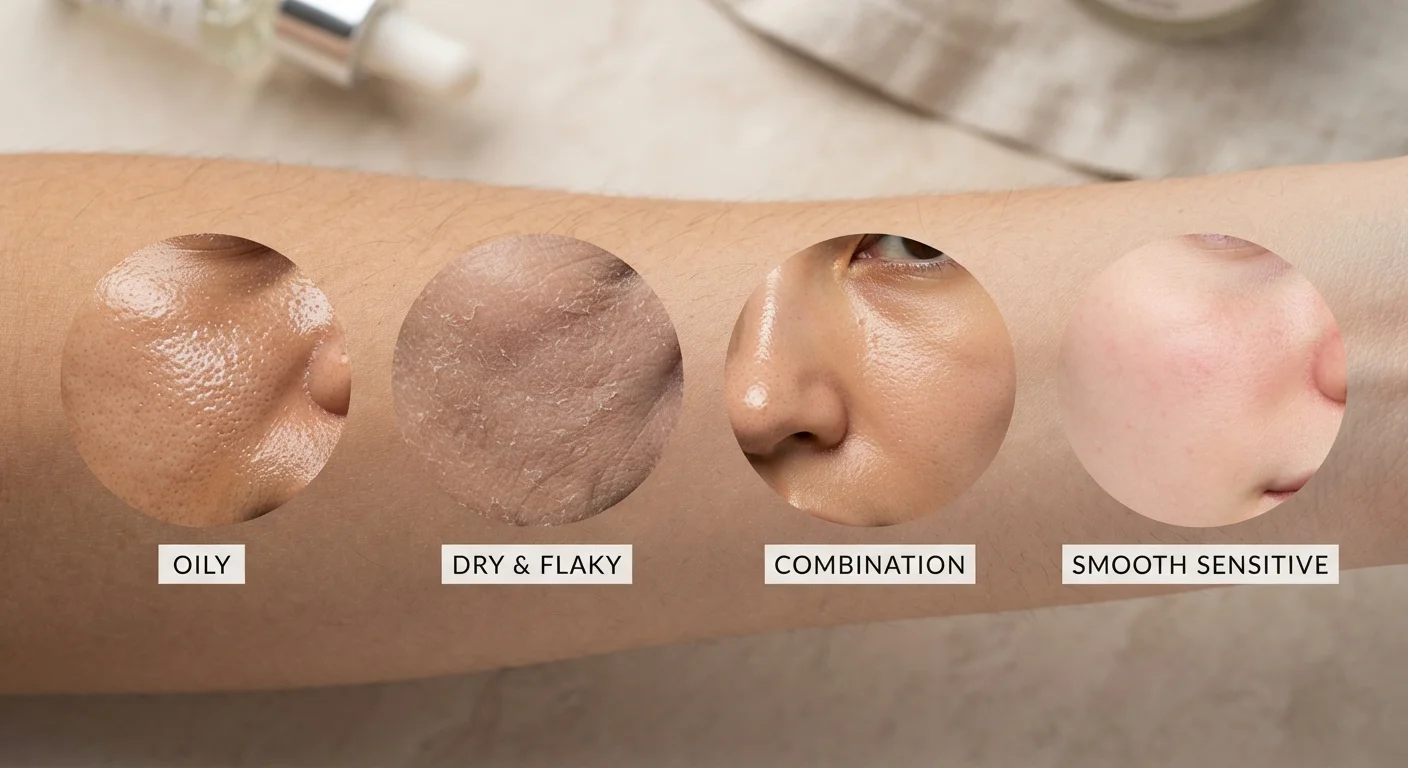
Sebum production and transepidermal water loss are distinct processes. Skin can overproduce oil while simultaneously losing water through a compromised barrier - a state sometimes called 'combination dehydration.' Skipping moisturizer, particularly after cleansing, can strip the skin and trigger compensatory sebum production. Lightweight, non-comedogenic moisturizers are generally appropriate for oily skin types and can help maintain barrier function without adding heaviness.
Myth
SPF 100 gives twice the protection of SPF 50.
Fact
The relationship between SPF numbers and UVB protection is not linear - SPF 50 blocks about 98% of UVB rays, while SPF 100 blocks roughly 99%.
SPF values measure how much UVB radiation reaches the skin relative to unprotected skin. SPF 30 filters approximately 97% of UVB rays, SPF 50 around 98%, and SPF 100 around 99%. The marginal difference between SPF 50 and SPF 100 is small, and no sunscreen blocks 100% of UV radiation. Application amount and reapplication frequency matter far more in practice than chasing very high SPF numbers. Broad-spectrum protection - covering both UVA and UVB - is an equally important consideration.
Myth
You only need to wear sunscreen when it's sunny outside.
Fact
UVA radiation penetrates cloud cover and glass, contributing to cumulative skin damage year-round.
UVB rays - responsible for sunburn - are stronger on clear days and at higher altitudes. But UVA rays, which penetrate more deeply and contribute to photoaging, are relatively constant throughout the year regardless of cloud cover or season. They also pass through window glass. This is why dermatologists widely recommend daily broad-spectrum sunscreen as a habit, not a weather-conditional one. Cumulative UV exposure over years is a key factor in photoaging and skin health.
What the Evidence Actually Supports
Stripping away misconceptions leaves room for practices that dermatological research does consistently support. Daily broad-spectrum sun protection is among the most robust recommendations in skincare science - the evidence for daily SPF use spans decades of peer-reviewed literature. Similarly, understanding whether your skin needs a humectant, an occlusive, or an emollient - rather than just any moisturizer - leads to more targeted choices. See the distinction between hydration and moisture for a clearer breakdown.
98%
UVB rays blocked by SPF 50 sunscreen
According to the Skin Cancer Foundation, SPF 50 filters approximately 98% of UVB rays when applied correctly and in sufficient quantity.
~55%
Of adults who believe natural skincare is always safer
Consumer surveys have consistently found a majority of adults equate 'natural' labeling with reduced risk, despite dermatological evidence that ingredient origin does not determine safety.
Ingredient awareness also matters. Fears about sulfates, parabens, and silicones often outpace what the research actually shows. What the scientific literature says about these ingredients is often more nuanced than the all-or-nothing framing common online. The same principle applies to cleansers: how cleansing oils, micellar water, and conventional soap interact with skin chemistry differs meaningfully, and the right choice depends on skin type and routine context.
For broader wellness context, self-care rituals with genuine evidence behind them offers a similarly grounded lens across the wellness space. Applying the same critical thinking to skincare routines - favoring consistency, simplicity, and evidence - tends to produce better long-term outcomes than chasing trending ingredients or elaborate multi-step regimens.
This article is for general informational and educational purposes only and does not constitute medical or dermatological advice. For concerns about your skin health, consult a qualified dermatologist or healthcare professional.