
Why the Evidence Matters in Self-Care
The self-care industry generates billions of dollars annually, and not all of it is backed by rigorous science. That does not mean every wellness ritual is a scam - far from it. Several practices that feel intuitive have meaningful bodies of research supporting them. The problem is that well-evidenced habits often share shelf space with products and rituals built almost entirely on anecdote, cultural romanticisation, or straightforward marketing. For a well-informed consumer, knowing how to distinguish between the two is genuinely useful.
This article does not argue that personal comfort or enjoyment is worthless - if a nightly bath helps you unwind, that experience has real value. What it does is separate the specific health claims made for certain rituals from what evidence actually shows. To understand why consistent rituals matter beyond the hype, see our guide to what wellness rituals actually are.
Myth
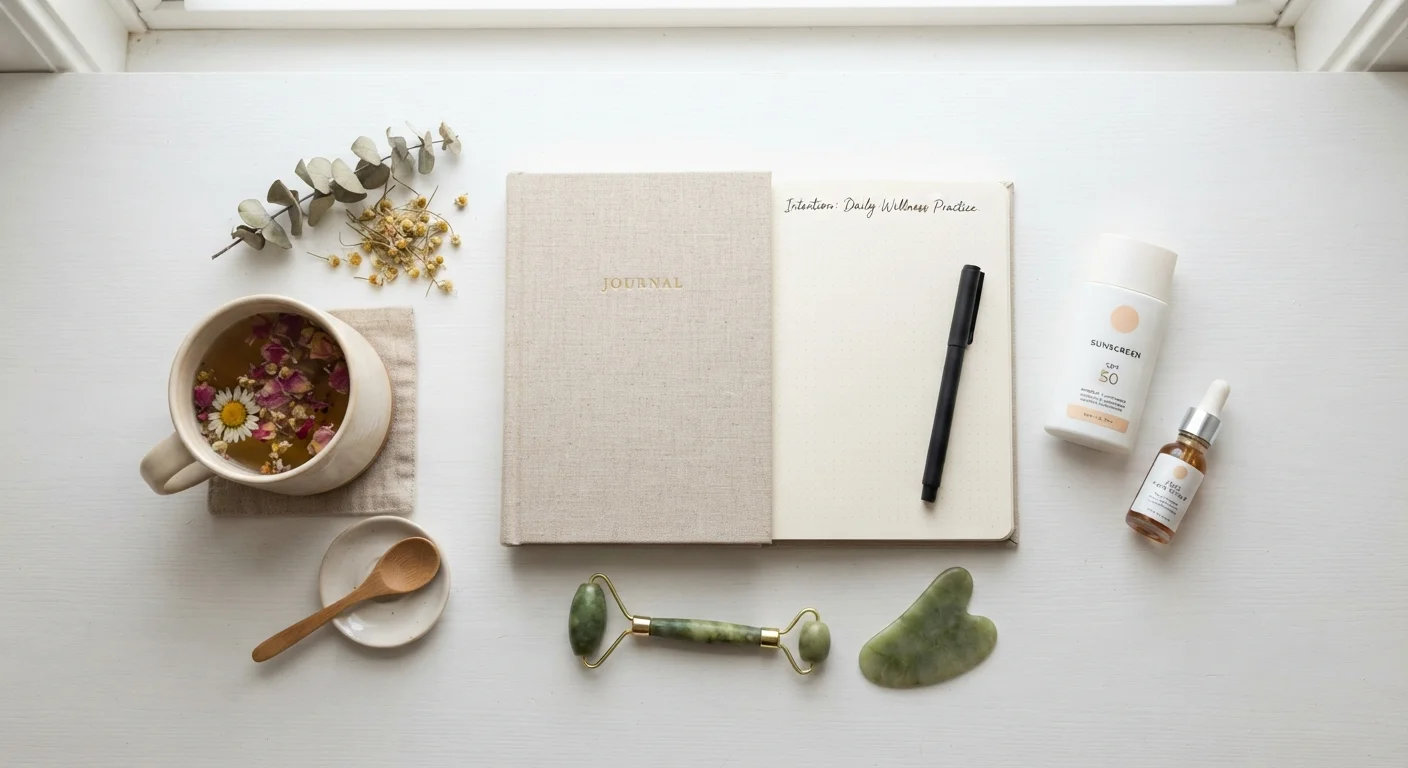
Jade rollers and gua sha tools reduce puffiness by draining lymphatic fluid from the face.
Fact
These tools may provide temporary, mechanical reduction in puffiness through light massage, but there is no clinical evidence they produce meaningful lymphatic drainage.
The lymphatic system does respond to gentle pressure, but a standardised facial massage - with or without a tool - has not been shown in clinical trials to produce drainage effects beyond what fingertip massage achieves. Any depuffing effect is likely due to the cooling temperature of the tool, improved circulation from massage, and fluid redistribution that resolves on its own. The tools are not harmful, but the specific lymphatic claim is not supported by published evidence.
Myth
Drinking large amounts of water gives you noticeably clearer, more hydrated skin.
Fact
Adequate hydration is important for overall health, but drinking water above your body's daily needs has not been shown to significantly improve skin appearance in people who are already adequately hydrated.
Several small studies have explored the skin-hydration-water-intake link, and while severe dehydration does impair skin elasticity, drinking excess water beyond normal needs does not reliably produce cosmetically visible improvements. Topical moisturisers, humectants like hyaluronic acid, and barrier-supporting ingredients have stronger evidence for improving skin hydration at the surface level. The '8 glasses a day' figure is itself not a scientifically derived standard.
Myth
Detox teas and juice cleanses support the body's ability to eliminate toxins.
Fact
In healthy individuals, the liver, kidneys, and digestive system handle detoxification without the need for supplementary 'cleansing' products.
The concept of a dietary 'detox' lacks a precise clinical definition, and no peer-reviewed evidence supports the claim that commercial cleanse products meaningfully accelerate or improve the body's own elimination pathways. Some herbal laxative ingredients found in these teas - such as senna - can cause gastrointestinal discomfort and may pose risks if used frequently. If you have concerns about liver or kidney function, that warrants a conversation with a healthcare professional, not a tea cleanse.
Myth
Mindfulness meditation is only beneficial for people with serious stress or anxiety disorders.
Fact
Research supports mindfulness practices as beneficial for a broad range of people, including those managing everyday stress, sleep disruption, and general emotional regulation.
Meta-analyses published in journals including JAMA Internal Medicine and Psychological Medicine have found that mindfulness-based interventions produce measurable reductions in self-reported stress and anxiety across general populations - not only clinical ones. Benefits appear most robust with consistent, moderate-duration practice (around 10-20 minutes daily over several weeks) rather than occasional longer sessions. For context on where mindfulness fits within the broader mental health picture, see self-care as a mental health practice.
Myth
Natural or 'clean' beauty ingredients are automatically safer and more effective than synthetic ones.
Fact
Ingredient safety and efficacy are determined by formulation, concentration, and individual skin response - not by whether an ingredient is derived from natural or synthetic sources.
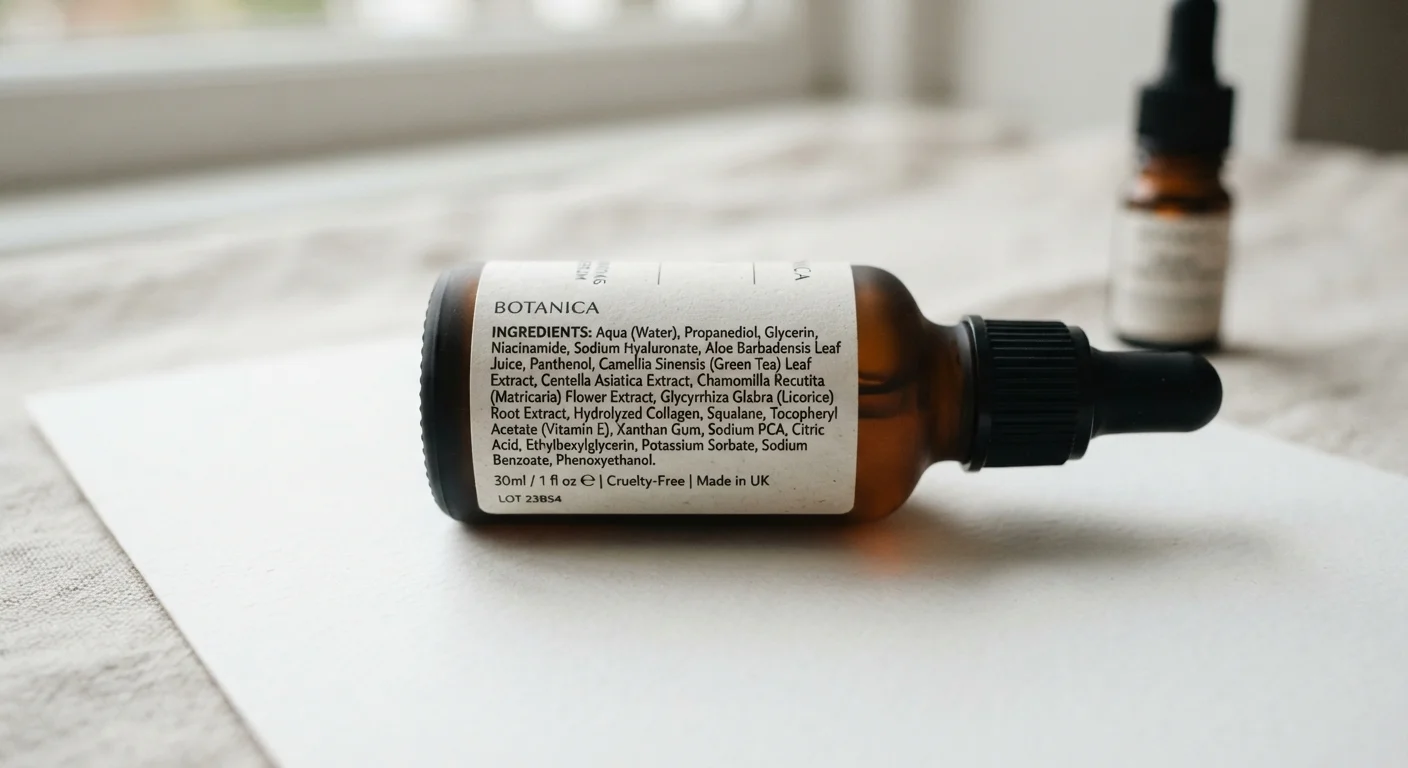
Some of the most well-evidenced skincare actives - including niacinamide and certain forms of retinol - are synthesised in labs. Conversely, a number of botanical extracts cause documented allergic reactions or photosensitivity in certain skin types. Dermatologists and cosmetic chemists consistently note that 'natural' is a marketing category, not a safety or efficacy standard. Patch testing and attention to known sensitivities matter regardless of ingredient origin.
What the Research Consistently Supports
Several self-care practices have accumulated substantial, peer-reviewed support. Consistent sleep hygiene is perhaps the most evidence-dense category: maintaining a regular sleep schedule, limiting blue-light exposure before bed, and keeping the sleep environment cool and dark are linked to improved cognitive function, mood regulation, and immune response. The relationship between sleep and mental health specifically is explored in depth in the research on sleep and mental health.
Mindfulness-based practices, including structured meditation and breathwork, have been studied extensively. Meta-analyses in clinical psychology journals find moderate-to-strong effects on stress reduction, anxiety symptoms, and emotional regulation, particularly when practiced regularly over weeks rather than sporadically. Physical movement - even low-intensity forms like walking - has robust support for mood improvement via endorphin and BDNF (brain-derived neurotrophic factor) pathways.
~40%
US adults reporting regular insufficient sleep
The CDC has estimated that a substantial proportion of US adults regularly sleep fewer than the recommended 7 hours per night, highlighting sleep hygiene as a widespread public health concern.
moderate-to-strong
Evidence grade for mindfulness on stress reduction
A frequently cited meta-analysis in JAMA Internal Medicine found moderate evidence that mindfulness meditation programs improve anxiety, depression, and pain outcomes across diverse populations.
Dermatologist-supported skincare basics - daily broad-spectrum SPF, a consistent gentle cleanser, and a moisturiser suited to your skin type - also fall firmly in the evidence-supported column. For a deeper look at what core skincare science actually shows, the skincare myths fact-check is a useful companion read.
Self-Care Does Not Replace Medical Care
Evidence-backed self-care rituals can meaningfully support well-being, but they are not substitutes for professional diagnosis or treatment. If you are managing a health condition, mental health concern, or unusual physical symptoms, please consult a qualified healthcare professional. No wellness ritual - however well-evidenced - should be used to delay or avoid necessary care.
Practices Where Evidence Is Thin or Overstated
A number of popular rituals carry specific health claims that outpace available evidence. This does not make them harmful in most cases - but it does mean the marketed benefits should be treated with appropriate skepticism.
Watch for Exaggerated Health Claims
When a self-care product promises to 'detoxify,' 'reset,' 'balance hormones,' or 'reverse aging,' these claims are rarely supported by clinical evidence and are not regulated as medical claims in most contexts. Scrutinise the source: peer-reviewed research, dermatologist consensus, and established clinical guidelines carry far more weight than testimonials, influencer endorsements, or brand-sponsored studies. A practice can be enjoyable and low-risk while still having unproven specific claims.
Detox teas and 'cleansing' supplements are perhaps the most prominent example. The liver and kidneys manage the body's detoxification processes continuously and effectively in healthy individuals; no herbal tea has been demonstrated in high-quality trials to meaningfully accelerate this. Some ingredients in these products - senna, for instance - carry documented risks at high or prolonged doses.
The wellness space has also expanded into global traditions, and while many hold genuine cultural and personal value, their specific therapeutic claims sometimes lack the clinical validation that popular marketing implies. Our reference on wellness rituals across cultures explores this with appropriate nuance. If you are thinking about what to actually build into a sustainable routine, designing a ritual from first principles offers a grounded framework.
This article is for general informational and educational purposes only and does not constitute medical advice. Always consult a qualified healthcare professional before making changes to your health or wellness routine, particularly if you have an existing condition or are taking medication.