
Why the Confusion Exists
In everyday language, "hydration" and "moisture" are used interchangeably - a moisturizer is expected to hydrate, and hydrating products are assumed to be moisturizing. In skincare science, however, these terms describe distinct biological processes. Conflating them can lead to choosing products that don't actually address what your skin needs.
The confusion is compounded by marketing, which often uses both terms loosely. Understanding what's happening at the skin-cell level makes it much easier to read ingredient labels with purpose. For a broader look at how skincare claims sometimes diverge from evidence, see our breakdown of persistent skincare myths.
Dry Skin Type vs. Dehydrated Skin Condition
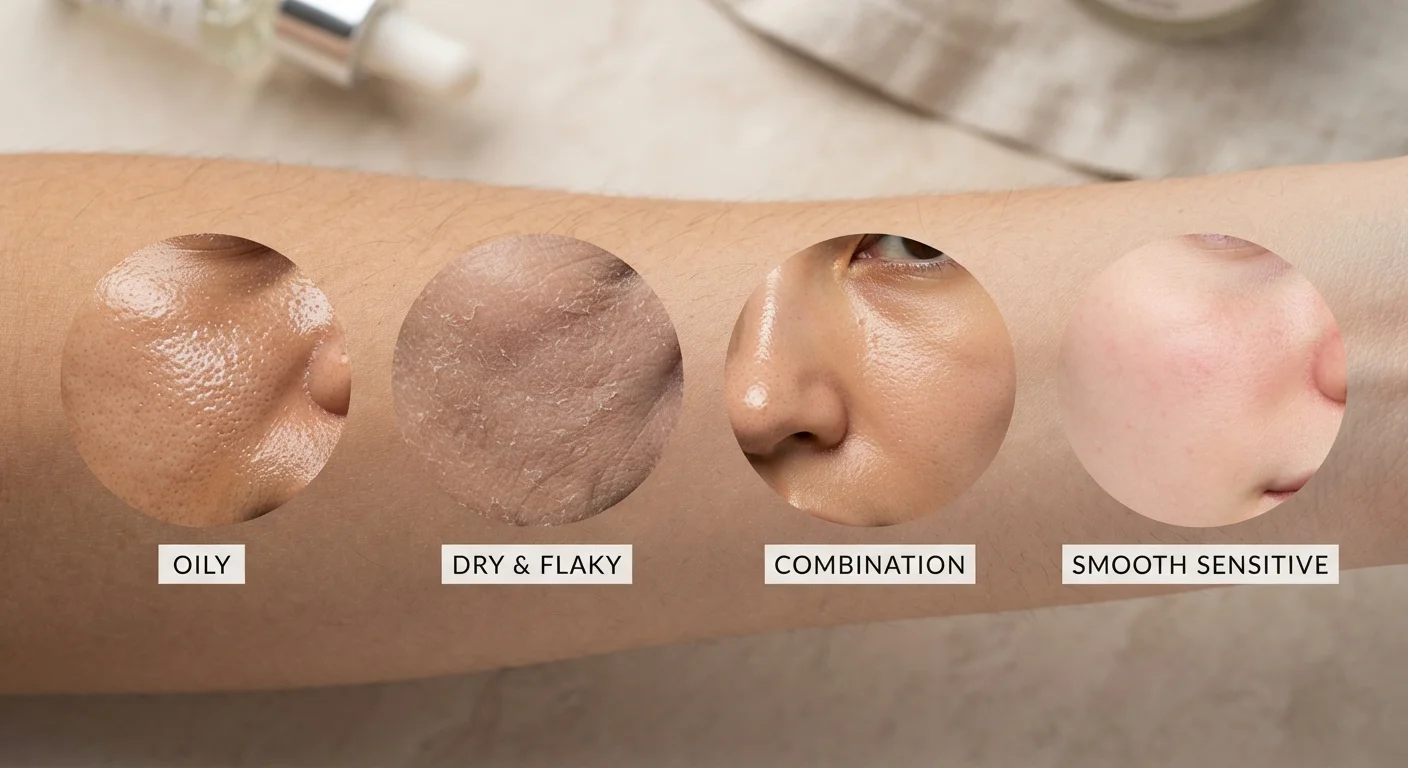
"Dry" and "dehydrated" describe different things. Dry skin is a skin type - a genetic tendency to produce less sebum - and is relatively stable over time. Dehydrated skin is a temporary condition that can affect any skin type, including oily skin, and is influenced by environment, diet, product use, and skin barrier integrity. The distinction matters because they call for different product strategies.
What Hydration Actually Means for Skin
Skin hydration refers specifically to the water content inside skin cells - particularly in the stratum corneum, the outermost layer of the epidermis. When this layer contains adequate water, skin appears plump, smooth, and more even in tone. When it's depleted, skin can look dull and feel tight or uncomfortable, even if oil production is perfectly normal.
The primary ingredients that address hydration are humectants. These molecules work by attracting water - drawing it from the environment or from deeper skin layers - into the surface cells. Well-known humectants include hyaluronic acid, glycerin, urea, and aloe vera. Notably, oily or combination skin types can still experience dehydration, because oil content and water content are independent variables.
~30%
Ideal water content of the stratum corneum
Dermatological research suggests the outermost skin layer functions optimally when its water content sits around 30%; below 10% is associated with visible dryness and impaired barrier function.
2-3 layers
Depth of humectant activity in skin
Topically applied humectants primarily act within the uppermost layers of the epidermis, which is why consistent, daily application matters more than a single intensive treatment.
What Moisture Means - and How the Skin Barrier Fits In
Moisture, in a skincare context, refers to the lipid (oil) content that forms a protective film across the skin's surface. This film - part of what's called the skin barrier - slows transepidermal water loss (TEWL), the natural process by which water evaporates through the skin. A compromised barrier means water escapes faster than it can be replenished, regardless of how much hydrating product is applied.
Ingredients that support moisture fall into two categories: occlusives (such as petrolatum, dimethicone, and waxes), which physically seal the surface, and emollients (such as squalane, shea butter, and plant oils), which fill gaps between skin cells and soften texture. Understanding the barrier in full context is worthwhile - our practical skin barrier primer covers the mechanism in plain language.
Apply Humectants to Damp Skin
For best results, apply humectant-rich serums or toners to skin that is slightly damp rather than fully dry. This gives the humectant molecules water to work with immediately, rather than drawing moisture up from deeper skin layers. Follow with an emollient or occlusive moisturizer to seal in what you've delivered.
Putting It Together: What Your Skin Actually Needs
Many people need both hydration and moisture support - and in fact, most well-formulated moisturizers combine humectants, emollients, and occlusives to address both. The challenge is identifying which concern is more dominant for your skin at any given time.
- Dehydrated skin: looks dull, feels tight, fine lines appear more visible - reach for humectant-rich serums or essences.
- Dry skin: flakes, feels rough, lacks sheen - focus on emollients and occlusives in a richer cream format.
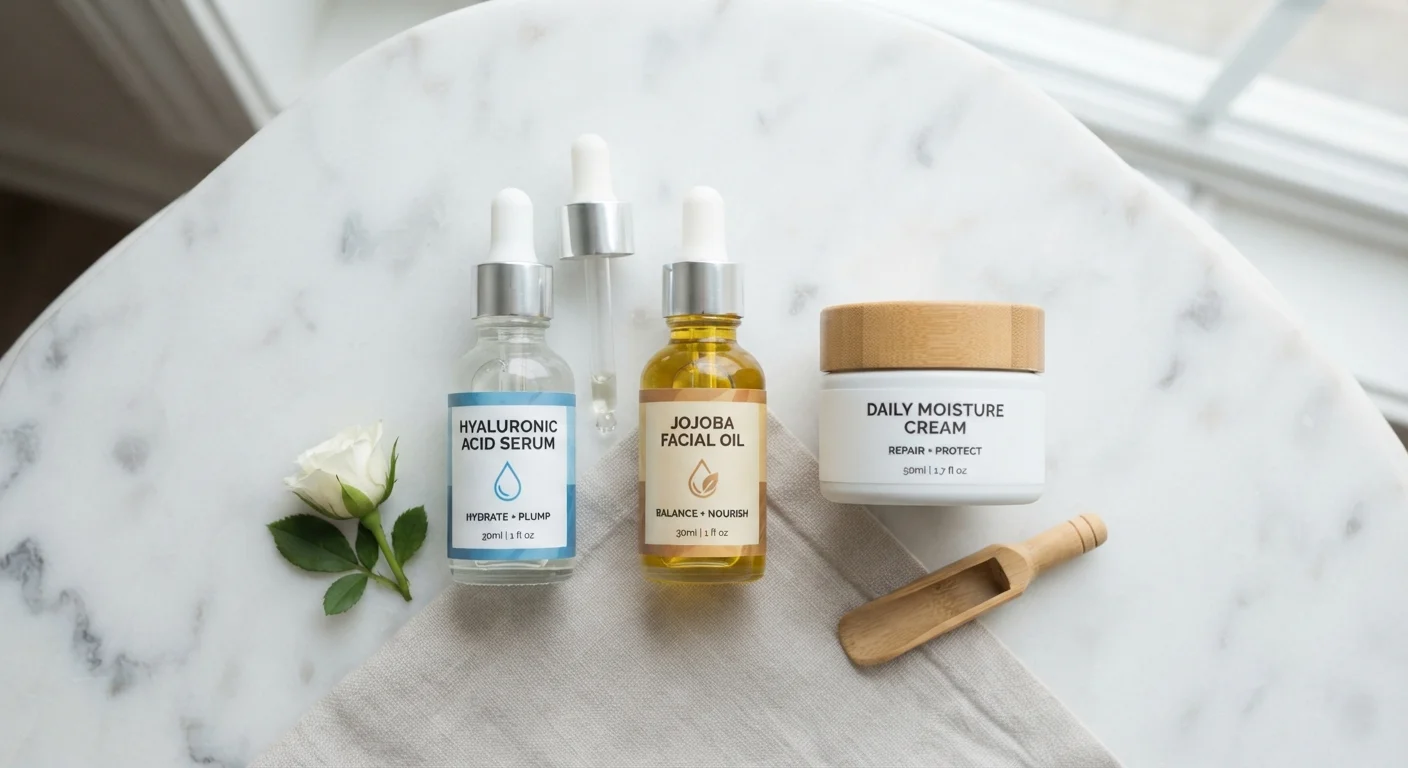
- Both concerns: layer a hydrating serum (applied to slightly damp skin for optimal humectant function) followed by a moisturizer to seal it in.
Layering order matters because occlusives applied before humectants can impede the latter's ability to draw water into the skin. The general principle - thinnest to thickest - reflects this functional logic rather than arbitrary convention.
This article is for informational purposes only and does not constitute medical or dermatological advice. If you have concerns about your skin health, please consult a qualified dermatologist or healthcare professional.