
What the Skin Barrier Actually Is
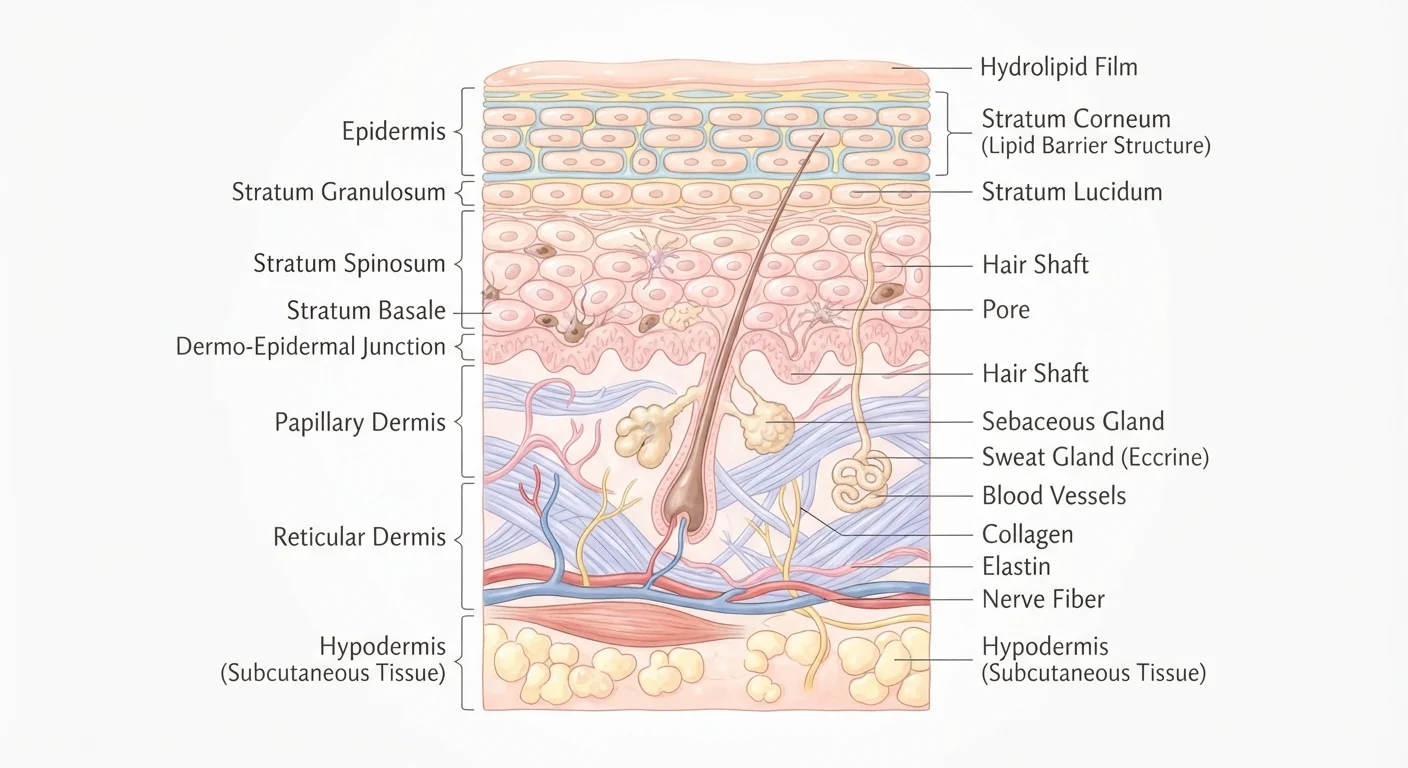
The skin barrier is not a single film sitting on the surface - it is a sophisticated biological structure. The stratum corneum, its outer layer, consists of flattened dead skin cells arranged in overlapping rows and sealed together by a carefully balanced mix of lipids: ceramides (roughly 50%), cholesterol (25%), and free fatty acids (15%). This 'brick and mortar' architecture is what gives the barrier its dual protective function.
Beneath this sits the acid mantle - a thin film formed by sebum, sweat, and natural moisturising factors (NMFs) - which maintains the skin's slightly acidic pH. This acidity is hostile to many pathogens and helps key enzymes regulate healthy skin cell turnover. When either the lipid structure or the pH balance is disrupted, the entire system becomes less effective.
For a broader plain-language overview of how this system operates across the whole body, see this practical skin barrier primer.
Why Barrier Integrity Matters for Everyday Skin Health
A healthy barrier does two things simultaneously: it limits TEWL (transepidermal water loss) and prevents the inward passage of irritants, allergens, and microorganisms. When the barrier is intact, skin appears plump, calm, and resilient. When it is compromised, the consequences compound quickly.
~50%
Ceramide proportion of skin's lipid barrier
Ceramides make up approximately half of the lipid matrix in the stratum corneum, according to dermatological research on skin composition.
4.5-5.5
Optimal skin surface pH range
Dermatology literature consistently identifies this mildly acidic pH window as optimal for barrier enzyme function and microbial defence.
Up to 30x
Increased water loss with compromised barrier
Studies in patients with atopic dermatitis have documented TEWL rates many times higher than in individuals with intact barrier function.
Clinically, barrier dysfunction is implicated in conditions such as atopic dermatitis (eczema), psoriasis, and rosacea. But even without a diagnosable condition, a mildly weakened barrier explains why some people experience persistent dryness, sensitivity to products they once tolerated, or skin that stings after washing. The barrier is not a static structure - it responds dynamically to environmental stress, lifestyle, and the products applied to it.
It's also worth understanding that barrier function is closely tied to inflammation. A disrupted barrier triggers an immune response, which can manifest as redness and reactive skin - a cycle that becomes self-reinforcing if the underlying structural damage isn't addressed first.
The Most Common Ways the Barrier Gets Damaged
Understanding what compromises the barrier is as important as knowing how to support it. Several well-documented factors accelerate barrier degradation:
- Over-cleansing or harsh surfactants: High-pH cleansers and foaming agents can strip the lipid matrix, raising skin pH and reducing ceramide levels.
- Excessive exfoliation: Both physical scrubs and chemical exfoliants (AHAs, BHAs) used too frequently accelerate desquamation faster than the skin can replace its protective cells.
- UV exposure: Ultraviolet radiation degrades lipids and proteins in the stratum corneum. Daily SPF use is one of the most evidence-backed steps for long-term barrier preservation.
- Cold, dry air and low humidity: Environmental conditions accelerate TEWL, particularly in winter months.
- Fragrance and alcohol: Common sensitisers in skincare formulations that can trigger inflammatory responses in compromised skin.
Signs Your Routine Is Barrier-Friendly
After cleansing, your skin should feel comfortable - not tight, squeaky, or stripped. If you regularly experience stinging when applying serums or moisturisers, that is a signal worth taking seriously. Scaling back actives and focusing on gentle, lipid-replenishing products for two to four weeks is a practical reset that many dermatologists recommend before reassessing.
Interestingly, the concept of barrier vulnerability has useful parallels in hair care. Hair porosity - the hair's ability to absorb and retain moisture - follows a structurally similar logic to the skin's moisture retention mechanisms.
How to Support and Restore Your Skin Barrier
Before layering in active ingredients - retinoids, vitamin C, exfoliants - a functional barrier needs to be established. This is not about brand selection; it is about ingredient categories and routine structure.
Prioritise ceramide-containing moisturisers. Ceramides are the dominant lipid in the barrier and can be depleted by environmental stress and ageing. Topical ceramides have demonstrated clinical support for barrier repair, particularly in people with eczema-prone skin.
Use a gentle, low-pH cleanser. A cleanser that respects the acid mantle (pH around 5.5) minimises lipid stripping. Avoiding double-cleansing with strong formulas, especially in the morning when the barrier has had time to recover overnight, is a sensible adjustment many dermatologists recommend.
Apply occlusive or emollient moisturisers on damp skin. This practice reduces TEWL by sealing in hydration before it evaporates. Ingredients like petrolatum, shea butter, and squalane serve this function effectively.
Scale back actives during recovery periods. If skin is reactive or compromised, temporarily reducing exfoliant frequency and avoiding high-concentration retinoids gives the barrier time to rebuild. Once stability returns, actives can be reintroduced gradually.
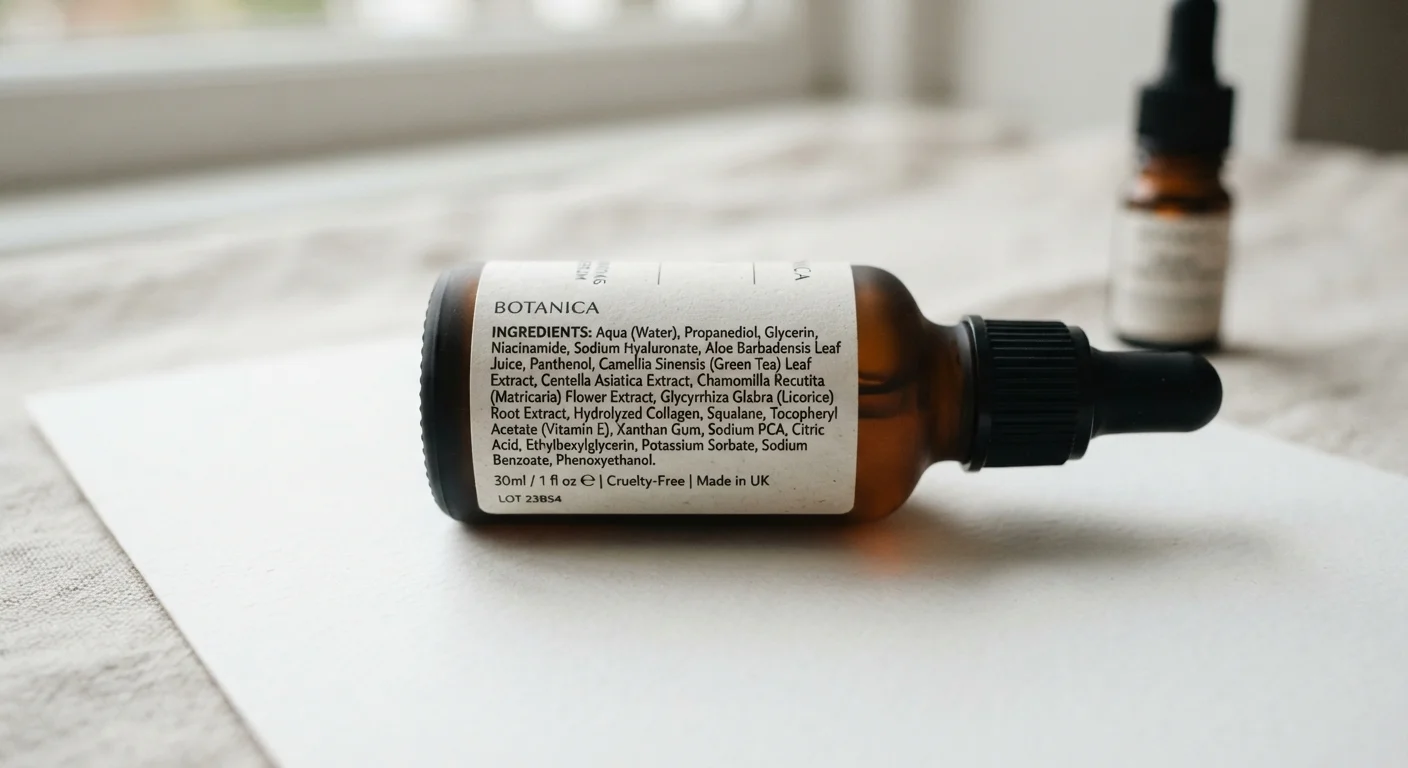
Understanding what ingredients actually appear in your products - and at what concentrations - is a practical skill worth developing. Reading a skincare ingredient label can help you identify whether a formula truly supports barrier health or simply makes that claim on the packaging.
This article is for general informational and educational purposes only and is not a substitute for professional medical or dermatological advice. If you are experiencing persistent skin concerns, consult a qualified healthcare provider.