
Why These Ingredients Became Controversial
Few ingredient categories have attracted more online debate than sulfates, parabens, and silicones. Social media amplified early-stage research, ingredient-fear marketing, and anecdotal reports into something that reads like consensus - but often isn't. Understanding what peer-reviewed literature and regulatory bodies actually conclude helps consumers make informed choices without unnecessary anxiety.
If you want a deeper foundation for evaluating any formula, our guide on reading an ingredient list on a shampoo or conditioner is a practical starting point. And for a broader look at persistent misconceptions in skincare, see our roundup of skincare myths that persist despite the evidence.
Myth
Sulfates are harmful chemicals that should be avoided by everyone.
Fact
Sulfates are well-studied surfactants considered safe for cosmetic use by major regulatory bodies; their drawbacks are about efficacy for certain hair types, not toxicity.
Sodium lauryl sulfate (SLS) and sodium laureth sulfate (SLES) are anionic surfactants - they lift oil and debris from the scalp efficiently. The US Food and Drug Administration and the European Commission's Scientific Committee on Consumer Safety both classify them as safe at concentrations used in rinse-off products.
The legitimate concern is functional, not toxic: sulfates can disrupt the lipid barrier in people with a dry, sensitive, or compromised scalp, and they accelerate color fade in chemically treated hair. For people with coarse, curly, or very dry hair, a gentler surfactant (such as cocamidopropyl betaine or sodium cocoyl isethionate) may better preserve moisture balance. The decision to avoid sulfates should be based on your hair and scalp profile - not fear of harm.
Myth
Parabens cause cancer and should be eliminated from all personal care products.
Fact
Current evidence does not establish a causal link between cosmetic paraben exposure and cancer in humans; regulatory agencies continue to permit most parabens at established safe concentrations.
The paraben controversy gained traction after a 2004 study detected parabens in breast tumor tissue. What that study did not - and could not - demonstrate was causation. Detecting a substance in tissue is not evidence that it caused disease; many compounds accumulate in tissue without adverse effect.
Parabens are weak estrogen mimics (xenoestrogens), and this estrogenic activity has been studied extensively. Regulatory bodies including the FDA and the EU's SCCS have concluded that methylparaben and ethylparaben pose no risk at current use levels, though butylparaben and propylparaben face tighter scrutiny and are restricted or banned in some markets for leave-on products for infants. The science is still developing, and it is reasonable to stay informed - but the leap from "under investigation" to "proven harmful" is not supported by current evidence.
Myth
Silicones suffocate the scalp and block hair follicles, causing hair loss.
Fact
Silicones used in hair products do not penetrate the skin or occlude follicles at levels that cause harm; buildup is a manageability issue, not a health risk.
Silicones such as dimethicone and cyclomethicone coat the hair shaft, reducing friction, adding slip, and temporarily improving the appearance of damaged strands. Their molecular size generally prevents them from penetrating the skin barrier or blocking follicles in a clinically meaningful way at normal cosmetic use levels.
The real-world issue is product buildup. Non-water-soluble silicones (like dimethicone) accumulate on the hair shaft over repeated applications, eventually weighing hair down and reducing moisture absorption from conditioning treatments. This is why users of silicone-heavy products benefit from periodic clarifying washes. This is a performance and texture concern - not a safety one. Water-soluble silicones (such as PEG-modified silicones) rinse out more readily and present even less buildup potential.
Myth
"Free from" labels mean a product is safer or better for your health.
Fact
"Free from" is a marketing claim, not a safety certification; the absence of one ingredient does not automatically make a formulation safer or more effective.
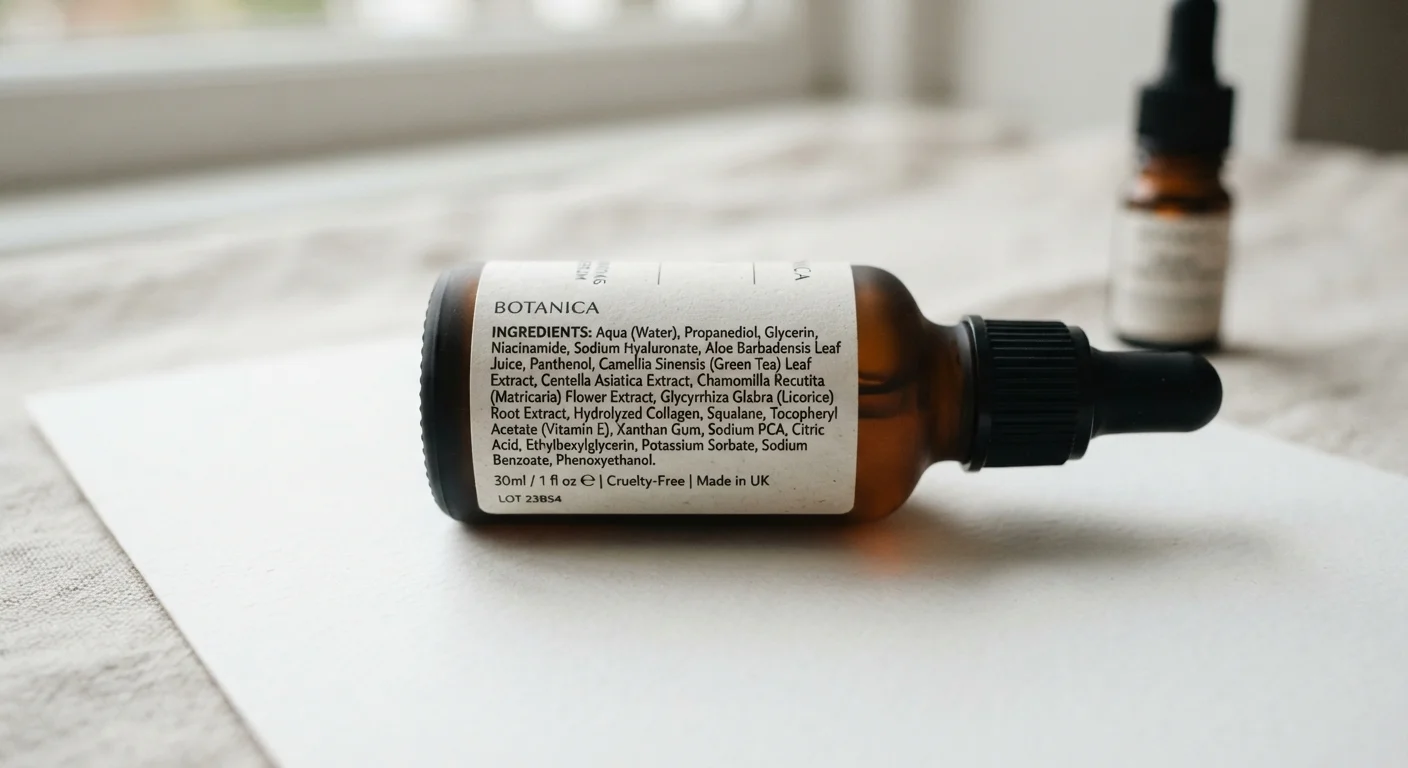
When a formulation removes a preservative like a paraben, something else must prevent microbial growth. Alternatives such as phenoxyethanol, methylisothiazolinone (MIT), or certain essential oils carry their own sensitization profiles - in some cases higher than the ingredients they replaced. MIT, for example, has been flagged by the SCCS as a significant contact allergen at concentrations used in leave-on products.
Similarly, replacing sulfates with "natural" surfactants doesn't guarantee gentleness; some plant-derived surfactants have comparable or higher irritation potential depending on concentration and formulation pH. Evaluating a product's full ingredient list and how it performs for your specific needs is more meaningful than any single "free from" claim. Our article on fragrances in personal care covers a similar dynamic with fragrance substitutes.
Putting the Evidence in Context
The science on these ingredients is more nuanced than either blanket dismissal or full endorsement. Sulfate sensitivity is real for certain hair and scalp types; parabens remain under active (if inconclusive) scientific scrutiny at high doses; and silicone buildup is a real-world texture concern - just not a toxicological one. Context, concentration, and individual physiology all matter.
~0.01-0.3%
Typical paraben concentration in cosmetics
The EU's Scientific Committee on Consumer Safety notes that individual paraben use in cosmetics typically falls well below established no-observed-adverse-effect thresholds.
Over 50 years
Duration of paraben use in cosmetics
Parabens have been used as preservatives in food, pharmaceutical, and cosmetic products since the 1950s, building a substantial safety dataset.
~1,000+
Silicone variants in commercial use
The silicone family covers a wide range of molecular weights and solubility profiles, meaning blanket conclusions about the entire class are rarely accurate.
It also helps to keep perspective on how these debates fit into the wider ingredient conversation. The same principles of evidence-based evaluation apply to actives like retinols and AHAs - explored in detail in our article on when actives like retinol and vitamin C actually earn their place. And if you're navigating multiple ingredients at once, our article on ingredient interactions that can irritate your skin covers combinations worth watching.
Don't Rely Solely on Marketing Claims
Terms like "clean," "non-toxic," and "free from" are not regulated definitions in US personal care labeling. They are marketing language, not safety certifications. A product can carry these labels while containing ingredients with higher sensitization potential than what was removed. Reading the full ingredient list remains the most reliable approach - our ingredient list guide can help you do this with confidence.
This article is for general informational purposes only and does not constitute medical or dermatological advice. Consult a qualified healthcare or skincare professional for concerns specific to your skin or scalp health.