
What Makes a Repositioning Cruise Different
Most cruise itineraries are loops: a ship departs a home port, visits a series of destinations, and returns to where it started. Passengers fly home from the same city they flew into. Repositioning cruises break that pattern entirely.
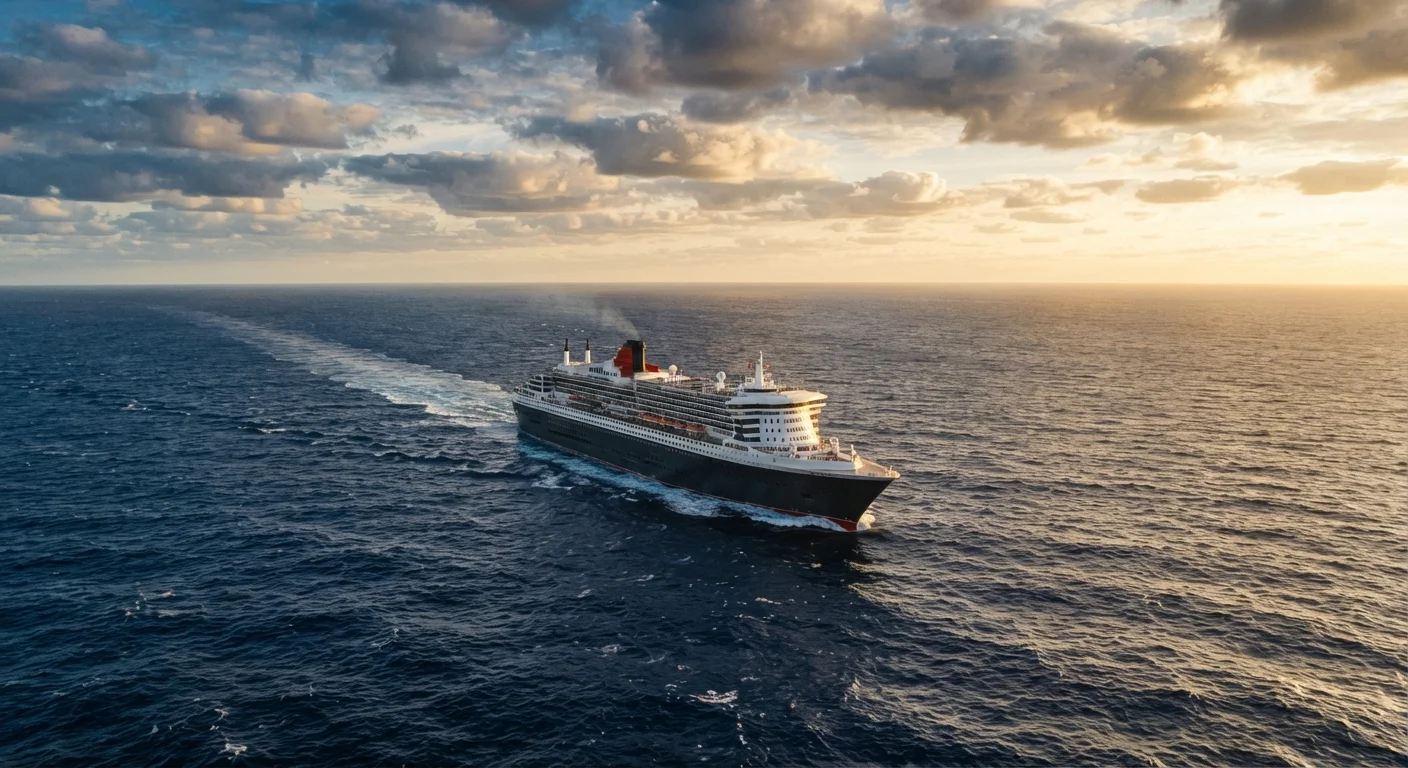
These are point-to-point voyages - the maritime equivalent of a one-way flight. A ship that spent winter operating Caribbean itineraries out of Fort Lauderdale, for instance, might sail to Barcelona in April to begin a summer Mediterranean season. That crossing is a repositioning cruise, and it's available for passengers to book. For context on how different cruise formats compare broadly, see River Cruise vs. Ocean Cruise.
The defining features of a repositioning cruise are directional travel, an abundance of sea days, and the practical requirement for passengers to arrange independent return transportation. These aren't incidental details - they shape the entire experience.
14-30
Typical voyage length in nights
Most repositioning sailings run in this range, with transatlantic crossings at the shorter end and transpacific routes often exceeding 20 nights.
2x
Approximate sea-to-port day ratio
On many transatlantic repositioning voyages, sea days outnumber port days by roughly two to one or more, depending on the specific route.
Spring & Fall
Peak repositioning seasons
The majority of repositioning sailings occur in April-May and October-November, when cruise lines rotate fleets between seasonal deployment regions.
The Sea Day Reality
On a standard 7-night Caribbean sailing, a traveler might visit four or five ports with only one or two days at sea. A transatlantic repositioning cruise covering the same number of nights might include just one or two port stops - the rest is open ocean.
For some travelers, that's the appeal. Extended sea days allow passengers to settle into the ship's rhythms: morning lectures, afternoon trivia, reading on deck, evening performances. The shipboard experience itself becomes the destination rather than a vehicle between ports.
For others, the lack of port variety is a dealbreaker. If your primary motivation for cruising is destination exploration, a repositioning voyage may leave you restless by day five. Understanding what's in an itinerary before booking matters significantly - Reading a Cruise Itinerary breaks down how to interpret those schedules accurately.
Assess Your Sea Day Tolerance Before Booking
Before committing to a repositioning cruise, honestly evaluate how you've felt on previous sea days - not just whether you enjoyed them, but whether you'd welcome five or six in a row. Review any itinerary's sea day count explicitly rather than estimating from port listings. This single factor determines whether a repositioning voyage feels liberating or monotonous.
Common Routes and Timing
The most widely available repositioning cruises for US travelers fall into a few predictable seasonal patterns:
- Transatlantic (westbound, fall): Ships leaving Europe in October-November, returning to Caribbean or Florida home ports for winter season.
- Transatlantic (eastbound, spring): Ships departing the US in April-May, heading to Mediterranean ports for summer.
- Pacific crossings: Ships moving between Hawaii, Alaska, or the US West Coast and Asia or Australia, typically in spring or fall.
- Panama Canal repositioning: Ships transiting between the Atlantic and Pacific as part of fleet movement - these often make for particularly layered itineraries. See Panama Canal Cruises for route context.
Specific port stops vary by line and sailing year. Azores, Bermuda, Canary Islands, and Madeira appear frequently on transatlantic routes as mid-ocean waypoints.
Fare Structure and the One-Way Logistics Problem
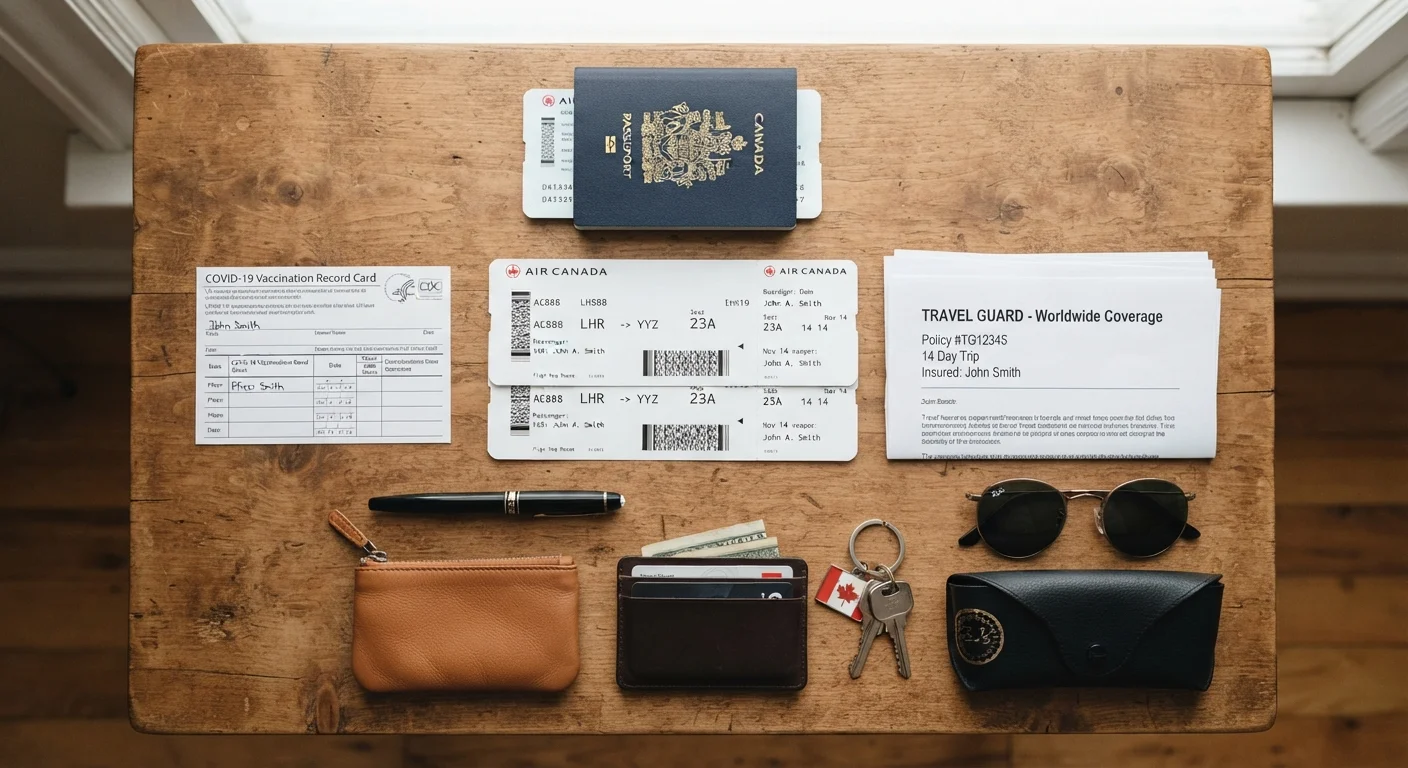
Repositioning fares are often lower per night than comparable loop sailings, a reflection of supply and demand rather than lower quality. The challenge is that passengers sailing one-way face a logistical gap: they arrive in a city far from home with no return ship. That requires a separate flight home, booked independently.
For a traveler flying from New York to Fort Lauderdale to board a ship to Barcelona, then flying home from Barcelona, the airfare can partially or fully offset the cabin fare savings. The economics depend heavily on when you book, which direction you're traveling, and your flexibility with home airport.
It's worth factoring travel insurance into the total cost calculation - not just the cruise fare. Extended voyages crossing open ocean carry different risk profiles than short Caribbean loops, and coverage terms vary substantially by provider and policy type.
Who These Voyages Actually Suit
Repositioning cruises are not universally appealing, and that's not a criticism of either the format or the traveler. They suit a specific set of circumstances and preferences:
- Retirees or remote workers with schedule flexibility who can book last-minute or take extended time away
- Experienced cruisers who have already explored typical Caribbean or Mediterranean loops and want something structurally different
- Passengers who genuinely enjoy sea days rather than tolerating them between ports
- Travelers combining the cruise with a longer trip - using the ship as one leg of a broader international itinerary
Families with children, travelers with limited vacation days, or anyone prioritizing port-heavy itineraries will likely find standard loop cruises a better fit. For group or multigenerational travel specifically, Cruising with Different Age Groups offers useful framing.
Packing for a 20-day open-ocean voyage also warrants careful thought - the mix of formal evenings, casual sea days, and variable weather requires a different approach than a 7-night Caribbean loop. Cruise Packing Pitfalls addresses common mistakes worth avoiding.
“The pleasure of a long sea passage is not in the ports - it's in learning to live differently for a while. Time on the open ocean resets something in the traveler that no port can.”
— Peter Nichols, Author and offshore sailor, writing on extended ocean voyaging