
Why Cruise Packing Errors Are So Common - and So Avoidable
Cruising occupies an unusual place in travel planning: it's part resort stay, part international trip, and part port-hopping adventure - sometimes all within a single week. That complexity makes packing decisions genuinely harder than for a standard hotel-based vacation. Travelers are essentially preparing for multiple environments simultaneously: formal dining rooms, tropical beaches, air-conditioned interiors, and culturally distinct shore stops.
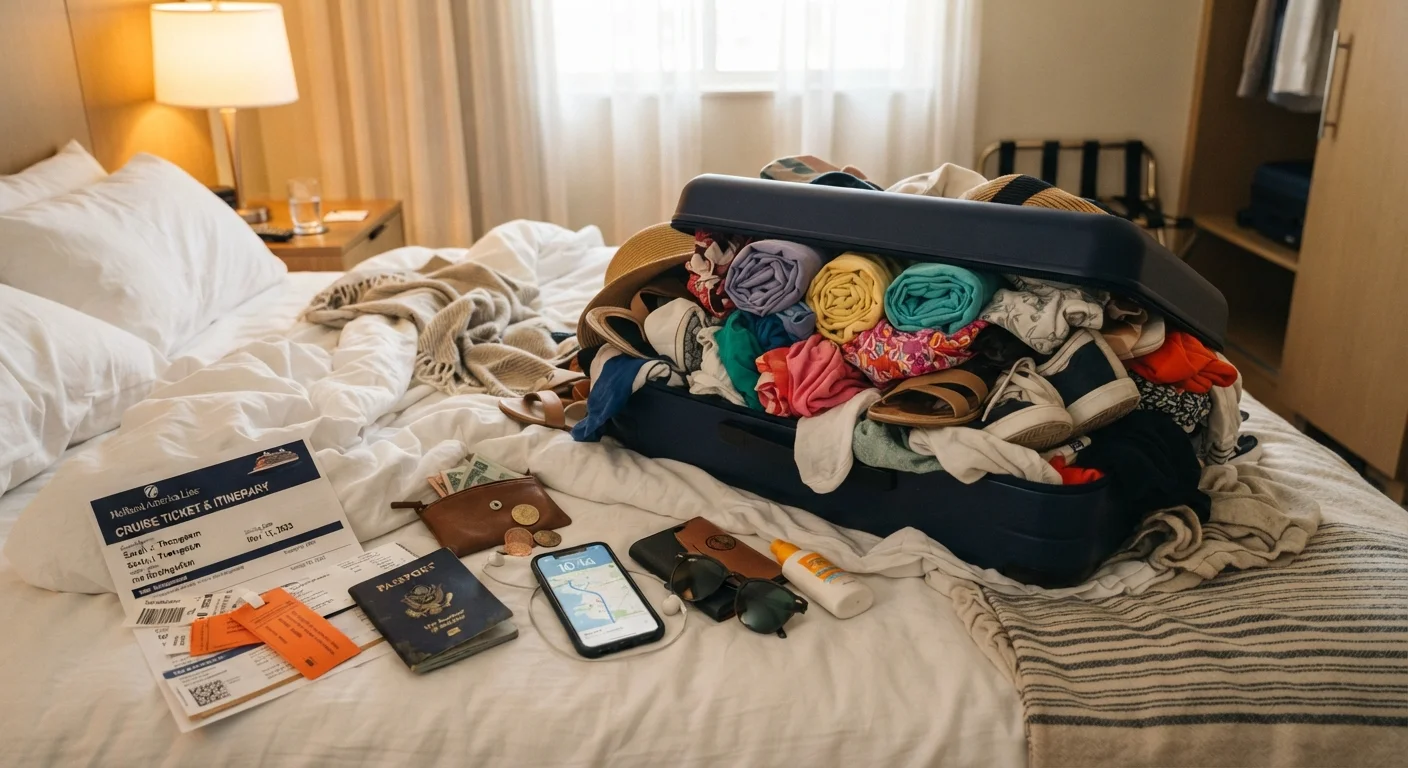
The result is predictable. Some cruisers arrive onboard with two suitcases of clothing they'll never wear. Others disembark at their first port and realize they left the sunscreen, the daypack, and their ship's all-aboard schedule sitting in the cabin. Good packing for a cruise isn't about bringing more - it's about bringing the right things for every context you'll actually encounter. For a broader look at trip-planning fundamentals, the trip planning hub is a useful starting point.
Overpacking formal and dressy attire based on outdated assumptions about cruise dress codes.
Why it happens: Many travelers picture cruising as a black-tie affair and pack multiple formal outfits. Dress code expectations have relaxed significantly across most mainstream cruise lines.
Forgetting a dedicated port-day bag stocked with the right essentials.
Why it happens: Travelers focus heavily on shipboard packing and treat port days as an afterthought, assuming they can grab what they need onboard or ashore.
Packing full-sized toiletries and personal care products without considering cabin storage constraints.
Why it happens: People default to their at-home routines and don't realize cruise ship cabins - even in higher categories - typically have minimal counter and storage space.
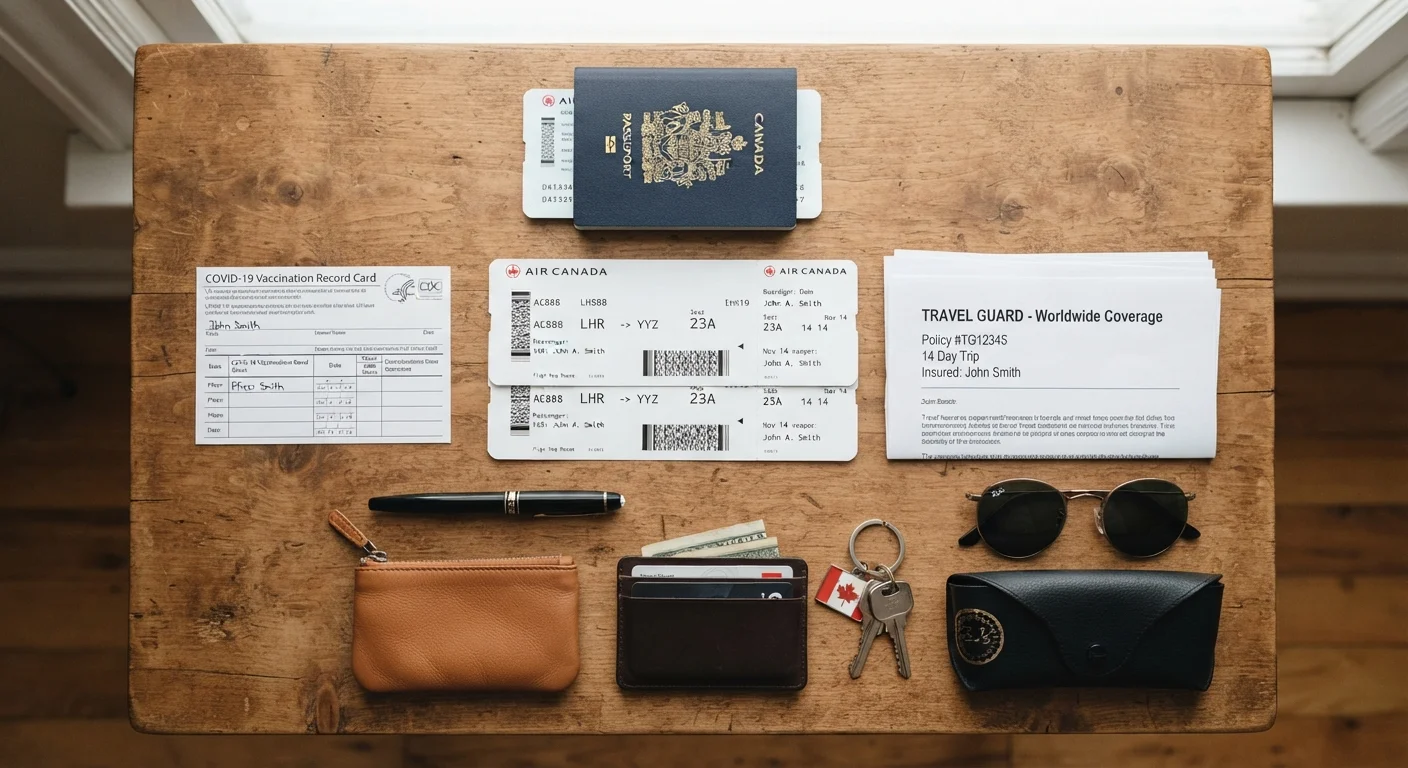
Failing to carry critical documents and valuables in personal carry-on luggage.
Why it happens: Travelers accustomed to hotel check-ins, where bags arrive promptly, don't anticipate the lag between embarkation and cabin bag delivery on a ship.
Ignoring destination-specific packing needs when itineraries span multiple climates or cultures.
Why it happens: Travelers treat a cruise as a single destination rather than a sequence of distinct ports, each with its own climate, dress conventions, and access considerations.
Underestimating the need for sea-day clothing when planning a longer voyage.
Why it happens: Excitement around port stops leads travelers to pack primarily for going ashore, leaving them without enough comfortable onboard options - especially on repositioning cruises that may include five or more consecutive sea days.
The Overlooked Safety and Logistics Angle
Packing errors aren't just inconvenient - some carry real practical consequences. Leaving medications in checked bags, misplacing travel documents, or arriving at a port without currency or a copy of your return time can turn a minor oversight into a stressful situation. Ships do not wait for passengers who miss the all-aboard time, regardless of the reason.
Never Pack Medications in Checked Luggage
Cruise ship checked bags can be delayed by several hours after embarkation - and in rare cases, misdirected. If you take daily prescription medications, always carry them in your personal bag or carry-on. This applies equally to over-the-counter essentials like motion sickness remedies, which you may need before your luggage arrives at your cabin.
Travelers heading to destinations with specific entry or health considerations should verify requirements well in advance and keep all related documentation accessible throughout the voyage. Official government travel resources - such as the U.S. Department of State's country information pages - are the appropriate reference for entry requirements, not cruise brochures. For safety-conscious travelers, the travel safety hub offers broader guidance on staying prepared while abroad.
~50 lbs
Average weight of an overpacked cruise suitcase
Travel industry surveys consistently find that cruise passengers bring significantly more than they use, with many reporting they wore fewer than half the outfits packed.
1-2
Formal nights on most mainstream cruise itineraries
Most contemporary cruise lines schedule only one or two designated formal or 'elegant' evenings per voyage, according to published dress code policies across major cruise operators.