
What the Inside Passage Actually Is
The Alaska Inside Passage is a roughly 1,000-mile coastal route stretching from Washington State through British Columbia and into Southeast Alaska. Rather than open ocean, ships travel a sheltered network of channels, straits, and fjords carved by glaciers over thousands of years - a geography that produces calmer water and dramatic cliff-and-forest scenery in close proximity to the ship's railings.
This is not a single defined route but a general corridor. Cruise lines design itineraries differently: some are round-trip from Seattle or Vancouver, others are one-way between Vancouver and Anchorage (via Seward or Whittier). One-way itineraries often require a separate flight or train segment, so read the full logistics before booking. For help parsing those details, decoding a cruise itinerary is worth reviewing before you commit.
Inside Passage
A sheltered coastal waterway running along the Pacific coast from Washington State through British Columbia into Southeast Alaska, protected from open-ocean swells by a chain of islands.
Scenic cruising
A scheduled period during which the ship sails slowly through a notable natural feature - such as a glacier bay or fjord - without docking, allowing passengers to observe scenery from the deck.
Tender
A small boat used to ferry passengers from a ship anchored offshore to a port dock when the harbor cannot accommodate the full vessel.
One-way itinerary
A cruise that departs from one port and ends at a different port, typically requiring passengers to arrange a separate flight or transfer for either embarkation or disembarkation.
Temperate rainforest
A forest ecosystem in a mild, high-rainfall coastal climate - Southeast Alaska is one of the largest temperate rainforest zones in the world, which explains the region's persistent cloud cover and precipitation.
Key Ports and What to Expect at Each
Most Inside Passage itineraries stop at several of the same core ports, each with a different atmosphere and excursion profile.
- Juneau - Alaska's capital is accessible only by sea or air, which gives it an isolated character unusual for a state capital. Mendenhall Glacier, reachable by bus or excursion, is one of the few glaciers in the world accessible without a guided trek. Downtown is walkable from the pier.
- Ketchikan - Known for totem poles and the historic Creek Street district. Misty Fjords National Monument is the standout natural excursion, typically reached by floatplane or high-speed catamaran. Rainfall is high here year-round - this port's nickname, "Rain Capital of Alaska," is earned.
- Skagway - A well-preserved gold rush town at the northern end of the Passage. The White Pass & Yukon Route railroad excursion is historically significant and widely regarded as a compelling half-day experience. The town itself is small; most activity is excursion-dependent.
- Sitka - Less commonly included but worth noting. Sitka has a Russian colonial history that distinguishes it from other ports, along with excellent raptor and marine wildlife observation opportunities.
Not all ships dock at all ports. Some stops - particularly smaller anchorages - require tender boats, which add time and can be canceled in poor weather. Review your itinerary's port notes carefully to identify which stops are tender-dependent.
Weather, Season, and Realistic Conditions
Southeast Alaska is a temperate rainforest environment. Overcast skies and periodic rain are the default, not the exception - even in peak summer. Temperatures in June through August typically range from the upper 40s to the mid-60s Fahrenheit at sea level, dropping noticeably in higher-elevation excursion areas.
Maximize Deck Time During Cruising Segments
Some of the most memorable wildlife sightings - humpback whales breaching, eagles perching on ice floes - happen while the ship is underway between ports, not in port. Keep binoculars accessible and check the ship's daily program for announced scenic cruising windows so you don't miss key passages while below deck.
The cruise season runs from approximately late April through early October. June through August brings the longest daylight hours - Juneau sees roughly 18 hours of daylight in midsummer - and the highest whale and wildlife activity. May and September offer smaller crowds and a quieter atmosphere, with the tradeoff of colder, wetter conditions and reduced excursion availability at some locations.
Passengers who arrive expecting tropical cruise weather are routinely surprised. Bringing waterproof outer layers, insulating mid-layers, and grippy waterproof footwear is not optional - it directly determines how much of each port day you can comfortably enjoy.
Wildlife, Glaciers, and Managing Expectations
The Inside Passage is one of North America's most productive wildlife corridors. Humpback whales, orcas, Steller sea lions, harbor seals, bald eagles, brown and black bears, and Sitka black-tailed deer are all present - but sightings depend on season, location, and conditions. Wildlife observation from the ship's deck is common during cruising segments, not just in port.
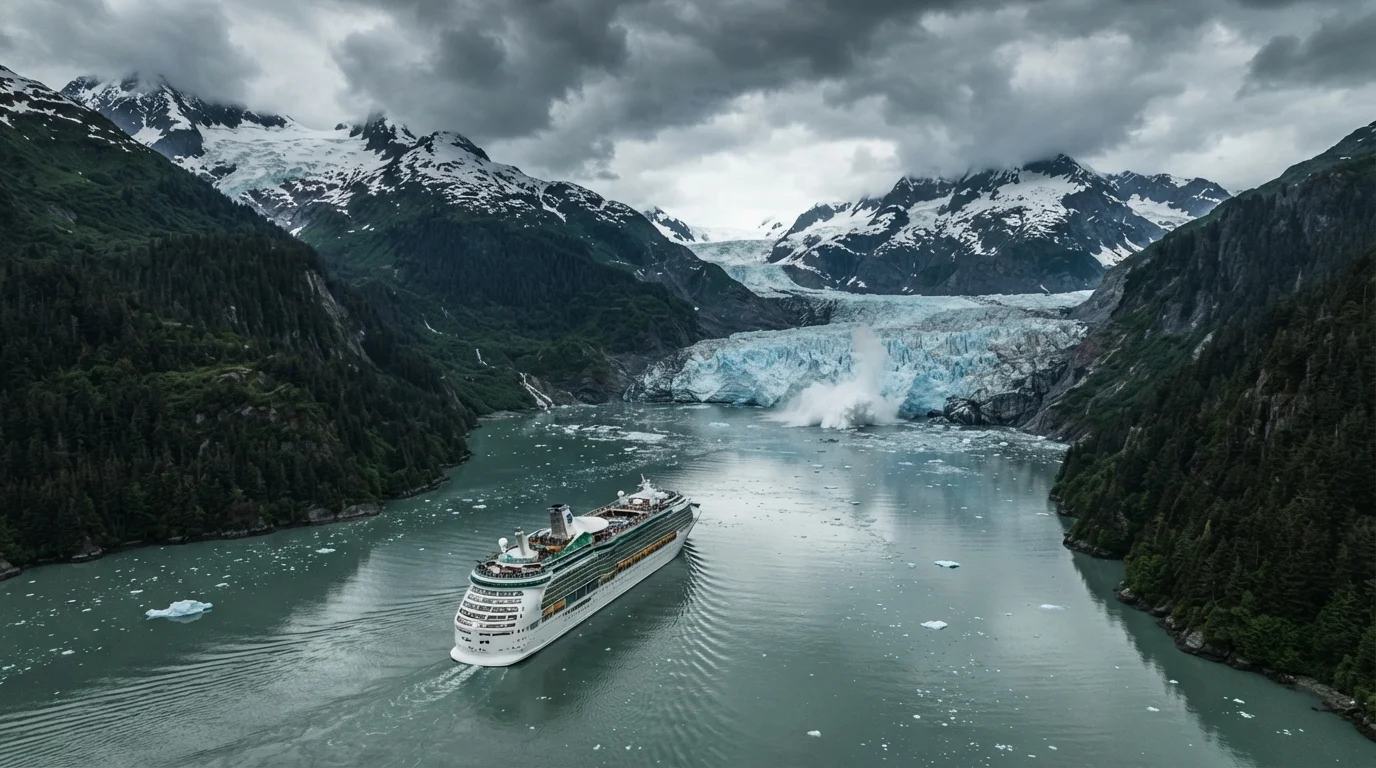
Glacier viewing is typically concentrated in one or two dedicated scenic cruising segments. Glacier Bay National Park, which requires a special use permit that cruise lines must obtain in advance, offers the most immersive glacier experience on the route. Tracy Arm Fjord is a narrower, more dramatic alternative on some itineraries. In both cases, ice conditions can limit how closely a ship can approach the glacier face - this is determined by the captain and park rangers, not the cruise line's marketing.
Glacier Access Is Never Guaranteed
Ice conditions, weather, and park authority decisions can prevent a ship from reaching advertised glacier viewpoints. This is a standard disclosure in cruise contracts, not a rare exception. If glacier viewing is the primary reason you're booking a particular itinerary, read the contract language carefully and have realistic expectations about what "Glacier Bay itinerary" actually guarantees.
For travelers weighing a comparable dramatic scenery experience in a different part of the world, our overview of Norway's fjords cruise routes offers a useful parallel - the landscapes share geological origins but diverge significantly in port culture and logistics.
Practical Preparation Before You Board
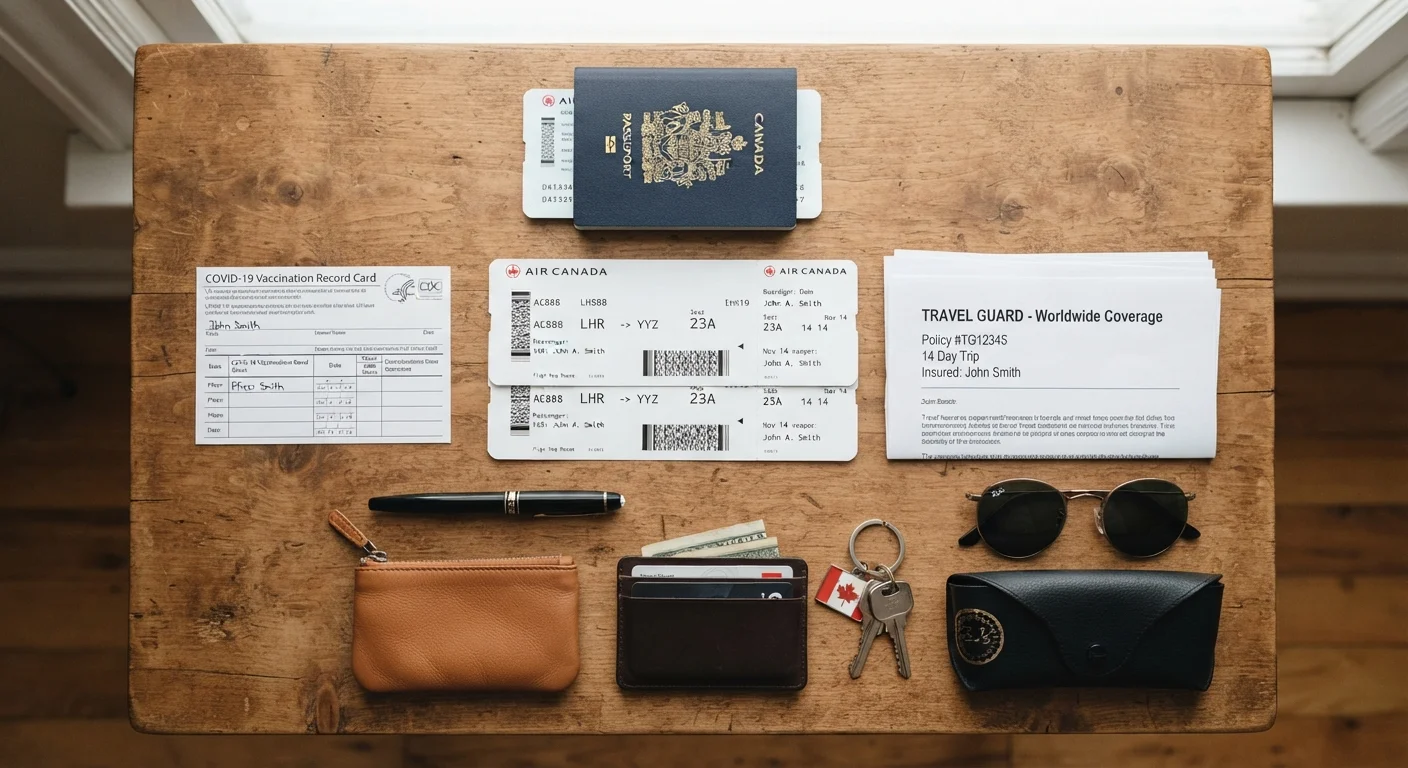
Alaska is a US state, but many Inside Passage itineraries transit Canadian waters and ports, which can trigger passport and customs requirements. A valid US passport is the most universally accepted document. Verify current entry requirements directly with the US Department of State and Canada Border Services Agency before your departure date, as rules can change.
Travel insurance with trip interruption and medical evacuation coverage deserves serious consideration given the remote nature of the route. Medical facilities in Southeast Alaska's smaller communities are limited - evacuation to a major medical center can be logistically complex and expensive without coverage.
Packing for Alaska requires different thinking than most cruise destinations. Common cruise packing mistakes take on added consequence here, where arriving without waterproof layers or appropriate footwear directly limits your port-day experience. Before departure, use a pre-sailing checklist to confirm documents, health requirements, and onboard account setup are handled well in advance.
If you are considering whether a large ocean cruise suits you at all, comparing river and ocean cruise formats can help clarify which experience aligns with your travel style before you commit to an itinerary.