
Why Standard Grooming Advice Often Falls Short
Most grooming guidance is written for skin that tolerates a wide range of products and practices without reaction. For the estimated one in three Americans who experience a chronic skin condition - including eczema (atopic dermatitis), rosacea, or psoriasis - that baseline assumption creates real problems. Fragranced cleansers, hot showers, and aggressive exfoliants that feel unremarkable to some can trigger prolonged flares in others.
Understanding the mechanics of your specific condition is the first step. Eczema involves a compromised skin barrier that allows moisture to escape and irritants to enter. Rosacea is driven by vascular hypersensitivity and inflammatory responses, often worsened by thermal or chemical triggers. Psoriasis involves accelerated skin cell turnover that creates thick, scaly plaques. Each condition shapes which grooming habits help and which hurt. For broader context on building skin-type-appropriate routines, see our full-body moisturising guide.
This article is for general informational purposes only and does not constitute medical advice. Always consult a qualified dermatologist or healthcare professional for guidance specific to your condition.
Core Grooming Practices Adapted for Sensitive Skin
The following principles reflect dermatologist-aligned guidance widely cited in clinical and consumer skincare literature. They are general in nature - individual needs will vary, and your healthcare provider should be your primary resource for personalised direction.
Cleanse with lukewarm water and limit shower time to under ten minutes
Hot water strips the skin's natural lipid layer, exacerbating barrier dysfunction common in eczema and psoriasis. Prolonged exposure compounds the effect. Lukewarm water and shorter sessions reduce transepidermal water loss without sacrificing hygiene.
Pat skin dry with a soft towel rather than rubbing
Friction against already-sensitised or inflamed skin can aggravate micro-tears, increase redness, and disrupt healing tissue. Gentle patting preserves what moisture the shower delivers to the skin surface.
Apply an emollient or moisturiser within three minutes of cleansing
The post-wash window, while skin is still slightly damp, supports better absorption of occlusive and humectant ingredients. For compromised-barrier skin types, this timing can meaningfully improve hydration retention throughout the day.
Patch test new products on a small area for at least 48 hours before full application
Reactive skin conditions lower the tolerance threshold for new chemical exposures. Patch testing on the inner forearm or behind the ear provides an early signal of irritant or allergic contact reactions before wider use.
Shave with the grain using a single-blade or low-irritation razor
Multi-blade razors produce a closer shave partly by pulling skin slightly before cutting, which can destabilise rosacea-prone capillaries and irritate psoriatic plaques around the beard or scalp line. Shaving with the direction of hair growth minimises traction.
Introduce one new product at a time with at least a week between additions
When multiple products are added simultaneously, identifying the source of a flare becomes nearly impossible. A staggered approach keeps the variable isolated and makes troubleshooting straightforward.
Ingredient Awareness: What to Look For and What to Avoid
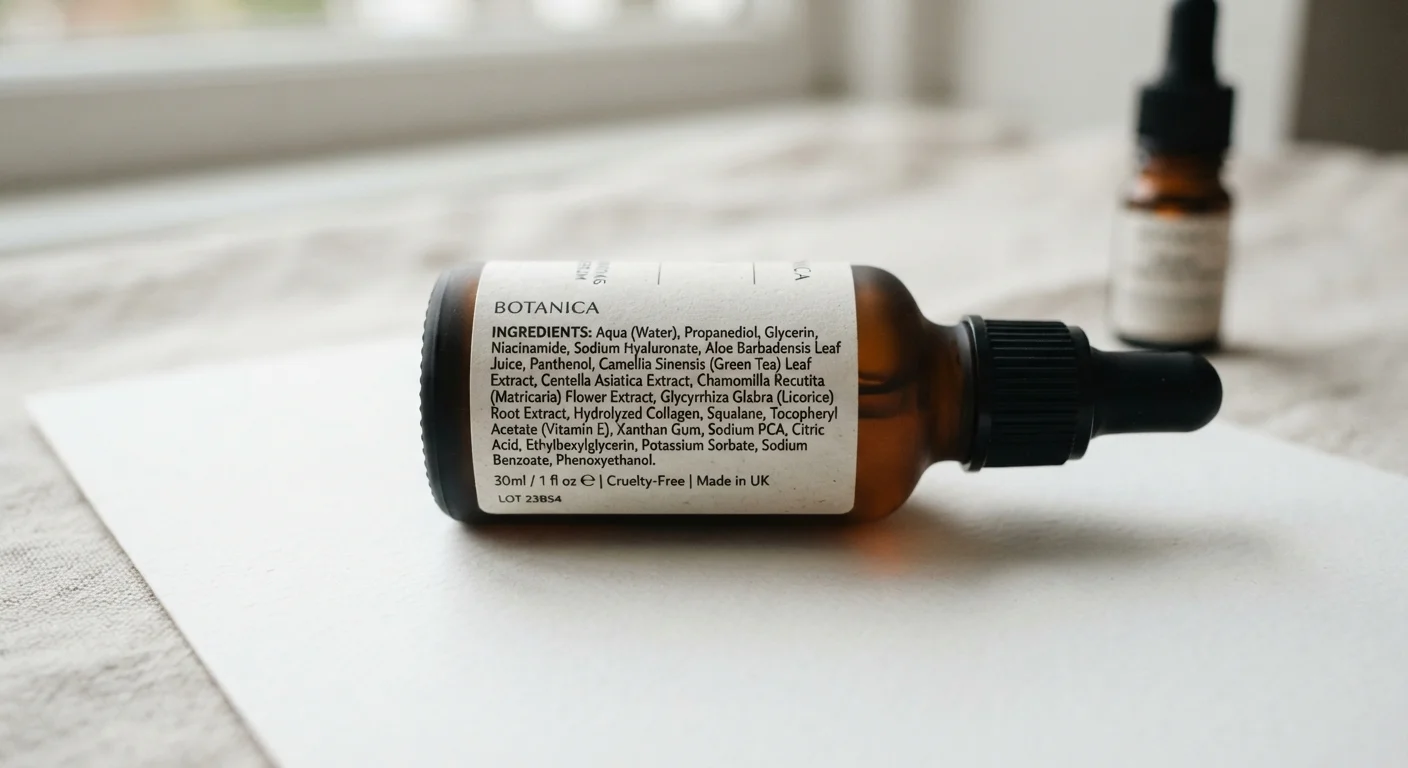
Label literacy is a practical skill for anyone managing a chronic skin condition. The most consistently flagged irritants in grooming products include synthetic fragrances, alcohol denat, sodium lauryl sulfate (SLS), and certain preservatives such as methylisothiazolinone. For a deeper look at how fragrance is labelled and why it so frequently causes reactions, our guide on fragrances in personal care covers the specifics.
A Note on 'Hypoallergenic' Labelling
The term 'hypoallergenic' is not regulated in the United States, meaning manufacturers can use it without meeting a defined standard. It signals intent rather than guarantee. Consumers with known sensitivities are generally better served by reading the full ingredient list than relying on front-of-pack claims. If you have confirmed allergies, cross-referencing with your dermatologist's guidance is the most reliable approach.
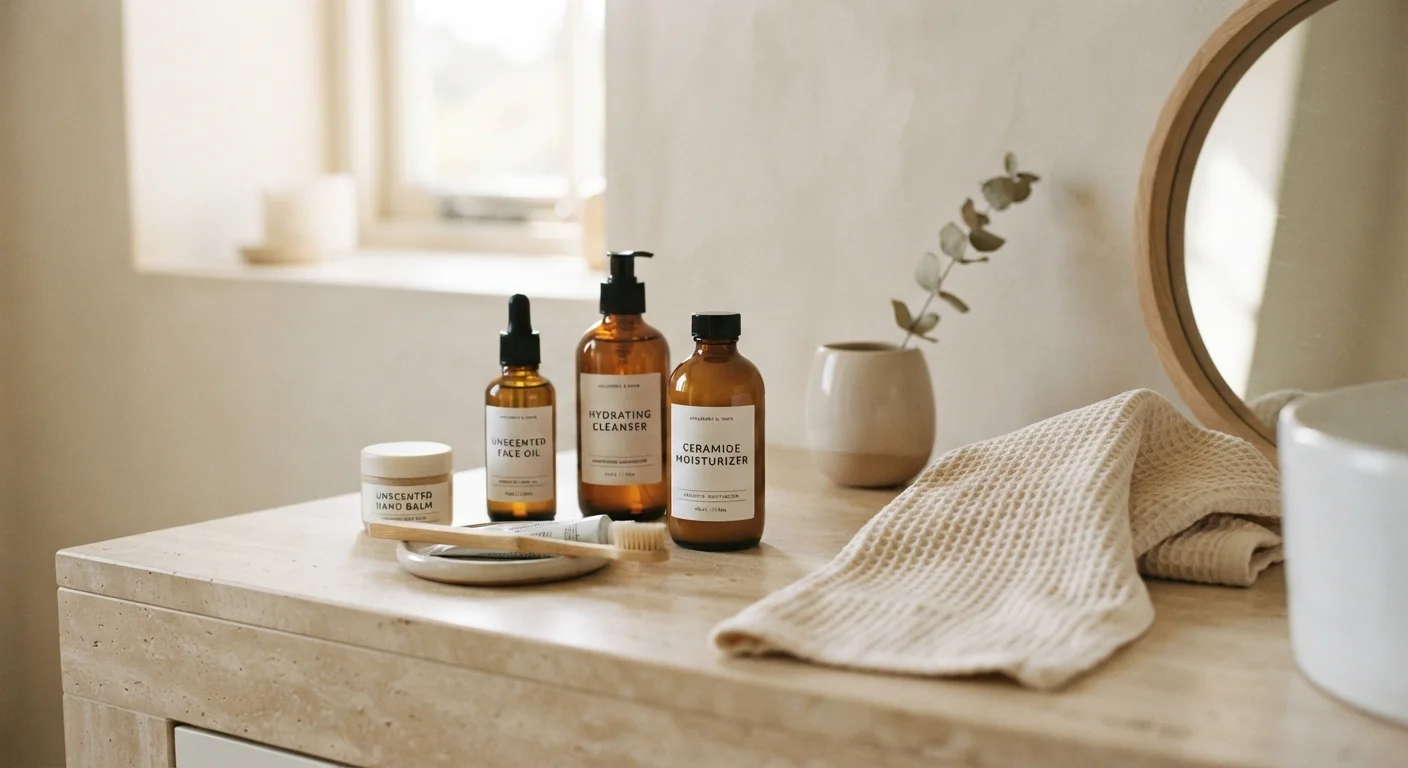
Conversely, ingredients associated with barrier support - such as ceramides, colloidal oatmeal, glycerin, and petrolatum - are commonly recommended in clinical guidelines for eczema and dry-skin conditions. Niacinamide has a growing evidence base for reducing redness and strengthening the barrier. These are not cures, but they are ingredients worth prioritising when reading labels.
~31%
Americans affected by eczema at some point
According to the National Eczema Association, roughly 31.6 million people in the US have some form of eczema.
16M+
US adults living with rosacea
The American Academy of Dermatology estimates that more than 16 million Americans are affected by rosacea, many of whom remain undiagnosed.
Quick Wins You Can Act on Today
If you're unsure where to begin, small, low-risk adjustments often yield noticeable improvement before you overhaul your full routine. Season changes can also shift skin behaviour significantly - see our article on your skin's annual rhythm for guidance on adapting across the year.
Once you've stabilised your routine, you can layer in more targeted steps. If you're starting from scratch, our beginner skincare guide offers a clear foundation to build from.