
Why a Skincare Routine Actually Matters
Your skin is the body's largest organ, and it performs a remarkable amount of work every day - regulating temperature, providing a barrier against environmental aggressors, and protecting deeper tissue. A consistent skincare routine supports those functions rather than working against them.
The value of a routine isn't about achieving a particular aesthetic - it's about maintaining the structural health of the skin barrier. When that barrier is compromised, skin becomes more reactive, prone to moisture loss, and less resilient over time. Consistent, simple care helps sustain it. If you're building self-care habits more broadly, our guide on starting a balanced daily wellness routine pairs well with what you'll find here.
This article is for general informational purposes only and does not constitute medical advice. Consult a qualified dermatologist for concerns about your specific skin health.
The Core Three: Cleanse, Moisturize, Protect
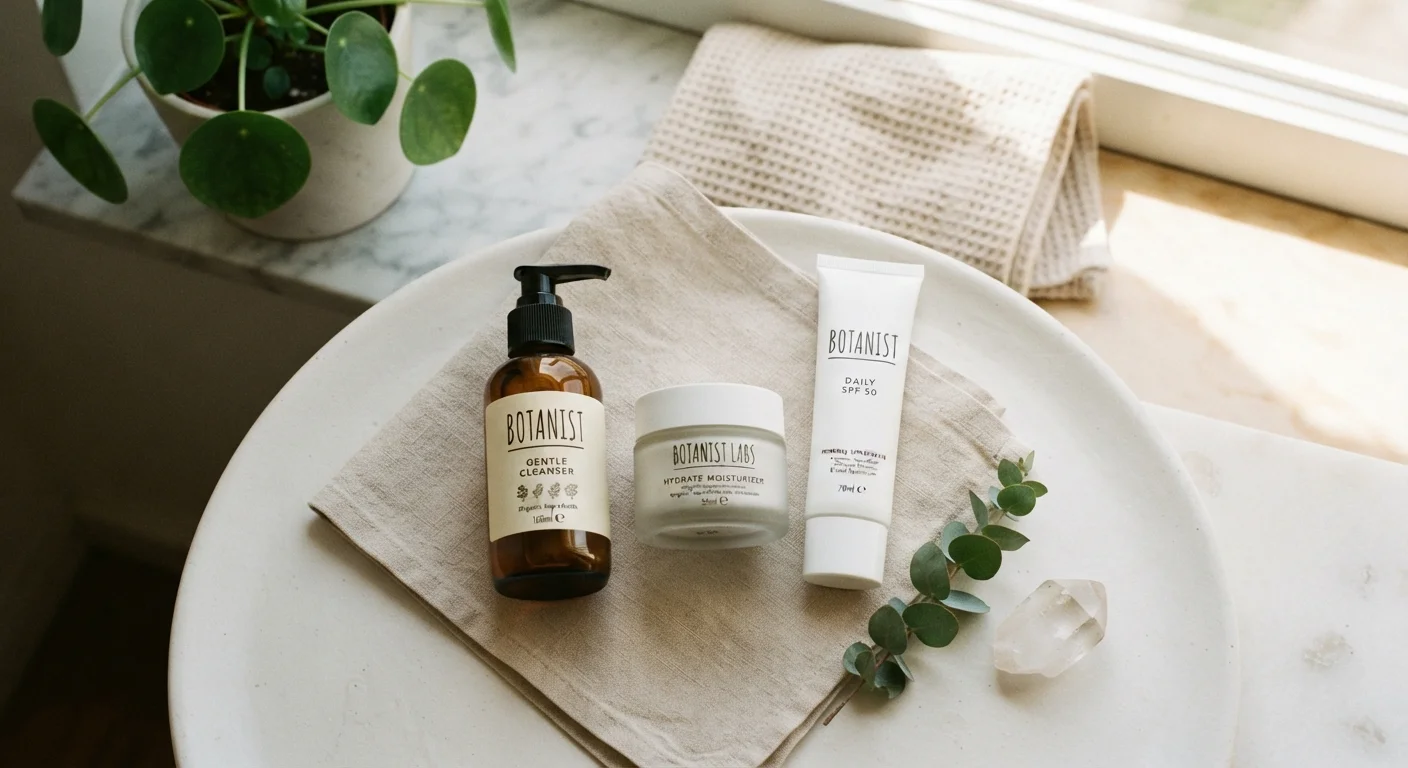
Before adding any extras, these three steps form the non-negotiable foundation of any evidence-informed routine:
- Cleanse: Removes sweat, excess sebum, pollutants, and leftover products. A gentle, pH-balanced cleanser is appropriate for almost all skin types and avoids stripping the barrier the way harsh foaming formulas can.
- Moisturize: Replenishes and seals hydration into the skin. Even briefly after cleansing, the skin starts losing water - a moisturizer with ingredients like glycerin or hyaluronic acid draws moisture in, while occlusives like petrolatum or dimethicone help lock it there.
- Protect (SPF): Broad-spectrum sunscreen with at least SPF 30 is broadly considered the most impactful single step for protecting long-term skin health. UV exposure is a leading contributor to premature skin aging and DNA-level cellular damage.
Patch Test New Products First
Before applying any new product all over your face, apply a small amount to your inner arm or behind your ear for 24-48 hours. This simple step can reveal sensitivities before you commit the product to a wider area. It's especially useful for anyone with sensitive or reactive skin.
Once you're comfortable with these three steps, you can explore the trade-offs of keeping your routine minimal - our article on the trade-offs of a minimalist skincare approach offers a balanced look at what paring back does and doesn't deliver.
Understanding Your Skin Type
Skin barrier
The outermost layer of the skin that prevents water loss and blocks external irritants, pollutants, and microorganisms from penetrating deeper layers.
Sebum
The natural oil produced by sebaceous glands in the skin. It helps lubricate and waterproof the skin surface but can contribute to a shiny appearance when overproduced.
Non-comedogenic
A term used for products formulated to avoid clogging pores, making them generally better suited for oily or acne-prone skin types.
Broad-spectrum SPF
A sunscreen that protects against both UVA rays (associated with aging and deeper skin damage) and UVB rays (associated with sunburn). The SPF number reflects UVB protection level.
Active ingredient
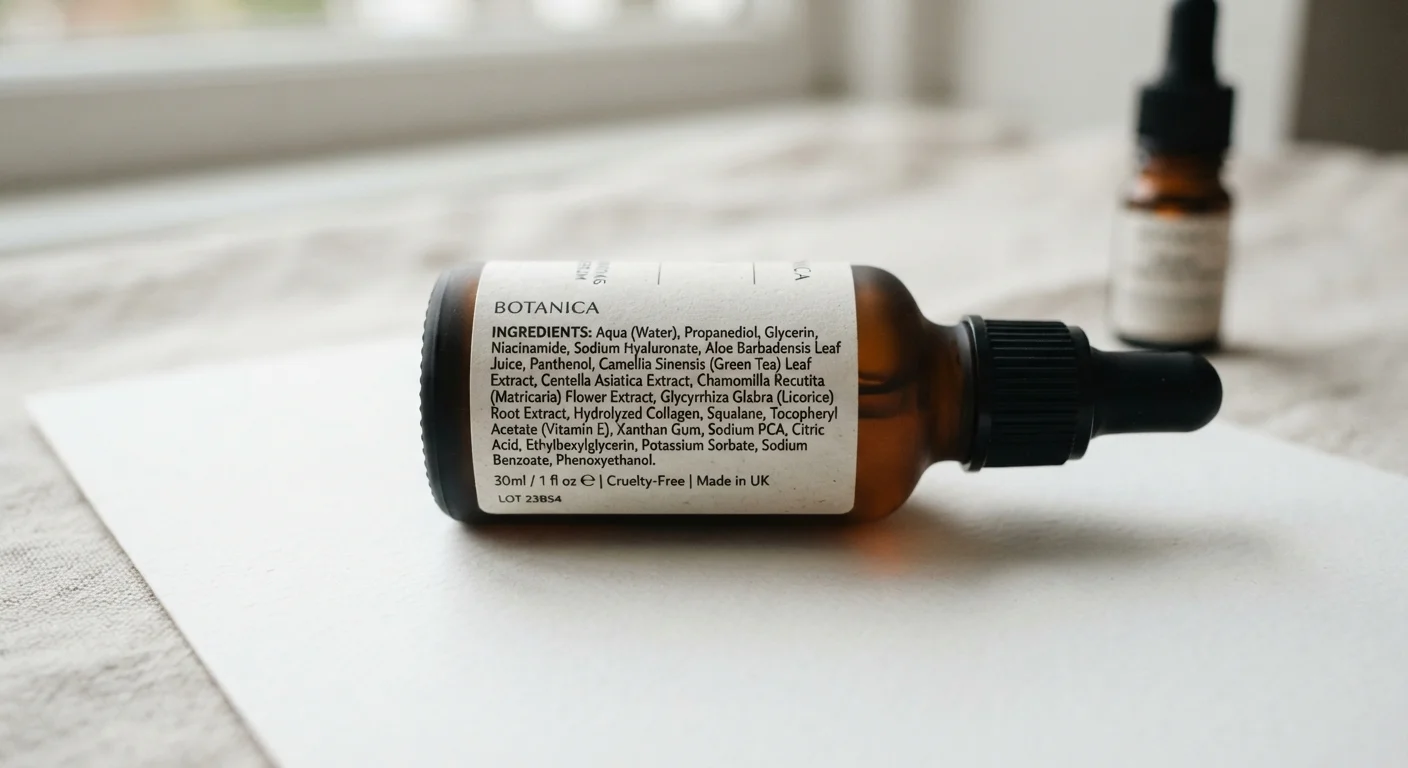
A skincare ingredient with a specific, targeted function - such as exfoliating dead cells, reducing hyperpigmentation, or stimulating collagen. Examples include retinol, vitamin C, and salicylic acid.
Occlusive
An ingredient that forms a physical barrier on the skin's surface to slow water evaporation. Common occlusives include petrolatum, dimethicone, and beeswax.
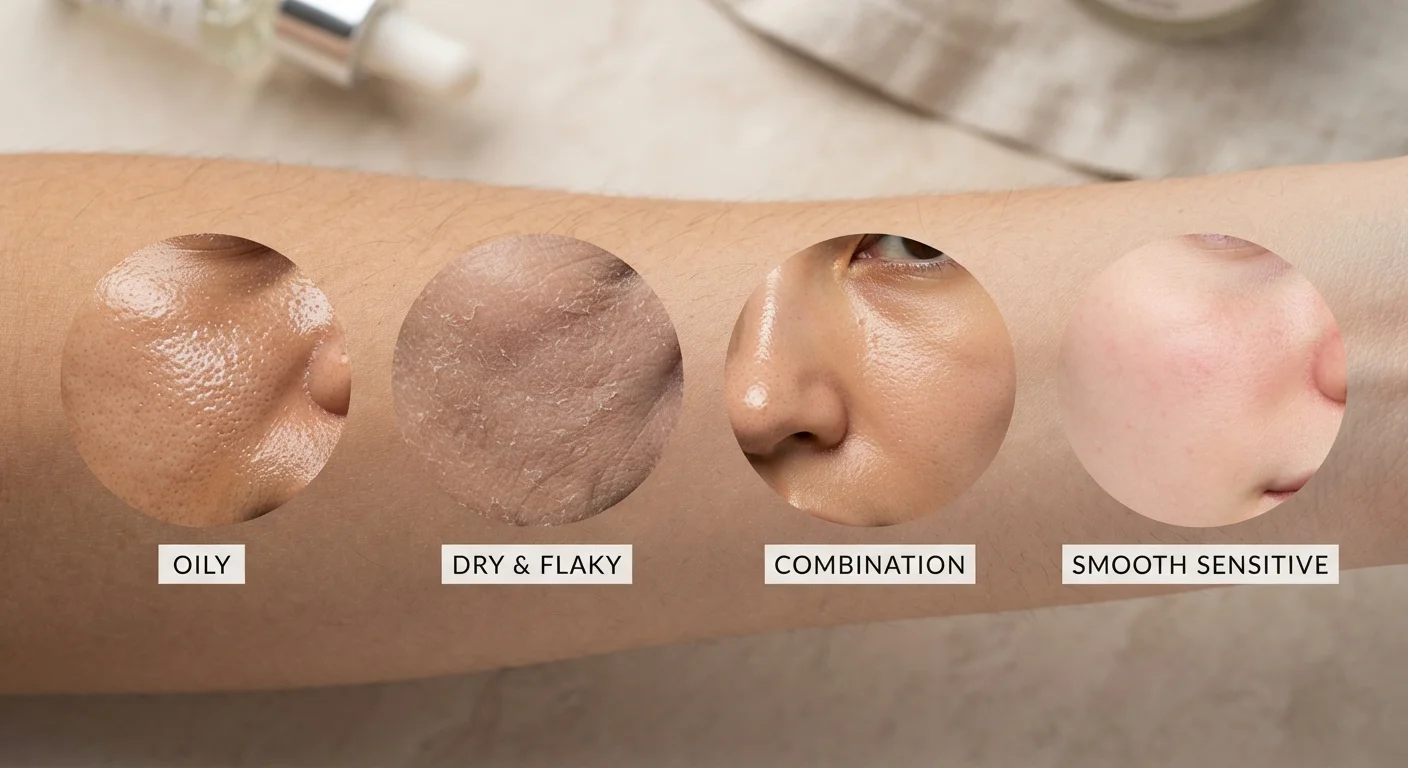
Choosing appropriate products starts with understanding how your skin naturally behaves. The most common classifications are:
- Oily
- Excess sebum production, often with enlarged pores and a persistent shine. Benefits from lightweight, non-comedogenic formulas.
- Dry
- Reduced sebum production and a compromised moisture barrier, often presenting as flakiness or tightness. Benefits from richer, cream-based moisturizers.
- Combination
- Oily in the T-zone (forehead, nose, chin) and normal to dry on the cheeks. May require targeted product choices for different facial areas.
- Sensitive
- Prone to redness, stinging, or reactivity. Fragrance-free, minimal-ingredient formulas are generally better tolerated.
These categories provide a starting framework, not a fixed diagnosis. Skin behavior can shift with seasons, hormones, stress, and age. When in doubt, a board-certified dermatologist can provide a more accurate assessment tailored to your skin's specific characteristics.
Application Order and When to Do Each Step
The general rule for layering skincare is thinnest to thickest. Heavier formulas create a film that can block lighter ones from absorbing properly, so the sequence matters.
Morning Routine
- Gentle cleanser (or plain water if skin isn't oily)
- Serum, if using one (applied to slightly damp skin)
- Moisturizer
- Sunscreen (always last, as the outermost layer)
Evening Routine
- Cleanser (double cleansing - oil-based first, then water-based - is useful if you wear SPF or makeup)
- Treatment serum or active, if using one
- Moisturizer
If your schedule is tight, even a two-step morning habit of moisturizer and sunscreen is a meaningful starting point. For ideas on fitting self-care into a packed day, see our walkthrough on building a daily wellness ritual when you have almost no time.
When to Add More: Expanding Beyond the Basics
Once your core routine feels stable and your skin is tolerating it well - typically after four to six weeks - you may want to introduce an active ingredient. Common categories include:
- Chemical exfoliants (AHAs like glycolic acid, BHAs like salicylic acid): support cell turnover and can improve texture and tone.
- Vitamin C serums: antioxidant protection and support for an even complexion; typically used in the morning.
- Retinoids (retinol or prescription-strength tretinoin): associated with supporting collagen production and improving signs of skin aging; used at night and introduced slowly.
Retinoids Require Extra Care
Retinoids are among the most studied topical ingredients for skin health, but they can cause dryness, peeling, and sensitivity - especially at the start. Prescription-strength retinoids should only be used under a dermatologist's guidance. Over-the-counter retinol products are milder but still warrant a slow introduction: start with a low concentration used once or twice per week before increasing frequency.
The critical rule when adding actives: introduce one new ingredient at a time and allow two to four weeks before adding another. This makes it far easier to identify what's helping - or what's causing a reaction. Our detailed guide on introducing active ingredients without disrupting your skin covers a methodical approach to this process.