
Why Fragrance Is a Leading Irritant
Fragrance is consistently ranked among the most frequent causes of allergic contact dermatitis from cosmetic and personal care products. Research cited by dermatology associations identifies fragrance as a top contact allergen globally, affecting both people with pre-existing sensitivities and those with no prior history of skin conditions.
The challenge lies in complexity. A single fragrance listing on a label can represent a proprietary blend of 50 to 300 or more individual chemical compounds. Some of these - such as oakmoss absolutes, cinnamal, and isoeugenol - are well-established sensitizers. Others may be benign in isolation but contribute to a cumulative allergenic load when combined.
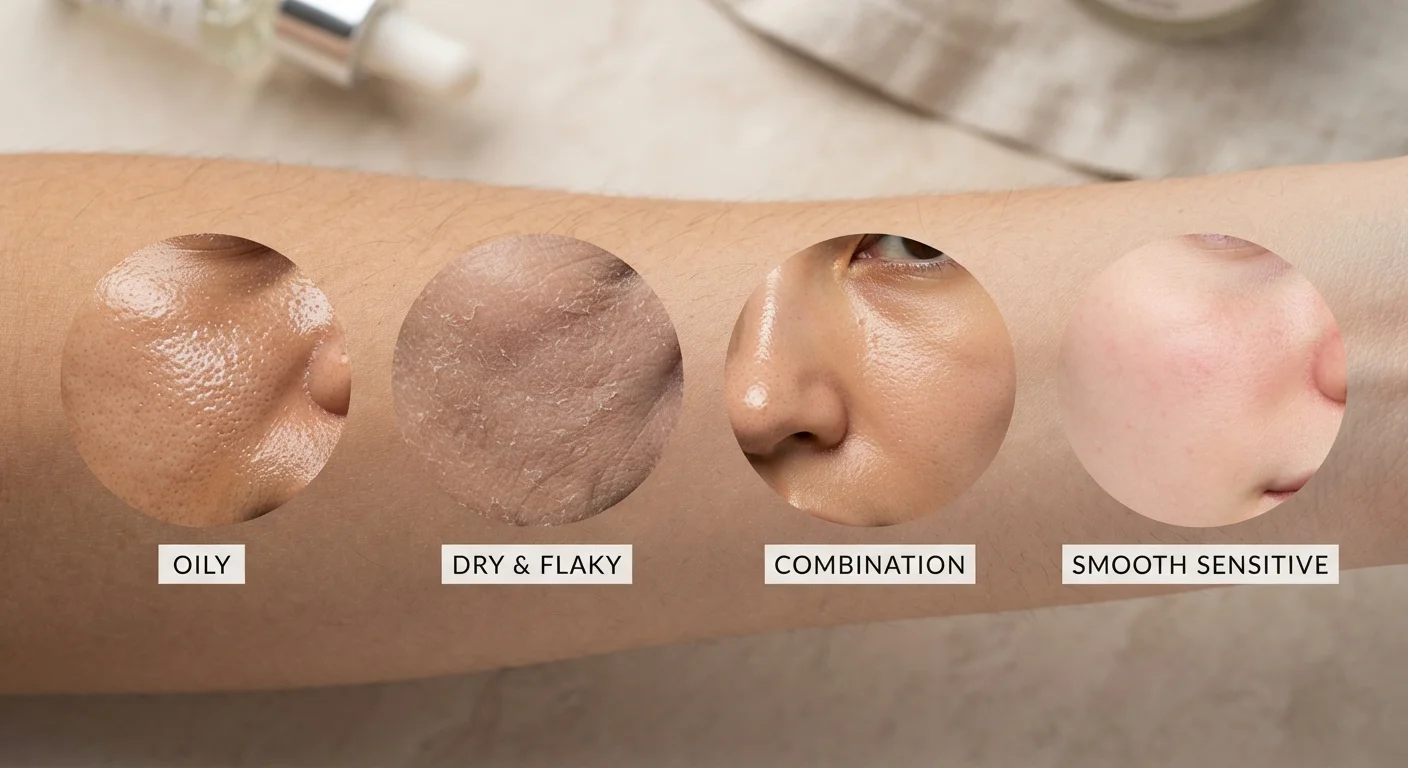
Two distinct types of skin responses can occur. Irritant contact dermatitis is a non-immune reaction where the fragrance compounds directly damage the skin barrier, causing redness, burning, or dryness. Allergic contact dermatitis involves an immune response: the immune system becomes sensitized after initial exposure and then reacts - sometimes more strongly - upon future contact. Once sensitized, a person typically remains sensitive to that compound indefinitely.
Sensitization Can Develop Over Time
A person can use a fragranced product for months or years before developing a reaction. Sensitization is a cumulative process - repeated exposure to a compound can eventually trigger an immune response even if none occurred initially. This is why a reaction to a previously tolerated product is not unusual and does not necessarily mean the formula changed.
How Fragrance Is Labelled - and What Gets Hidden
US FDA regulations require personal care product manufacturers to list ingredients on labels, but fragrance formulas are protected as trade secrets. This means the dozens of individual aroma chemicals in a blend need not be disclosed individually - only "fragrance" or "parfum" must appear. This is sometimes called the "fragrance loophole."
Some manufacturers voluntarily disclose fragrance components, and third-party databases such as the Environmental Working Group's Skin Deep database aggregate available ingredient data for transparency. However, voluntary disclosure is inconsistent across the industry.
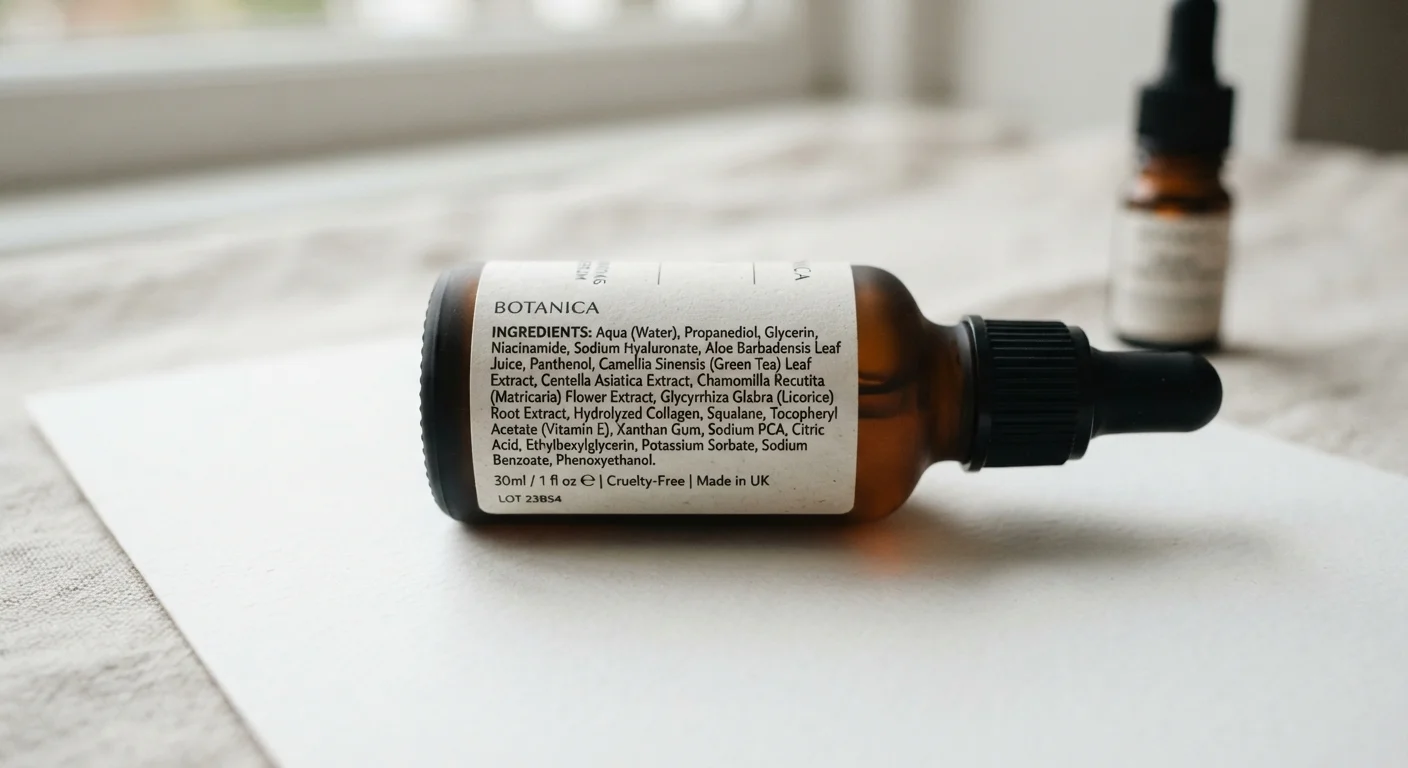
It is worth knowing that even products marketed as "natural" or "botanical" may contain significant allergens. Essential oils - including lavender, tea tree, citrus, and ylang ylang - contain naturally occurring compounds like linalool and limonene that oxidize over time and become more irritating. The guide to reading shampoo and conditioner ingredient lists explains how to identify these entries and what their position in a list suggests about concentration.
Look Beyond the Word "Fragrance"
When checking labels for fragrance-free status, scan for essential oil names (lavender oil, peppermint oil), botanical extracts, and terms like "aroma" or "natural flavor." These can all introduce the same sensitizing compounds found in synthetic fragrance blends. The skincare basics hub covers additional ingredient-reading fundamentals.
Scalp Sensitivity and Fragrance: A Specific Concern
The scalp presents a different physiological environment than the rest of the body. It is rich in sebaceous glands and hair follicles, and its skin is generally thinner and more permeable than skin on the arms or torso. This means fragrance compounds can penetrate more readily, and the warm, occluded environment under hair can increase absorption further.
People managing seborrheic dermatitis, psoriasis, or eczema on the scalp are at heightened risk, since their skin barrier is already compromised. For these individuals, fragranced shampoos, conditioners, scalp serums, and dry shampoos can exacerbate flaring. Understanding how scalp health differs from hair health broadly is important context - see how scalp and hair health are connected but distinct.
Rinse-off products like shampoo have shorter skin contact time than leave-on products like scalp treatments or styling creams, which matters when evaluating risk. Leave-on products with fragrance tend to present a higher sensitization risk due to prolonged exposure.
~1 in 10
Adults sensitized to fragrance allergens
European dermatology research estimates roughly 1 in 10 adults in the general population may be sensitized to one or more fragrance compounds, making it among the most prevalent contact allergens.
100-300+
Chemicals potentially hidden under "fragrance"
Industry and regulatory analyses indicate that a single "fragrance" listing on a product label may represent anywhere from dozens to hundreds of individual chemical compounds.
Top 5
Consistent ranking of fragrance as a contact allergen
Fragrance is consistently identified within the top five causes of allergic contact dermatitis in patch-test studies conducted by dermatology research groups.
Identifying Reactions and Making Informed Choices
Pinpointing fragrance as the cause of a skin or scalp reaction requires some systematic thinking. Common signs - itching, redness, flaking, or burning that emerge or worsen after introducing a new product - are worth tracking. An elimination approach, removing fragranced products one at a time and monitoring changes, can be informative.
A dermatologist can conduct formal patch testing using standardized fragrance mixes (such as Fragrance Mix I and Fragrance Mix II) to identify specific allergens. This is particularly useful if reactions persist despite switching products, or if over-the-counter fragrance-free alternatives haven't resolved the issue.
When evaluating alternatives, look beyond the absence of "fragrance" or "parfum" on the label. Check for essential oils, botanical extracts, and plant hydrosols, which can carry the same allergenic compounds. The article on what the research says about common hair care ingredients provides useful context for evaluating ingredient safety claims more broadly.
For those managing known skin conditions, grooming routines adapted for sensitive skin conditions offers general principles for adjusting daily care. Always consult a dermatologist or qualified healthcare provider for persistent, severe, or worsening reactions - this article is general educational information and is not a substitute for professional medical advice.
This article provides general information about fragrance in personal care products. It is not medical advice and is not intended to diagnose, treat, or prevent any condition. Consult a qualified healthcare professional for concerns about skin or scalp health.