
Two Systems, Two Sets of Rules
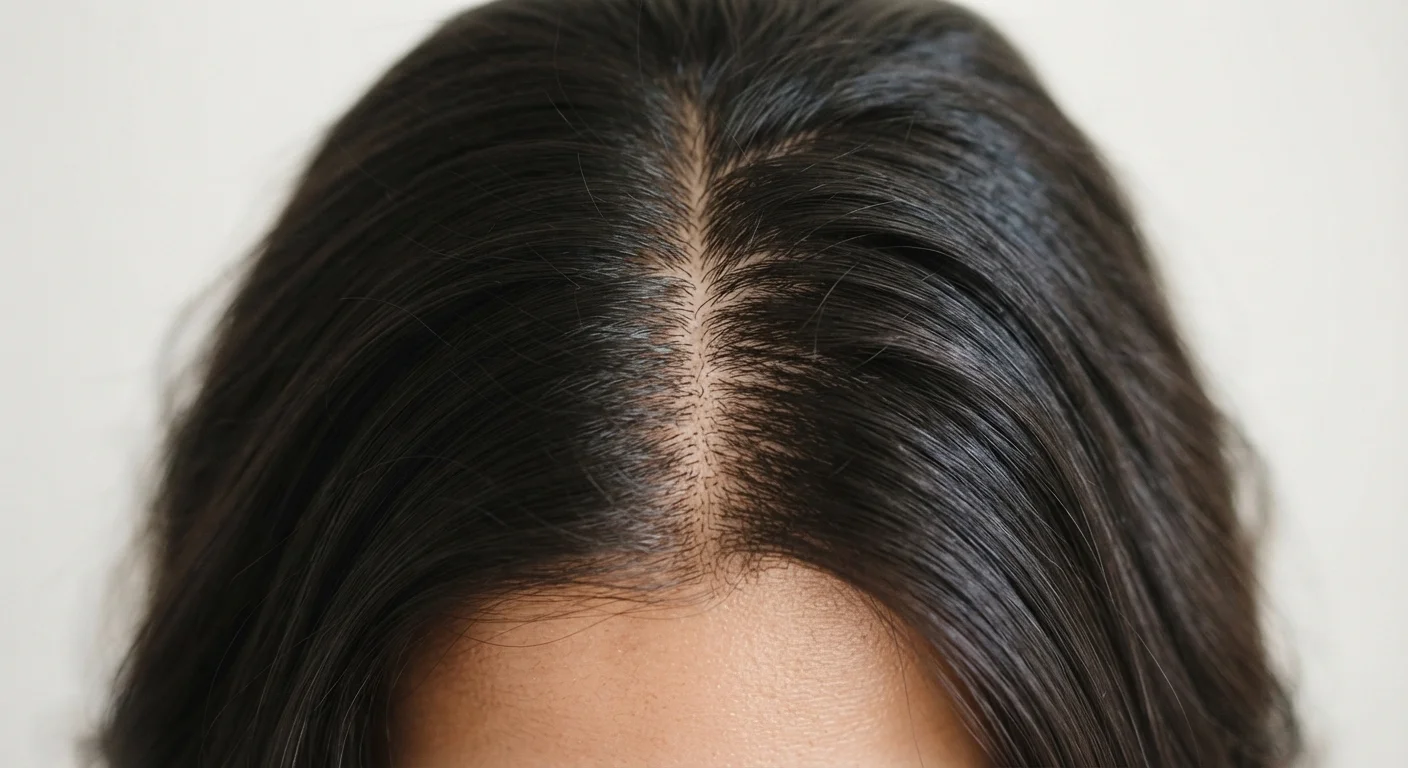
It is easy to treat hair and scalp as a single unit, but they operate very differently. The scalp is living skin - it contains sebaceous glands, hair follicles, nerve endings, blood vessels, and a resident microbiome. It sheds dead cells, produces sebum, and responds to inflammation and hormonal shifts the way all skin does. Hair strands, by contrast, are non-living keratin structures. Once a strand exits the follicle, it cannot repair itself biologically. Any improvement to hair condition at the strand level is cosmetic modification, not cellular healing.
This distinction matters practically. Products formulated to balance the scalp - managing pH, sebum, and microbial load - are not designed to penetrate or restructure hair fiber. Conversely, conditioning treatments that smooth the cuticle and restore moisture to dry strands do little for an inflamed or congested scalp. Using the wrong product category for the wrong problem is one of the most common reasons people see disappointing results. Understanding how hair porosity works adds another layer of clarity, since porosity governs how well strands absorb and retain the moisture and treatments you apply.
| Criterion | Scalp Health | Hair Health |
|---|---|---|
| Biological nature | Living skin tissue | Non-living keratin structure |
| Self-repair capacity | Can heal and regenerate | Cannot self-repair once grown |
| Primary concerns | Inflammation, sebum, microbiome | Moisture, protein, cuticle integrity |
| Visible symptoms | Flaking, itching, oiliness, redness | Dryness, breakage, frizz, split ends |
| Key influencing factors | Hormones, diet, washing frequency, pH | Heat, chemicals, porosity, handling |
| Product focus | Cleansers, scalp serums, treatments | Conditioners, masks, leave-ins |
| When to see a professional | Persistent inflammation or hair loss | Rarely requires clinical intervention |
Reading the Signals: Which System Is Talking?
Knowing which system needs attention starts with recognising the symptoms each produces.
Scalp signals
- Flaking - can indicate dandruff (Malassezia-associated seborrheic dermatitis), dry scalp, or contact dermatitis
- Persistent itching or burning - often tied to inflammation, product sensitivity, or a dermatological condition
- Excess oiliness - driven by sebaceous gland output, which is influenced by hormones, washing frequency, and product buildup
- Tenderness or redness at the roots - may signal folliculitis or inflammatory scalp disease
- Diffuse shedding - frequently linked to follicle-level disruption rather than strand damage
Hair strand signals
- Dryness and brittleness - loss of moisture or lipid from the hair cortex and cuticle
- Split ends and breakage - mechanical or chemical damage to the keratin structure
- Frizz and lack of definition - often related to cuticle roughness and moisture imbalance
- Colour fade or brassiness - porosity-driven loss of pigment molecules
A useful rule of thumb: if the problem is at the root, think scalp; if it runs the length of the strand, think hair. Some conditions overlap - chronic scalp inflammation can impair the follicle environment enough to affect the quality of new growth - but tracing the origin accurately guides more effective care. You can also explore persistent hair-loss myths to separate what the evidence actually shows from widely held but inaccurate assumptions.
~50%
Adults affected by dandruff at some point
Seborrheic dermatitis affecting the scalp is estimated to affect up to half of the global adult population, according to dermatology literature.
100,000+
Hair follicles on the average adult scalp
Each follicle is an independent living structure embedded in scalp skin, producing one or more strands throughout its growth cycle.
4.5-5.5
Healthy scalp pH range
Research in skin barrier function suggests that maintaining a mildly acidic scalp pH supports microbial balance and sebaceous gland regulation.
The Scalp Microbiome and Why It Matters
Scalp health is closely linked to a balanced microbial ecosystem. The scalp harbours a community of bacteria and fungi - most notably the yeast genus Malassezia - that coexist with the skin under normal conditions. When this balance shifts, it can trigger inflammation, accelerated cell turnover (visible as flaking), and scalp sensitivity.
Factors that commonly disrupt the scalp microbiome include over-washing (which strips protective sebum), product buildup that alters the scalp's pH, and aggressive ingredients that kill off commensal organisms along with harmful ones. Low-frequency washing has its own set of trade-offs - what happens to the scalp over time when washing frequency drops is a more nuanced question than the popular narrative suggests.
Fragrance in shampoos and scalp treatments is also worth scrutinising. It is among the more common sources of contact sensitivity, particularly for those with reactive skin. How fragrance is labelled and why reactions occur is useful background for anyone whose scalp irritation seems product-related.
Scalp Conditions Can Have Systemic Roots
Some scalp issues - including certain forms of hair loss and chronic seborrheic dermatitis - are linked to hormonal changes, nutritional deficiencies, or underlying health conditions. If scalp symptoms are new, worsening, or accompanied by changes elsewhere in the body, it is worth discussing them with a healthcare provider rather than attributing them solely to product choice or washing habits.
When to Seek Professional Guidance
Many scalp concerns respond to routine adjustments - gentler cleansing, reduced product layering, or addressing ingredient sensitivities. However, some scalp conditions are dermatological in nature and warrant clinical evaluation. Conditions such as psoriasis, seborrheic dermatitis, lichen planopilaris, and alopecia areata have specific presentations and treatment pathways that go well beyond what over-the-counter products can address.
If you notice persistent or worsening symptoms - significant hair loss, scalp pain, visible lesions, or inflammation that does not resolve with basic care adjustments - a board-certified dermatologist is the appropriate point of contact. General hair health concerns that are strand-focused (damage, breakage, dryness) can often be managed with adjustments to washing, conditioning, and heat use, but scalp conditions with a suspected inflammatory or infectious component should not be self-managed indefinitely.
This article is for general informational and educational purposes only. It is not a substitute for professional medical or dermatological advice, diagnosis, or treatment. Always consult a qualified healthcare provider for personal health concerns.