
What a Professional Roof Inspection Actually Covers
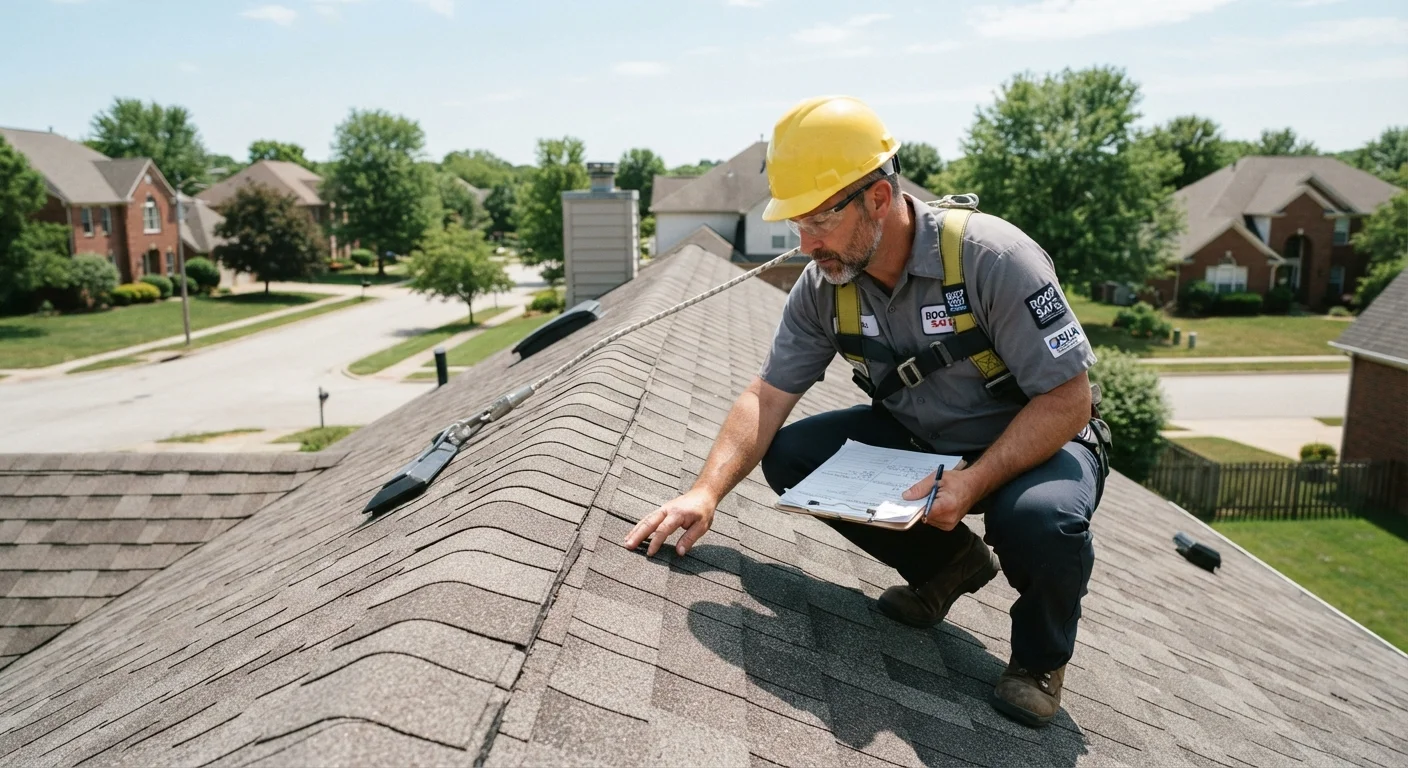
A roof inspection is more thorough than most homeowners expect. A qualified inspector works through a structured checklist that spans the exterior roofing surface, the perimeter drainage system, and the attic space below - because roof health is not just about what you can see from the curb.
Exterior surface
The inspector examines the roofing material - typically asphalt shingles, but also tile, metal, or flat membrane systems - for signs of wear. On asphalt roofs, they look for curling or buckling edges, cracked or missing shingles, and significant granule loss (granules accumulate in gutters as a shingle ages). These signs indicate how much service life remains and whether localized repairs or full replacement is approaching.
Flashing and seals
Flashing - the metal strips that seal transitions between the roof and chimneys, vents, skylights, and walls - is one of the most common leak sources. An inspector checks for lifted, cracked, or corroded flashing and inspects sealants around every roof penetration.
Gutters, soffits, and fascia
Blocked or sagging gutters put water pressure against the fascia and can force moisture under the roofline. The inspector checks for gutter separation, rusting, debris buildup, and whether the soffit panels beneath the overhang show staining or rot.
Attic inspection
Many inspectors include an attic walkthrough to check for moisture staining on rafters or decking, signs of active leaks, and whether ridge and soffit ventilation is adequate. Poor attic ventilation accelerates shingle deterioration from the underside and can promote mold growth - a problem that is expensive to remediate once established.
Infrared Inspections: A Closer Look
Some inspectors offer thermographic (infrared) scanning as an add-on or standalone service. This technology detects temperature differentials in the roof surface that indicate trapped moisture - useful for flat or low-slope roofs where visual assessment has more limitations. Not every home requires this level of evaluation, but it can be worthwhile for roofs with a history of unresolved leaks or for commercial-style flat sections on residential properties.
Warning Signs That Get Flagged in a Report
After completing the inspection, the professional typically delivers a written report that categorizes findings by urgency. Understanding what the flagged items mean helps you make informed repair decisions rather than reacting to contractor pressure.
- Active or recent water intrusion: Staining on attic decking, damp insulation, or daylight visible through the roof deck signals an immediate repair need.
- Structural sagging: Any visible dip or wave in the roofline may point to compromised decking or rafter damage beneath - a more serious structural issue worth addressing quickly.
- Significant granule loss: When large sections of shingles have lost their protective granule coating, the underlying asphalt becomes vulnerable to UV degradation and the roof's remaining lifespan shortens noticeably.
- Separated or failed flashing: Even a small gap in chimney or vent flashing can allow water to track into wall cavities over time.
- Inadequate ventilation: An inspector may flag a ratio imbalance between intake and exhaust vents, which affects both roofing material longevity and attic temperatures.
If you're also reviewing the broader condition of your home, see our guide to structural surveys and home inspections for a clear breakdown of how a roof inspection fits within larger property assessments.
25%
Of homeowners who never schedule routine roof inspections
Industry estimates from roofing trade organizations suggest a significant portion of US homeowners have never had a professional roof inspection, making deferred damage a common and costly outcome.
$1,000-$4,000
Typical cost range for minor-to-moderate roof repairs
According to general contractor pricing guides, catching damage early through routine inspections keeps repair costs in this range, compared to full replacement costs that can exceed $10,000-$20,000 for average residential roofs.
20-30 years
Expected lifespan of standard asphalt shingles
The Asphalt Roofing Manufacturers Association notes that proper maintenance and ventilation are key factors in achieving the upper end of a shingle's rated service life.
When to Schedule a Roof Inspection
Timing matters as much as the inspection itself. Roof inspections fall into two categories: routine scheduled checks and event-triggered assessments.
Routine inspections
Most roofing professionals recommend inspections every one to two years for roofs in good condition. Older roofs - generally those beyond 15 years - or homes in regions with harsh winters, high UV exposure, or frequent severe weather may benefit from annual checks. Including a roof inspection in your broader home maintenance routine helps keep the schedule consistent. Our home annual maintenance calendar outlines how roof checks fit alongside other seasonal tasks.
Event-triggered inspections
Certain situations warrant an unscheduled inspection regardless of when you last had one:
- After major storms: Hail, high winds, and heavy snow loads can cause damage that is not visible from the ground.
- Before buying or selling a home: A pre-sale inspection helps sellers understand what to disclose; buyers use it to negotiate repairs or factor replacement costs into their offer.
- After significant nearby tree work: Falling limbs or debris from tree removal can chip, crack, or puncture roofing materials.
- When interior symptoms appear: Water stains on ceilings, peeling paint on upper walls, or a sudden increase in attic condensation are all signals worth investigating promptly.
Documented inspection records are also useful when reviewing your homeowner's insurance coverage. If you're evaluating your policy in light of a recent inspection, our structured checklist of insurance policy questions can help you ask the right questions. For general context on coverage types, see the Insurance overview.
Document Every Inspection
Keep a file with dated inspection reports, photographs, and any repair invoices. This record is valuable when filing insurance claims, preparing a home for sale, or tracking how quickly specific issues are progressing over time. Many insurers look favorably on homeowners who can demonstrate consistent maintenance history.
Choosing a Qualified Inspector and Understanding Your Report
Not every person who climbs onto a roof and offers an opinion constitutes a qualified inspection. When selecting a professional, look for contractors who carry proper licensing for your state, maintain current liability insurance, and can provide references from previous residential clients. Roofing contractors affiliated with established trade associations often follow documented inspection standards, though this alone does not guarantee quality.
Be cautious of unsolicited door-to-door inspection offers - particularly after storms - as post-disaster scams targeting homeowners are well documented. Seek out inspectors independently rather than responding to cold outreach.
A useful inspection report will clearly distinguish between:
- Immediate repairs - items posing an active risk of water intrusion or structural compromise.
- Near-term maintenance - issues that are not urgent today but will become costly if deferred more than one to two seasons.
- Monitoring items - early-stage wear that should be documented and re-evaluated at the next inspection.
If a report recommends significant structural work, it may be worth a second opinion from a separate contractor before committing. Any work involving structural framing, decking replacement, or changes to the roofline may also require a building permit - consult our guide to building permits for a clear explanation of when permits apply and why they matter.
This article is for general informational purposes only and does not constitute professional roofing, structural, or insurance advice. Always consult a licensed contractor and verify local code requirements before undertaking any roofing work.