
Why the Terminology Matters
The words "survey," "inspection," and "report" are often used interchangeably in conversation - but they describe meaningfully different documents with different scopes, costs, and legal standing. Commissioning the wrong type means you could close on a property with hidden structural problems, or spend money on a comprehensive report when a basic one would have sufficed.
Understanding what each assessment actually examines helps you ask the right questions during a real estate transaction, plan a renovation budget accurately, or decide whether a pre-listing inspection is worth doing before you sell. The three main categories - the home inspection, the condition report, and the structural survey - exist on a spectrum of depth and cost.
The Standard Home Inspection
In the United States, the home inspection is the most common pre-purchase assessment. A licensed inspector evaluates the property's major systems and visible components on a non-invasive basis. Typically covered:
- Roof: Visible shingles, flashing, gutters, and downspouts
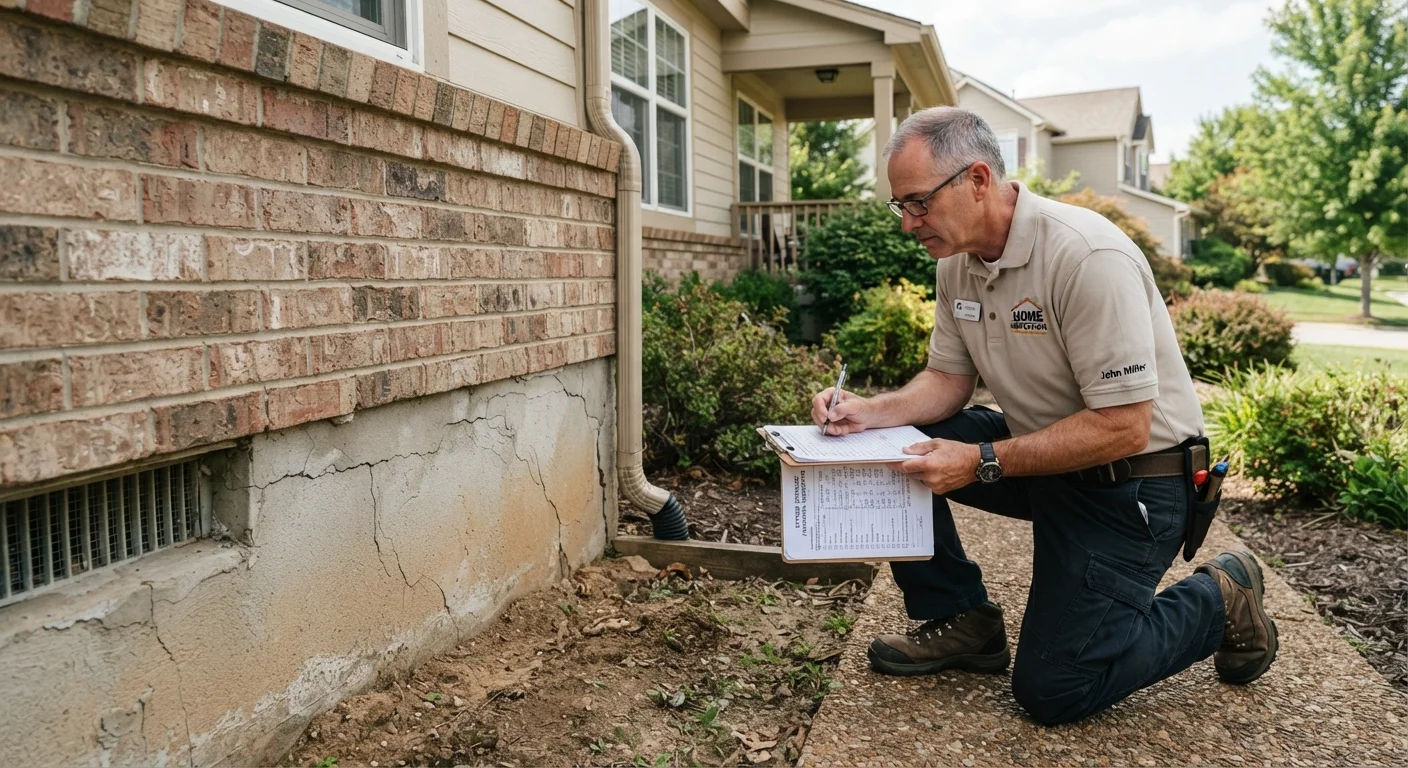
- Foundation and structure: Accessible areas of the foundation, visible framing, signs of settlement or movement
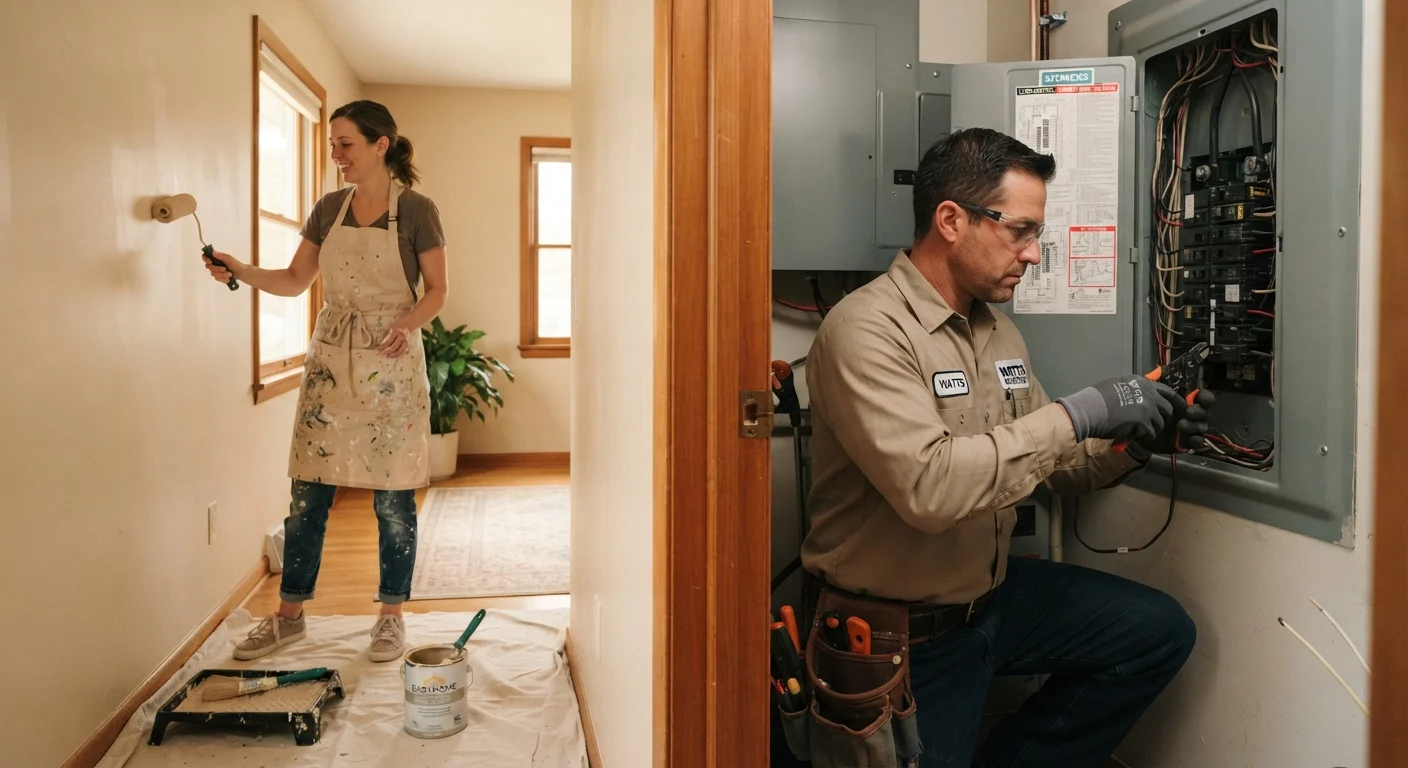
- Electrical: Panel, visible wiring, outlets, and fixtures
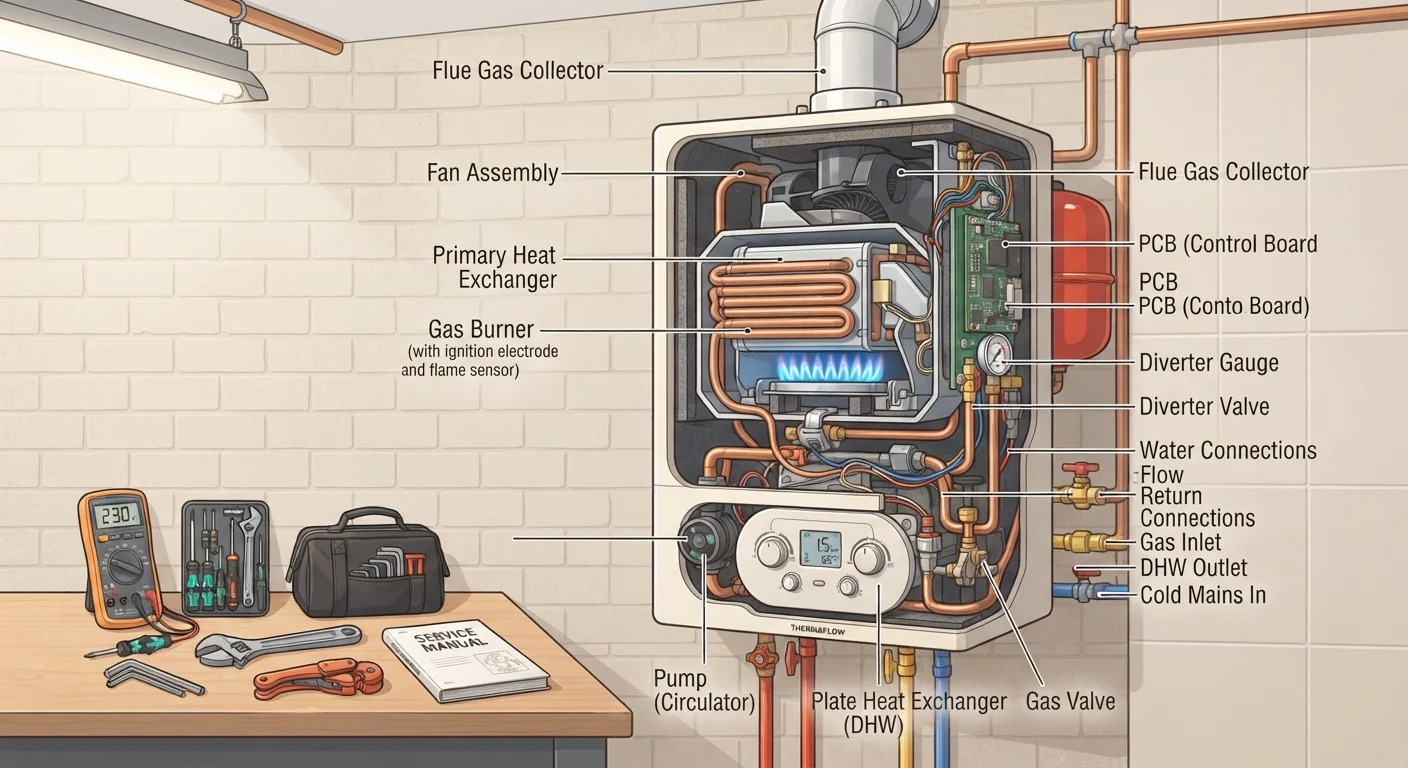
- Plumbing: Supply lines, drain lines, water heater, visible fixtures
- HVAC: Heating and cooling equipment, filters, accessible ductwork
- Interior: Walls, ceilings, floors, windows, doors, insulation where visible
The inspector produces a written report with photographs, noting the condition of each component and flagging items that require repair, monitoring, or specialist follow-up. Inspectors do not evaluate every component - hidden areas behind finished walls, underground drainage, and pest damage (usually) are outside scope unless specifically added as a specialist add-on.
Inspections are a private due-diligence tool - their findings are not automatically shared with lenders or recorded anywhere official. You are responsible for acting on what they reveal.
Condition Reports: A Basic Snapshot
A condition report is a shorter, standardized document that provides a top-level summary of a property's visible condition at a single point in time. In the US context, condition reports are sometimes offered by real estate agents or as a lighter-touch pre-listing service.
Key characteristics of a condition report:
- Covers only what is readily visible and accessible - no specialist testing
- Uses simple rating language (e.g., satisfactory, fair, poor) rather than detailed analysis
- Does not include repair cost estimates or prioritization
- Completed faster and at lower cost than a full home inspection or structural survey
A condition report is appropriate when you need a quick overview - for example, if you own a property and want a general sense of maintenance priorities, or if a lender requires some documented assessment before a refinance. It is not a substitute for a full home inspection in a purchase transaction, because it lacks the depth to reveal latent defects in systems or structure.
Structural Surveys: The Most Comprehensive Option
A structural survey - sometimes called a full building survey - goes significantly further than either a standard inspection or a condition report. It is typically recommended for:
- Older homes (generally pre-1950 construction) where building methods and materials differ substantially from modern standards
- Properties with known or suspected structural movement, subsidence, or water intrusion
- Homes with unusual construction (timber frame, adobe, log, etc.)
- Any property where a standard inspection revealed concerns warranting deeper investigation
A structural survey is usually conducted by a licensed structural engineer or a qualified building surveyor rather than a general home inspector. It involves closer physical examination, may include specialist sub-reports (e.g., moisture mapping, drainage testing, foundation probing), and typically produces a detailed written report with repair recommendations and - depending on the professional - rough cost estimates.
This level of assessment carries a higher price tag. Whether it is warranted depends on the property's age, history, and any red flags surfaced in a preliminary inspection. Your home inspector or real estate attorney can advise whether escalating to a structural engineer is appropriate for your specific situation.
Choosing the Right Assessment for Your Situation
Use this framework to guide your decision:
| Situation | Recommended Assessment |
|---|---|
| Buying a standard residential home | Full home inspection (non-negotiable) |
| Buying an older, distressed, or unusual property | Home inspection plus structural engineer review |
| Selling a home and want to disclose accurately | Pre-listing home inspection |
| Quick general condition check on a property you own | Condition report |
| Planning a major renovation involving structure | Structural engineer consultation |
One important note: even the most thorough inspection has limits. Non-invasive assessments cannot see inside walls, beneath slabs, or underground. If an inspector notes possible concerns in any of these areas, commissioning additional specialist testing - such as a sewer scope or thermal imaging - is a reasonable next step rather than a sign that something unusual is happening.
Home surveys and inspections also interact with your broader financial planning. Defects uncovered in a report can affect your negotiation position, your renovation budget, and - as the type of home insurance you carry will determine - what losses are covered if a problem worsens after purchase. Understanding all three layers gives you a genuinely complete picture before you commit.
This article is for general informational purposes only and does not constitute professional real estate, engineering, or legal advice. Always work with licensed professionals for assessments specific to your property and jurisdiction.