
What Counts as a Protective Style?
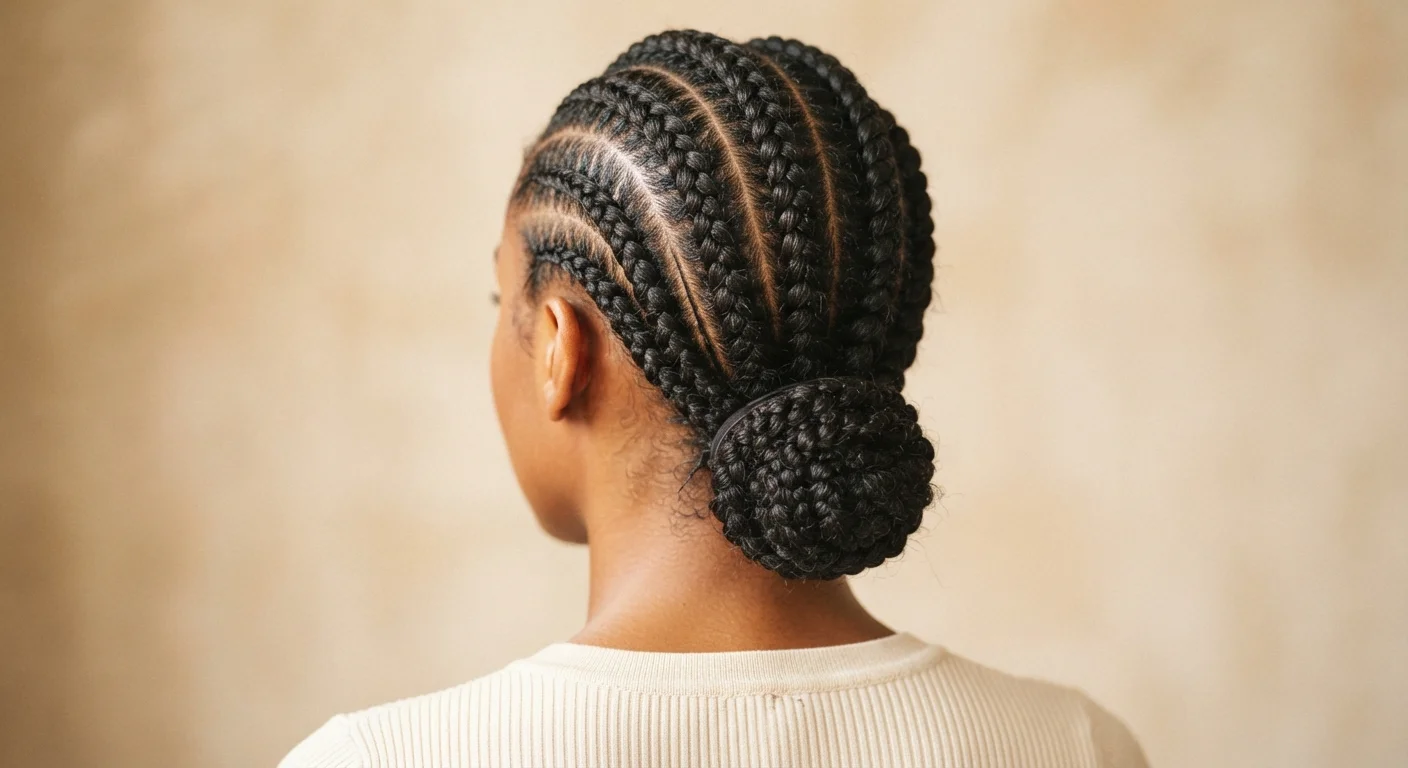
A protective style is any hairstyle that tucks the ends of the hair away from environmental exposure and minimizes daily manipulation. Common examples include braids, twists, cornrows, locs, weaves, wigs, and updos where ends are secured. The defining feature is not the aesthetic - it is the reduction of friction, heat, and repeated combing on the most vulnerable part of the strand: the older, distal ends.
The concept is widely used within natural hair communities and is particularly relevant for those with textured or coily hair, where the curl structure makes ends more susceptible to tangling and mechanical breakage. That said, protective styling principles apply across hair types whenever fragility or length retention is a concern.
Understanding what qualifies as protective - and what does not - matters because not every low-manipulation style delivers the same benefits. A loose updo on moisturized hair differs significantly from tightly installed extensions with little scalp access. For a broader look at how everyday habits affect hair structure, see common habits that quietly damage hair.
The Real Advantages
Reduces daily mechanical stress on hair strands
Tucking ends away and minimizing combing and heat styling significantly lowers the friction-related damage that accumulates over weeks of daily manipulation.
Supports length retention in fragile hair types
For natural, chemically processed, or fine hair prone to breakage, reduced manipulation during a wear period can help retain length that would otherwise be lost to daily handling.
Shields ends from environmental exposure
Tucked ends are less exposed to UV radiation, dry or cold air, and wind - all recognized contributors to cuticle surface damage and moisture loss.
Reduces time spent on daily styling
A protective style can simplify morning routines substantially, which also reduces heat tool use and the cumulative thermal damage associated with it.
Allows hair to rest between chemical or heat services
Giving chemically processed or heat-damaged hair extended periods without further intervention allows the cuticle time to stabilize, even if it cannot fully repair.
The core benefit of protective styling is mechanical: when hair is tucked away and left undisturbed, it is not subjected to the daily friction of combing, detangling, or heat styling. Research on hair breakage consistently identifies repetitive mechanical stress as a primary driver of length stagnation. Reducing that stress gives the hair shaft a sustained recovery period.
For individuals managing chemically processed, color-treated, or heat-damaged hair - where the cuticle layer is already compromised - this rest period can make a measurable difference in overall strand integrity. Protective styles also reduce exposure to environmental aggressors like UV radiation, dry air, and wind, all of which contribute to surface cuticle damage over time.
If you find your hair is not retaining length despite consistent growth, breakage rather than slow growth is often the underlying issue - and this is precisely where protective styling, done correctly, can intervene.
The Trade-Offs Worth Knowing
Tight installation can cause traction alopecia
Chronic tension on the follicle - particularly at the hairline and temples - is a well-documented cause of traction alopecia, which can become permanent if the tension is not relieved early.
Extended wear leads to matting and breakage
Shed hairs trapped inside braids or twists accumulate over time, and removal after too many weeks requires force that can cause significant breakage, negating length retention gains.
Scalp hygiene becomes harder to maintain
Reduced access to the scalp increases the risk of product buildup, excess sebum accumulation, and conditions like folliculitis if cleansing is not actively maintained during the wear period.
Hair can dry out under the style unnoticed
Moisture levels are harder to assess when hair is tucked away, and prolonged dryness - if unaddressed - weakens the strand's elasticity and increases breakage risk.
Poor takedown technique causes mechanical damage
Rushing removal or skipping detangling products during takedown is a common source of post-style breakage that many people mistakenly attribute to the style itself.
The risks of protective styling are real and, in some cases, irreversible if not caught early. Traction alopecia - hair loss caused by sustained tension on the follicle - is among the most well-documented complications associated with tightly installed braids, weaves, and cornrows. Dermatological literature consistently links chronic high-tension styling to permanent follicle damage in affected areas, most commonly the hairline and temples.
Duration is equally important. Styles left in beyond 6-8 weeks accumulate shed hairs within the braid or twist structure, creating conditions for matting. When the style is removed without adequate detangling, the mechanical force required can cause breakage that exceeds what weeks of low manipulation prevented.
Protective Styling Is Not a Passive Process
A common misconception is that installing a protective style means hair can be ignored until takedown. In reality, the scalp continues to produce sebum, shed cells, and react to environmental conditions throughout the wear period. Neglecting scalp care for weeks can result in buildup and inflammation that is difficult to reverse. Plan for at least a light cleansing and moisturizing routine every one to two weeks, regardless of how hands-off the style is intended to be.
Scalp hygiene is another overlooked variable. Product buildup, sweat, and reduced airflow create an environment that can disrupt the scalp's microbiome and contribute to flaking, itching, or folliculitis (inflammation of the hair follicle). This is not a reason to avoid protective styles - it is a reason to build in a cleansing routine even while the style is in place.
Maintenance Practices That Determine Outcomes
~33%
Prevalence of traction alopecia in high-risk groups
A review published in the Journal of the American Academy of Dermatology estimated traction alopecia affects approximately one-third of women in populations with high rates of tension-based hairstyling.
6-8 weeks
Recommended maximum wear time for most protective styles
Hair care professionals and trichologists generally cite this range as the window beyond which the risks of matting, buildup, and follicle stress begin to outweigh the protective benefits.
The difference between a protective style that supports hair health and one that damages it almost always comes down to what happens during the wear period - not just at installation and removal. Key practices include:
- Scalp moisturizing: Applying a lightweight oil or water-based moisturizer to the scalp weekly prevents the dryness and flaking that can accompany reduced access.
- Tension monitoring: Styles should never cause pain, bumps, or visible pulling at the hairline. These are early warning signs of excessive traction that warrant immediate loosening or removal.
- Cleansing in-style: Diluted shampoo applied directly to the scalp via an applicator bottle allows cleansing without disturbing the style. Skipping this step for weeks is not a neutral choice.
- Careful takedown: Using a conditioner or detangling product during removal, working in small sections from ends to roots, reduces the breakage risk substantially.
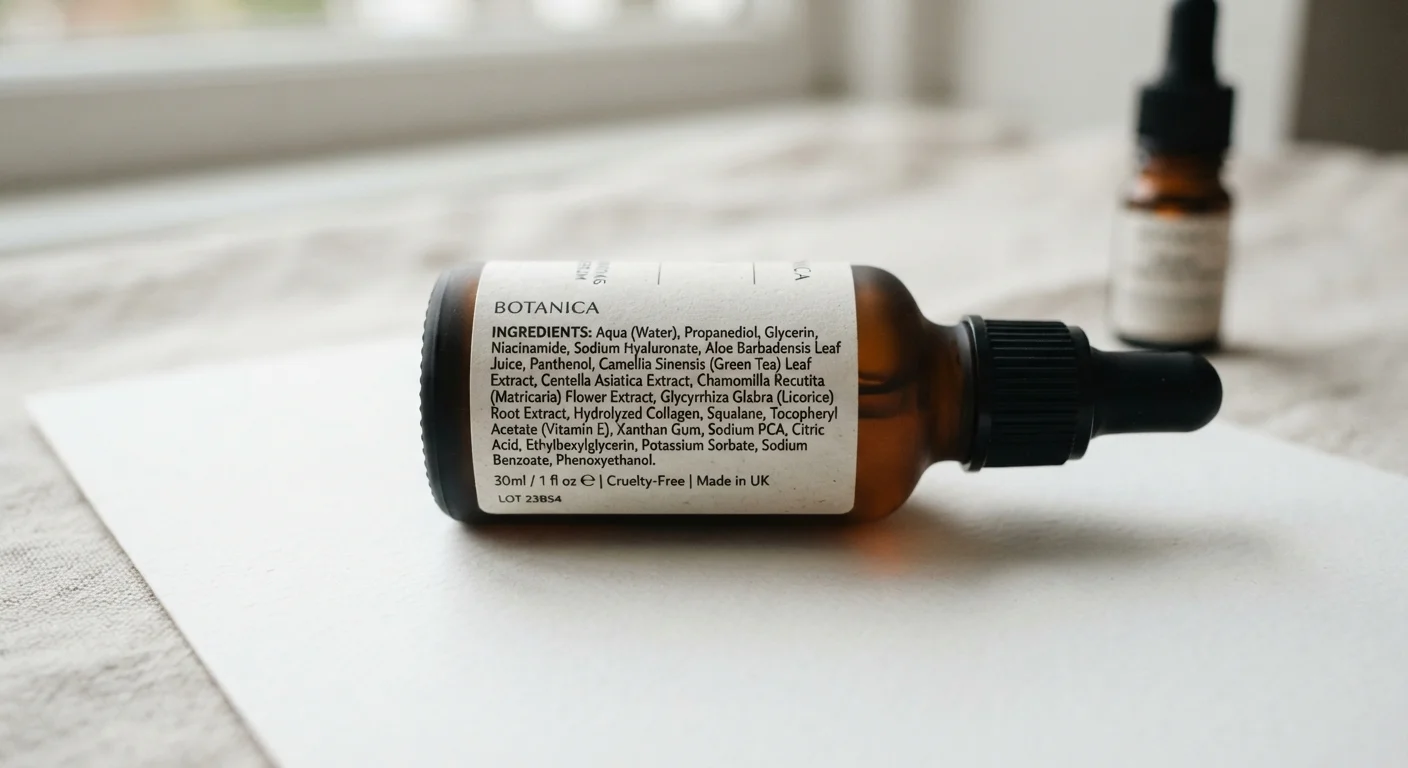
Understanding ingredient choices in the products you use during this period also matters. For grounded context on common haircare ingredients, the research on sulfates, parabens, and silicones is worth reviewing before building a maintenance routine.
This article is for general informational purposes only. If you are experiencing hair loss, scalp pain, or follicle inflammation, consult a board-certified dermatologist or trichologist for personalized guidance.