
The Growth vs. Retention Distinction
Most people experiencing apparent stalled growth are, in fact, growing hair at a fairly normal rate - roughly half an inch per month on average. The problem is that new growth is being cancelled out by breakage at roughly the same pace. Understanding this distinction is the starting point for any real progress.
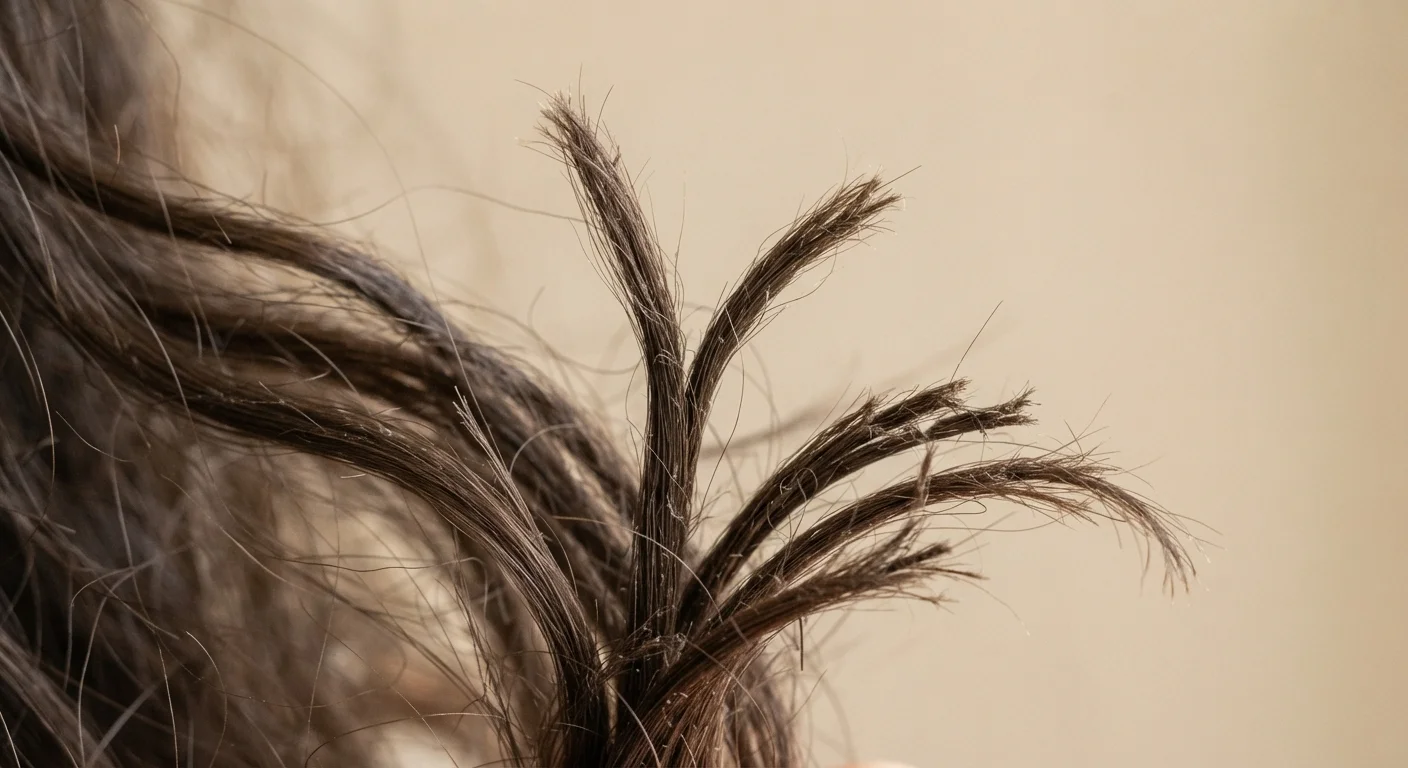
Breakage differs from shedding. Shed hairs detach from the follicle with a small white bulb at the root. Broken strands snap somewhere along the shaft and have no bulb. If you are finding short, uneven pieces throughout your hair after detangling, breakage is almost certainly the diagnosis, not slowed growth. Addressing it requires identifying which care habits or structural factors are weakening the strand - and that is where most people stall.
For a broader look at how hair-related misconceptions can misdirect care efforts, see our breakdown of persistent hair-loss myths.
Common Mistakes That Cause Breakage
The errors below represent the most frequently encountered - and frequently misunderstood - reasons hair breaks before it retains length. Each one is diagnosable and correctable.
Skipping or imbalancing moisture and protein treatments.
Why it happens: Many people focus exclusively on moisture - or swing to heavy protein treatments without assessing their hair's actual needs - creating either hygral fatigue (over-softened, limp strands that snap) or protein overload (stiff, brittle hair).
Using heat tools at temperatures too high for the hair's porosity level.
Why it happens: Standard heat tool defaults are calibrated for coarser or lower-porosity hair. High-porosity or chemically processed hair - which already has compromised cuticle integrity - sustains internal protein degradation at temperatures that feel routine.
Detangling dry hair or starting from the roots.
Why it happens: Rushing through styling or detangling without added slip creates enormous mechanical tension on tangled strands. Starting from the roots drags knots down the entire length, multiplying breakage.
Wearing protective styles too long or with excessive tension at the root.
Why it happens: Protective styles are commonly understood as inherently safe, which leads people to leave them in well beyond the point of benefit. Overly tight installation places traction stress on follicles, and extended wear allows matting, dryness, and single-strand knots to accumulate.
Neglecting regular trims under the assumption that trimming stunts growth.
Why it happens: A widely held misconception equates trimming with losing length. In reality, untrimmed split ends travel up the hair shaft over time, causing progressively worse breakage higher on the strand.
When protective styling is part of your retention strategy, the approach matters as much as the style itself. Our guide to protective styling benefits and trade-offs details what to watch for.
Traction Alopecia Is a Real Risk
Repeated or sustained tension on the hairline and scalp - from tight styles, heavy extensions, or chronic pulling - can progress from temporary thinning to permanent follicle damage known as traction alopecia. Early signs include tenderness, small pimples along the hairline, and miniaturised hairs at the edges. If you notice these signs, discontinue the tension-causing style and consult a dermatologist promptly, as early intervention significantly improves outcomes.
This article is for general informational purposes only and does not constitute medical or dermatological advice. If you are experiencing significant hair loss, scalp changes, or breakage that does not respond to care adjustments, consult a board-certified dermatologist or trichologist for a professional evaluation.