
Why Sea Days Have an Undeserved Reputation
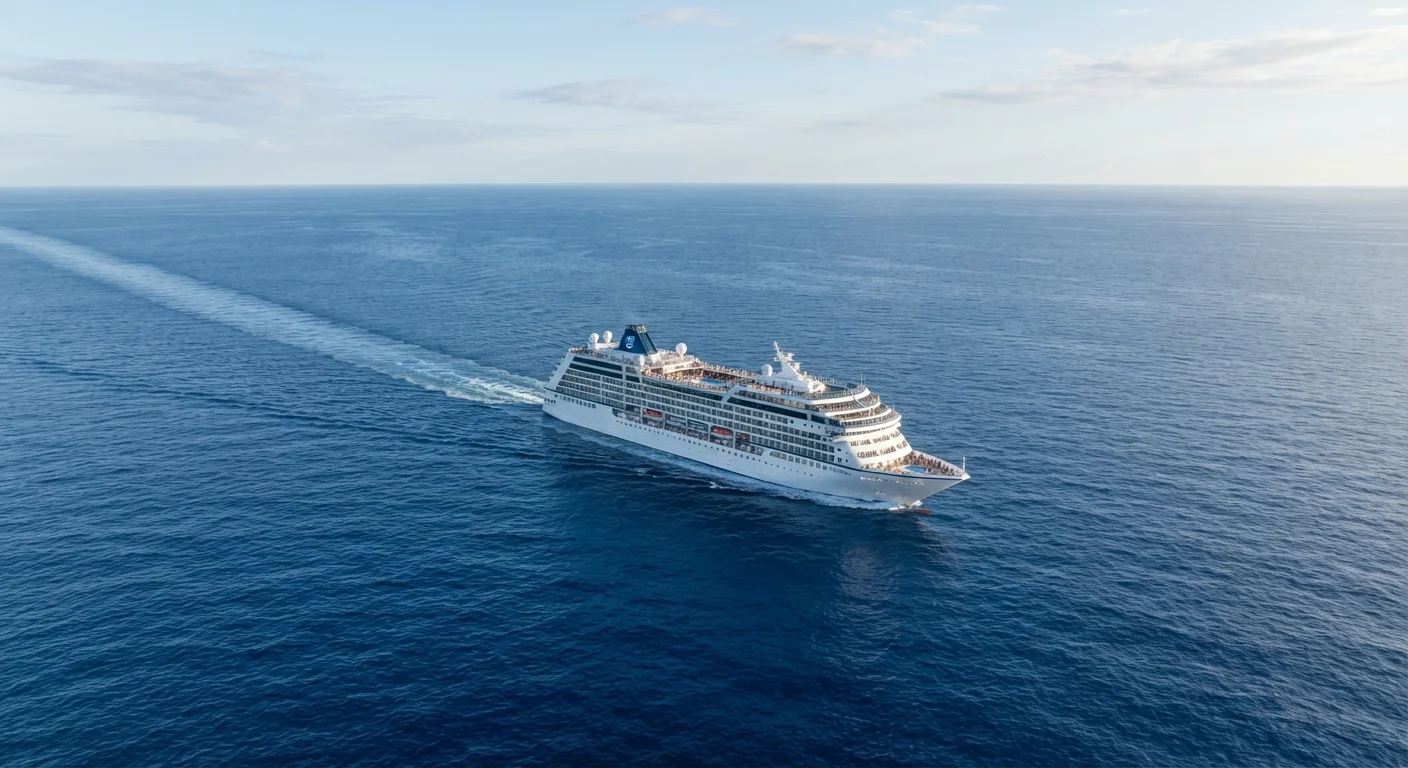
Ask a first-time cruiser what worries them most about their itinerary and sea days often top the list. The image is a familiar one: hours of featureless ocean, nothing to do, and a creeping sense of wasted vacation time. That perception keeps some travelers away from itineraries that include multiple sea days - and it's largely built on myth.
Sea days are not design oversights or unavoidable transit penalties. They are deliberate elements of cruise itineraries, engineered to give passengers time to use the ship itself. Understanding what actually happens during those hours at sea changes the calculus entirely. For context on how sea days fit into the broader structure of a voyage, reading a cruise itinerary carefully reveals details most travelers overlook when comparing sailings.
Myth
There's nothing to do on a sea day - you just sit and watch the water.
Fact
Modern cruise ships operate as self-contained resorts with full programming on sea days, including live entertainment, fitness classes, cooking demonstrations, trivia, pools, spas, and specialty dining.
The programming calendar on a sea day is typically denser than on a port day, precisely because the ship knows passengers are on board all day. Expect rotating activities from morning through late night: fitness and wellness classes, culinary demonstrations, art auctions, game shows, theatrical performances, and enrichment lectures ranging from navigation to destination history. Passengers who complain of boredom on sea days frequently haven't reviewed the daily schedule, which ships distribute the evening before.
Myth
Sea days mean rough water and seasickness the whole time.
Fact
Most sea days occur on calm or moderate seas, and modern ships use stabilizers that significantly reduce motion. Seasickness affects a minority of passengers and is manageable with widely available remedies.
Large contemporary cruise vessels are equipped with active stabilizer fins that counteract wave motion, making noticeable rocking uncommon except in genuinely severe weather. Itineraries through the Caribbean, Mediterranean, and Alaska's Inside Passage typically traverse sheltered or predictably calm waters. For passengers who are susceptible to motion sickness, over-the-counter remedies, prescription patches, and pressure-point wristbands are all options - though travelers should consult a healthcare provider before using any medication. The ship's medical center can also advise on board.
Myth
Sea days are only good if you like lying by the pool - they're not for active travelers.
Fact
Sea days offer some of the most activity-dense time on any cruise, with options that suit athletes, learners, foodies, and social travelers equally.
Many ships feature running tracks, rock-climbing walls, basketball courts, golf simulators, and water slides that are most accessible on sea days when passengers aren't dispersed ashore. Enrichment programs - language classes, photography workshops, wine tastings, and guest lectures - tend to be scheduled specifically on sea days. For travelers who find port days rushed, sea days provide the unhurried environment to engage deeply with onboard programming they've already paid for.
Myth
Sea days are wasted time - you could spend those hours exploring another port instead.
Fact
Sea days serve both logistical and experiential purposes; replacing them with port stops would require fundamentally different itinerary distances and ship speeds.
The number of sea days in an itinerary is largely determined by geography - the distances between ports require transit time at the speeds cruise ships operate. Adding more port stops to eliminate sea days would either require dramatically shorter time in each port or a different routing entirely. More importantly, experienced cruisers often report that removing sea days from a heavy port schedule leads to fatigue and diminished enjoyment of later destinations. Sea days function as recovery time that sustains energy across a multi-week voyage.
Myth
The ship feels overcrowded and claustrophobic when everyone is on board all day.
Fact
Because passengers spread across multiple venues and decks, sea days often feel less congested than embarkation day or days when a popular port stop keeps many passengers on board.
A sea day distributes passengers across pools, dining rooms, theaters, spas, libraries, sports decks, and cabins simultaneously. The concentration of people in any single area is typically lower than during embarkation or when tendering delays keep passengers waiting in common areas. The perception of crowding on sea days tends to peak at the main pool during peak afternoon hours - a timing issue easily managed by choosing alternative venues or off-peak pool hours in the morning or evening.
What the Data and Experienced Cruisers Actually Say
Repeat cruisers - passengers who have sailed three or more times - consistently rate sea days among their most satisfying onboard experiences, according to passenger satisfaction research cited by major cruise industry bodies. The reasoning is straightforward: port days involve logistics, time pressure, and physical exertion. Sea days remove all of that.
67%
Repeat cruisers who enjoy sea days
Cruise Lines International Association (CLIA) passenger research has consistently found that a majority of experienced cruisers rate sea days positively, citing rest and onboard exploration as primary reasons.
20+
Scheduled activities on a typical sea day
Industry estimates suggest large contemporary cruise ships offer upwards of 20 distinct scheduled activities per sea day, not counting passive amenities like pools, spas, and dining venues.
The contrast between port days and sea days is worth understanding on its own terms. What a port day actually involves - the early wake-ups, tender queues, and the constant awareness of a ship departure deadline - can make a sea day feel like genuine relief rather than disappointment.
Don't Skip Packing for Sea Day Comfort
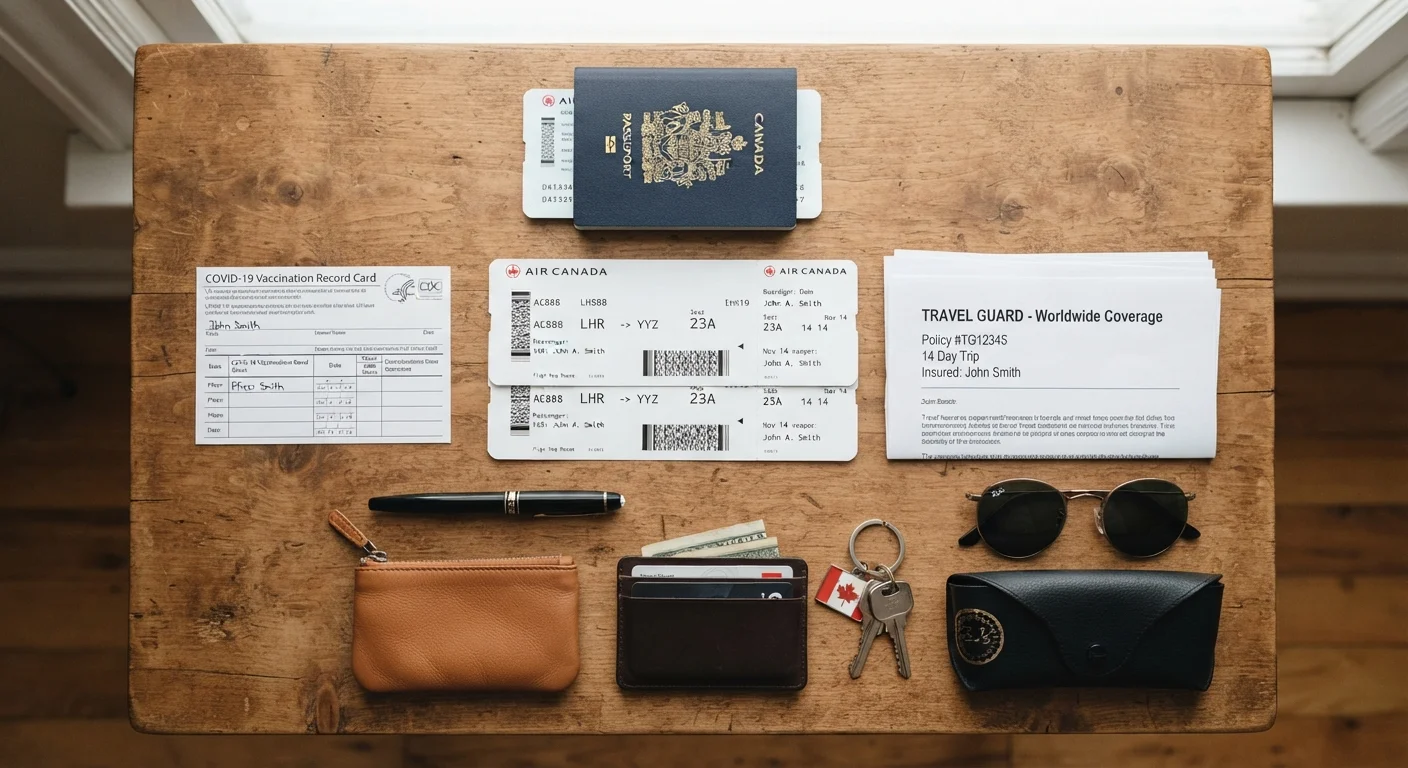
Sea days are when passengers most often discover they've underpacked leisure essentials - sunscreen, a good book, light layers for air-conditioned interiors, or appropriate footwear for onboard activities. Reviewing common cruise packing mistakes before departure helps ensure sea days are enjoyable rather than logistically frustrating. Also confirm your pre-departure checklist covers all documentation and onboard account setup well before sailing day.
Itinerary choice shapes how many sea days you encounter. Transatlantic and repositioning cruises naturally include more sea days, while short Caribbean loops may have only one or two. Travelers comparing ocean options will find the Mediterranean versus Caribbean cruise comparison useful for understanding how itinerary structure affects the sea-day ratio before booking.