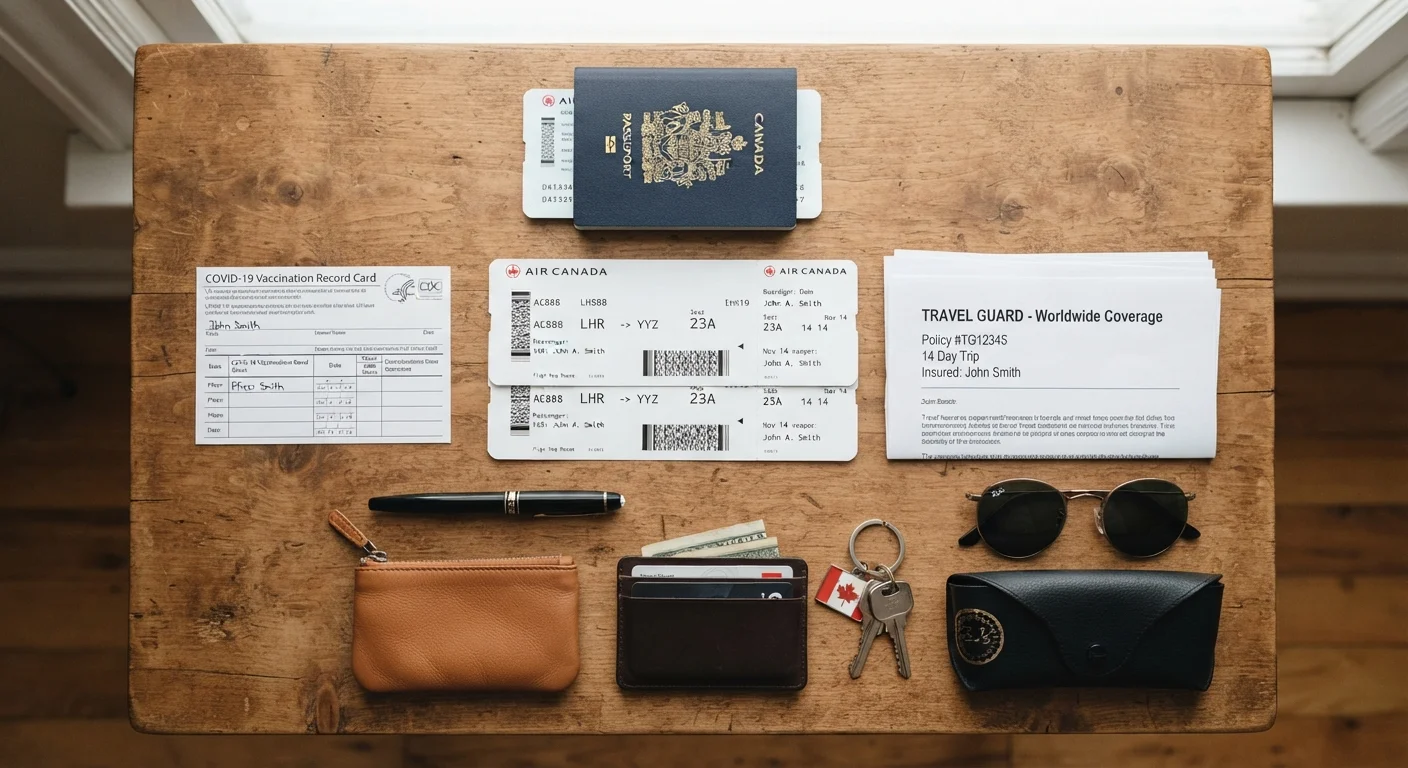


What Actually Happens on a Port Day
A port day begins well before you step off the ship. The vessel arrives at a scheduled time - often early morning - and passengers disembark through either a docked gangway or a tender boat system. The ship stays in port for a defined window, which can range from as few as five hours to a full day, depending on the itinerary. During that time, you're responsible for your own movements, safety, and return timing.
Port days are not simply free time - they require active planning. The destination, port layout, transport availability, and local context all shape what's realistic to accomplish. A port in a compact Caribbean town is a fundamentally different planning exercise than a sprawling European city with multiple attractions spread across kilometers. Understanding your port before arrival is the difference between a satisfying day ashore and a rushed, disorienting one.
Tender Ports Add Time to Your Ashore Plan
At tender ports, the ship anchors offshore and passengers board small boats to reach land. This process can add 20-45 minutes each way, and tender queues during peak morning hours can extend that further. Factor tender time into your itinerary to avoid cutting your time ashore too close. Check your ship's daily program the night before to understand whether your next port is docked or tendered.
What you will need
Tools and Preparation You'll Need
Effective port days are built on a small set of consistently useful resources. Your ship's daily program is the most important document you'll have - it confirms timing and port logistics. Beyond that, offline navigation, local payment options, and the right day bag make a measurable difference.
Cruise Daily Program
Lists the confirmed all-aboard time, tender vs. docked status, and port-specific notes for the next day.
Offline Maps Application
Provides navigation ashore without relying on cellular data or port Wi-Fi.
Local Currency or Travel Card
Ensures you can pay at markets, independent restaurants, and transport options that don't accept cards.
Waterproof Day Bag
Carries essentials - documents, water, sunscreen - during shore excursions in varying weather.
Ship Identification Card
Required for re-boarding; some ports also use it for security screening at the gangway.
Read the Port Brief Before You Disembark
Most cruise lines distribute a destination overview - sometimes called a port guide or port brief - the evening before arrival. It typically includes the ship's docking location, local transport options, currency notes, and any safety advisories. Reading it takes ten minutes and can meaningfully sharpen your plan for the day.
Step-by-Step: Planning and Executing Your Port Day
Follow these steps from the evening before arrival through re-boarding to make the most of your time ashore without unnecessary stress.
Confirm your port schedule the evening before
The night before each port call, review your ship's daily program. Note the specific all-aboard time - not just the listed departure - and confirm whether the ship is docking at a pier or anchoring offshore (tender port). These two variables determine how much usable time you actually have ashore. For itinerary decoding help, see how to read a cruise itinerary.
Decide how you'll spend your time ashore
Choose between a ship-organized excursion, an independently arranged tour, or self-guided exploration. Each approach has meaningful trade-offs around cost, flexibility, and logistics. Ship-organized tours typically guarantee your return before departure; independent options offer more freedom but place the timing risk entirely on you. Our shore excursion planning guide covers those trade-offs in detail.
Prepare your documents and essentials before leaving the ship
Bring your ship identification card, passport or relevant travel document, and any currency or payment method you'll need ashore. Leave non-essential valuables on the ship. Pack water, sunscreen, and any medication you might need for the day. Check that your phone has an offline map downloaded for the port city - cellular coverage and Wi-Fi at port can be unreliable or expensive.
Disembark strategically to avoid peak crowds
The first hour after a ship docks is typically the busiest for gangway queues, tender loading, and port shuttle lines. If your plan allows flexibility, disembarking 45-60 minutes after doors open often means shorter waits and a less congested pier arrival. Conversely, if you have a time-sensitive excursion, join the queue early to ensure you don't miss your tour group's departure window.
Build your day around a firm return buffer
Structure your shore time backward from the all-aboard time. Allow at minimum 30-45 minutes as a return buffer, and more - up to 90 minutes - if you're at a tender port or relying on local transport to reach the ship. Unexpected delays (traffic, late tenders, long queues) are common. Having a clear turnaround point in your day plan prevents the stressful sprint back to the gangway that many first-time cruisers experience.
Re-board with time to spare and decompress
Once back aboard, take note of what worked and what you'd adjust for future port days. Packing choices often reveal themselves at port - see common cruise packing pitfalls if you found yourself carrying too much or missing something critical. Use sea days between ports to plan the next stop - and if you're curious what those days actually offer, sea day myths debunked is worth a read.
Missing the Ship Is Your Responsibility
If you are not back aboard by the published all-aboard time, the ship will depart without you. This applies equally to passengers on independent tours and those on ship-organized excursions. Know the all-aboard time for every port - not just the scheduled departure time - and plan your day around it with a conservative buffer.
Adjusting Your Approach by Destination
Not every port day looks the same. At destinations like the Norwegian fjords - where scenery is the primary draw and towns are small - a slower, more scenic approach often fits better than a structured itinerary. For guidance on a specific region, Norway's fjords by ship covers what to realistically expect.
Before your cruise departs, it's worth completing a broader readiness check. Entry requirements, health documentation, and port arrival windows are all worth verifying in advance - the pre-sailing readiness checklist walks through what to confirm before boarding. Travel conditions and entry rules can change; always verify current requirements with official government and carrier sources before you travel.