
The Core Trade-Off: Convenience vs. Control
Every port day presents a fork in the road: join a ship-organized excursion or venture ashore independently. Each path carries genuine advantages and real limitations, and the decision is rarely as simple as cost alone.
Ship-organized excursions are pre-vetted packages sold through the cruise line. Guides, transportation, and timing are handled for you, and - critically - the ship is obligated to wait if a sanctioned tour runs late due to circumstances outside passenger control. That guarantee is not trivial when a tender delay or traffic backup could otherwise strand you.
Independent exploration means arranging your own time ashore: booking third-party tours, hiring local guides, renting vehicles, or simply walking the port town on your own terms. The trade-off is personal accountability - if you miss sailaway, the ship is not required to hold its departure. See our full breakdown of how port days work for a clearer picture of typical schedules and time constraints.
| Ship-Organized Tours | Independent Exploration | |
|---|---|---|
| Sailaway guarantee | Yes - ship waits if tour runs late | No - passenger bears full risk |
| Flexibility | Fixed itinerary and pace | Full control over time and routing |
| Typical cost | Higher (cruise line margin included) | Often lower for comparable activities |
| Liability coverage | Covered under cruise line framework | Dependent on personal travel insurance |
| Best for complex destinations | Strong fit - logistics handled | Requires thorough advance research |
| Local immersion | More scripted, tourist-focused | Greater access to authentic experiences |
| Group coordination | Managed by tour operator | Requires self-coordination |
Logistics, Risk, and the Sailaway Factor
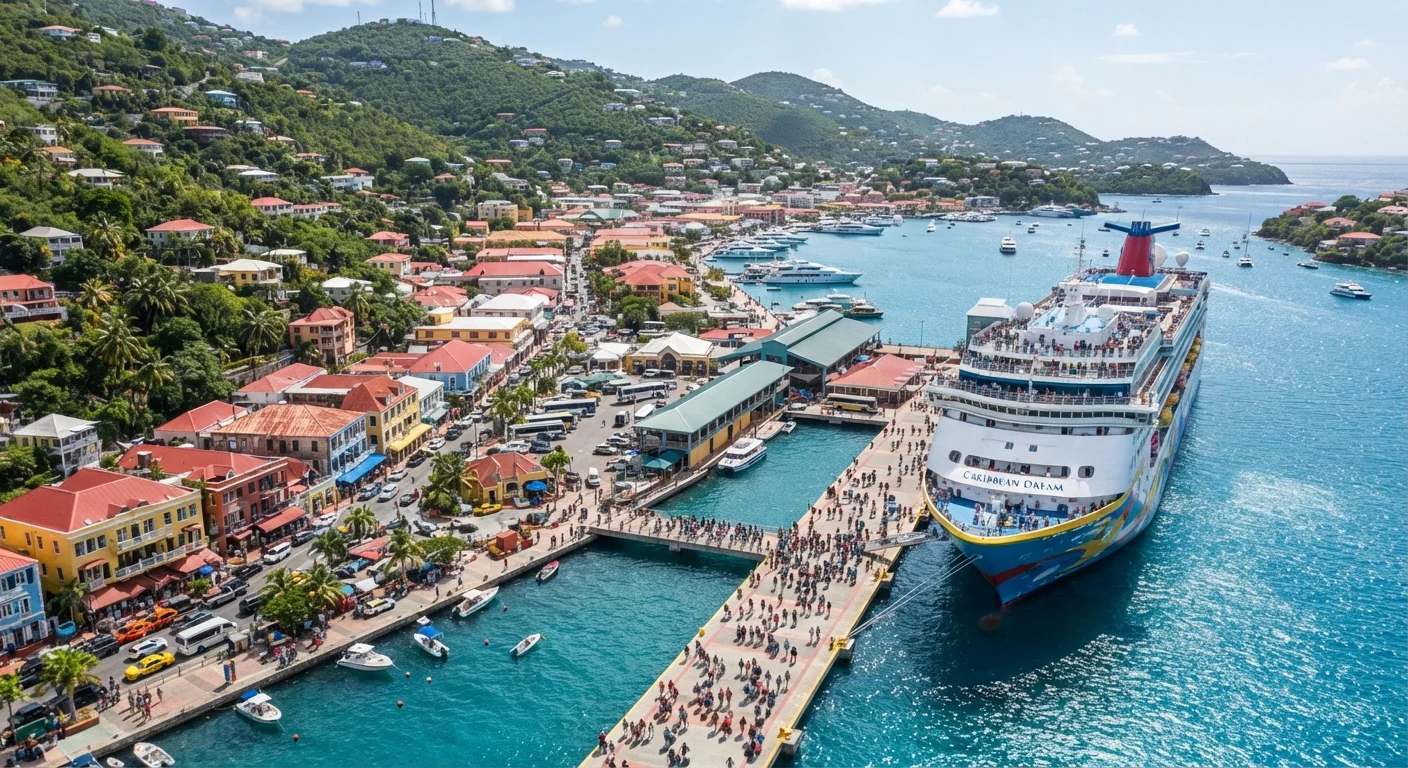
The single biggest operational risk of independent excursions is missing the ship. Cruise lines publish all-aboard times - typically 30 to 60 minutes before departure - and those deadlines are enforced. Travelers who miss sailaway bear full responsibility for catching up to the vessel at the next port, including flights, hotels, and any costs involved.
Missing Sailaway Is Your Responsibility
If you book independently and return to the pier after the all-aboard time, the ship is not required to wait. You will need to arrange and fund your own transportation to the ship's next port of call, which may involve flights, hotels, and significant unplanned expense. Always build a conservative time buffer into any independent excursion plan, and know the exact all-aboard time before you leave the pier.
Destination complexity also matters. Some ports - particularly in regions with limited English signage, inconsistent taxi infrastructure, or elevated safety advisories - reward the structured approach of a ship tour. Others, like well-touristed Mediterranean or Alaskan ports with clear pedestrian zones, are easily navigated independently.
For those traveling in groups, independent coordination introduces additional logistics. Group itinerary planning requires alignment on timing, pace, and priorities - factors a guided excursion handles by default.
30-60 min
Typical all-aboard buffer before sailaway
Most cruise lines require passengers to return to the ship 30 to 60 minutes before the scheduled departure time, leaving little margin for independent delays.
~50%
Cruisers who book at least one independent excursion
Industry surveys have consistently indicated that roughly half of cruise passengers arrange at least one port activity outside ship-organized programs on a given voyage.
Cost Considerations and Coverage
Ship excursions carry a premium. The cruise line takes a margin on every booking, and pricing reflects the convenience and guarantee they provide. A comparable tour booked directly through a local operator or reputable third-party platform will often cost less for the same activity - though not always, and the gap varies significantly by destination.
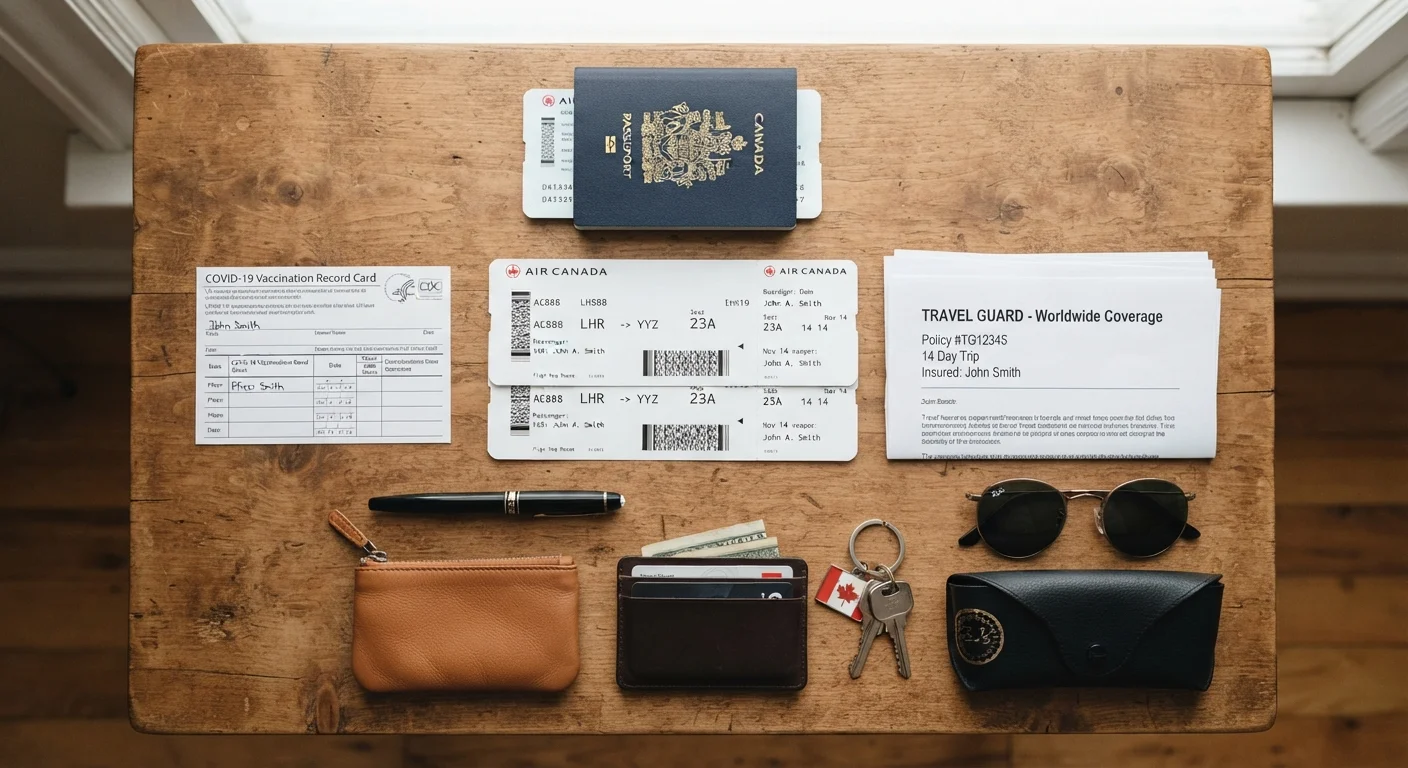
What travelers sometimes overlook is the insurance dimension. Ship-organized tours are generally included within the cruise line's own liability framework. Independent bookings are not. This distinction matters if something goes wrong - a vehicle accident, a canceled activity, or an injury during a self-arranged excursion. Travelers should review their travel insurance coverage before departure to understand what is and is not protected under independent arrangements. This is general information; consult your policy documents and a licensed insurance professional for guidance specific to your situation.
For a broader framework on structuring independent travel decisions, first-time independent travel planning offers a useful starting point. Those weighing guided versus unguided formats more broadly will also find value in this comparison of self-guided and guided tours.
How to Decide at Each Port
A practical approach is to evaluate each port individually rather than applying a blanket strategy across your entire itinerary. Consider these factors before committing either way:
- Port walkability: Can you reach meaningful attractions on foot from the pier? Many Caribbean and European ports have pedestrian-friendly centers within a short walk of the dock.
- Time ashore: Short port windows - under five hours - leave little buffer for independent logistics. Ship tours use that time efficiently by design.
- Destination infrastructure: Research local transportation reliability and any active safety or entry advisories. The U.S. State Department and cruise line destination guides are reasonable starting points, though conditions change and travelers should verify before departure.
- Activity type: Some experiences - remote jungle treks, off-road excursions, or water activities in unfamiliar areas - carry inherent risks that a vetted operator may manage more reliably.
- Group composition: Traveling with children, elderly companions, or anyone with mobility considerations may tip the balance toward structured tours that account for these needs in advance.
Trip planning resources can help you build a port-by-port decision framework before you board.
This article is for general informational purposes only. Travel conditions, port schedules, and insurance coverage vary; always verify details with your cruise line, relevant government authorities, and a licensed insurance professional before travel.