
What Each Format Actually Means
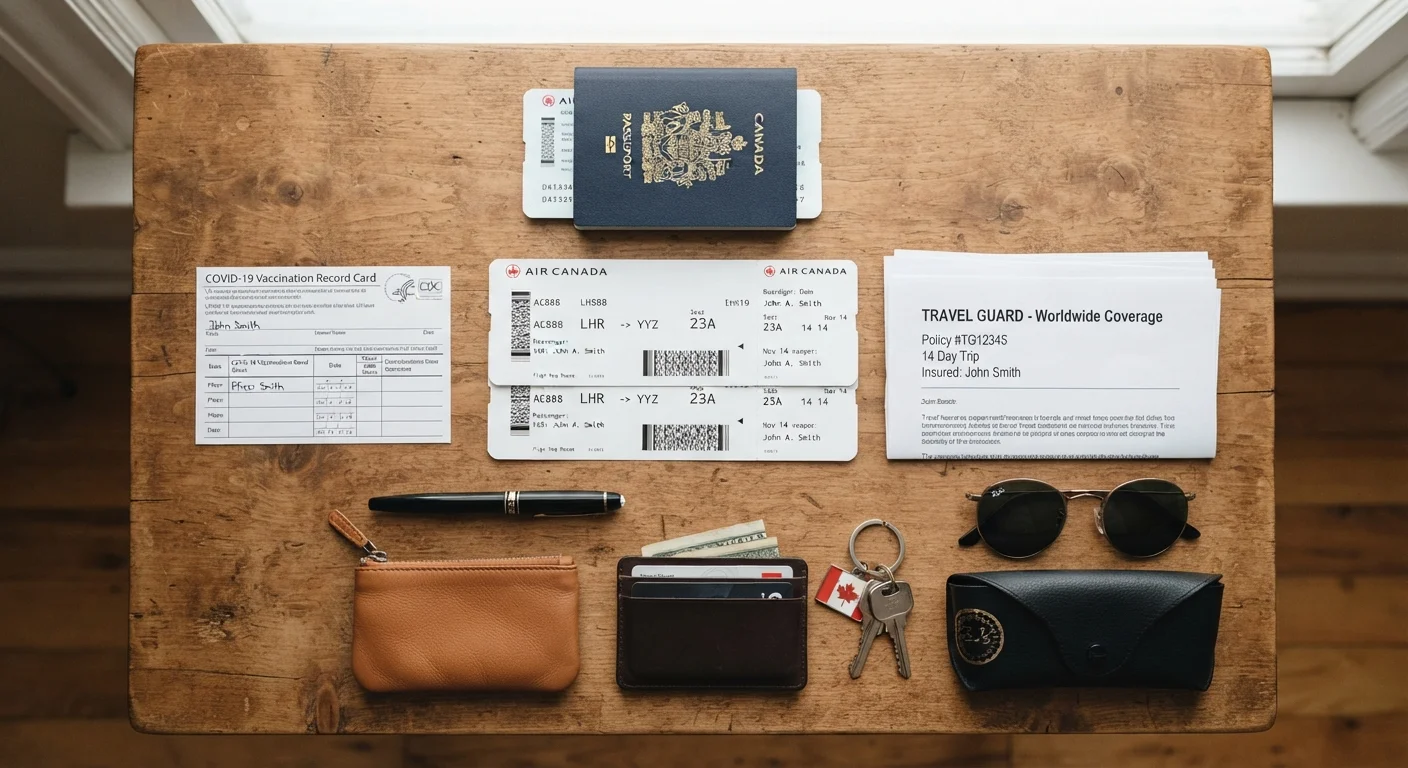
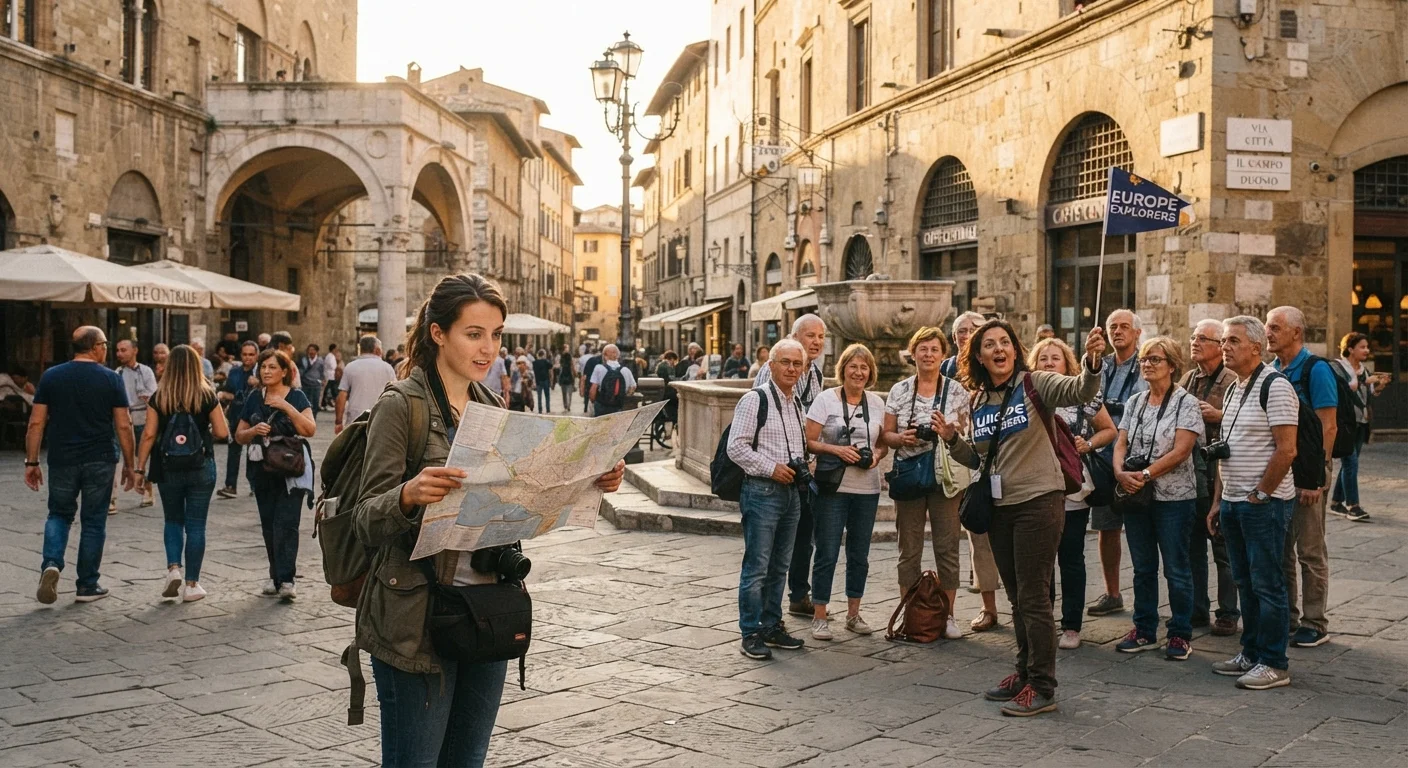
The distinction between guided and self-guided travel is more nuanced than it first appears. A guided tour involves a pre-arranged itinerary led by a professional guide or tour operator — transportation, accommodations, entry fees, and sequencing are typically handled on your behalf. A self-guided trip puts the traveler in charge of every element: routing, booking, timing, and on-the-ground navigation.
Between these poles sits a meaningful middle ground. Many travelers book a self-planned framework and slot in guided experiences — a walking tour of a historic district, a cooking class, or a day excursion — at high-value moments. This hybrid approach is worth considering before defaulting to either extreme.
For travelers venturing ashore during a cruise, the choice takes on additional dimensions. Shore excursion planning involves its own set of risk and logistics factors, from ship departure times to port-area infrastructure, that don't apply to land-based travel.
Flexibility vs. Logistics: The Core Trade-Off
The most significant practical difference between the two formats is the trade-off between flexibility and pre-arranged logistics. Guided tours excel at removing friction — transfers, accommodation, and sequencing are resolved before departure. This matters considerably in destinations with challenging infrastructure, limited English signage, or permit-gated attractions.
Self-guided travel, by contrast, allows travelers to respond to conditions in real time. If a city unexpectedly resonates, you stay longer. If a stop disappoints, you move on. This kind of responsive pacing is difficult to replicate inside a fixed group itinerary. Building appropriate slack into any itinerary — guided or not — remains one of the most overlooked planning disciplines.
Consider a Hybrid Approach
Many experienced travelers book a self-planned trip framework and layer in specific guided experiences — a local walking tour, a permitted nature excursion, or a cooking class — at points where expert knowledge adds the most value. This preserves day-to-day autonomy while capturing the interpretive depth that guided formats do best. It also tends to reduce the all-or-nothing pressure of committing to a single format for an entire trip.
The flexibility advantage of self-guided travel narrows significantly in destinations with unreliable public transit, scarce accommodation options, or safety considerations that benefit from local guide knowledge. Assess destination complexity honestly before defaulting to independent travel.
Cost Dynamics: What You're Actually Comparing
| Self-Guided | Guided Tour | |
|---|---|---|
| Scheduling flexibility | High — fully adjustable in real time | Low — fixed group itinerary |
| Logistical burden | High — traveler manages all bookings | Low — operator handles logistics |
| Expert interpretation | Limited — relies on self-research | High — licensed guides included |
| Cost transparency | High — itemized and controllable | Lower — bundled pricing |
| Social experience | Solo or self-selected companions | Built-in group dynamic |
| Best destination fit | Well-documented, accessible regions | Complex, remote, or permit-gated areas |
| Spontaneity | High — route adjustable daily | Minimal — changes affect group |
Guided tour pricing typically bundles accommodation, transport, and some meals into a single figure — which can obscure both value and limitations. Self-guided travel costs are more transparent but require active management. Flights, accommodation, ground transport, entry fees, and meals must all be tracked individually.
In some destinations, group purchasing power means guided tour operators secure access or accommodation that individual travelers cannot match at a comparable price point. In others — particularly Western Europe or established Southeast Asian backpacker routes — self-guided travel can be structured at a significantly lower per-day cost.
Duration matters too. A 14-day guided tour to a remote or permit-gated region may be the only practical path for a traveler with limited planning time. A long-haul self-guided trip to a well-documented destination often yields better value over the same span.
Experience Quality and Depth
Quality of experience is harder to quantify but often drives the decision more than cost or logistics. Guided tours typically offer access to licensed guides with deep contextual knowledge — the kind of layered historical, cultural, or ecological interpretation that independent audio guides rarely replicate. For heritage sites, wildlife reserves, or culturally sensitive regions, this can substantially elevate what travelers actually take away from a destination.
Self-guided travel, conversely, tends to generate more unscripted encounters — conversations with locals, detours into neighborhoods not on any tour route, and the particular satisfaction of navigating a place on your own terms. These experiences are difficult to engineer but can define a trip in lasting ways.
A well-constructed self-guided itinerary can capture some of the depth benefits of guided travel — if it's built thoughtfully, with realistic daily pacing and genuine engagement with each destination rather than a checklist of sites.
Matching Format to Traveler Profile
Neither format suits every traveler or every trip. Guided tours tend to serve first-time visitors to complex destinations, solo travelers seeking social structure, and those whose time is limited and planning bandwidth is low. They also work well for group travel where differing preferences make consensus-building difficult.
Self-guided travel rewards those with prior destination familiarity, strong independent planning skills, or a specific travel style — slow travel, culinary-led trips, cycling routes — that fixed-group formats cannot accommodate. It also suits travelers who prioritize travel safety preparedness as a hands-on practice, rather than delegating it entirely to an operator.
A practical starting point: consider where your destination sits on the complexity spectrum, then assess honestly how much logistical management you're willing to take on before and during the trip. The answer will narrow the decision considerably.