
How Major Events Reshape a Destination
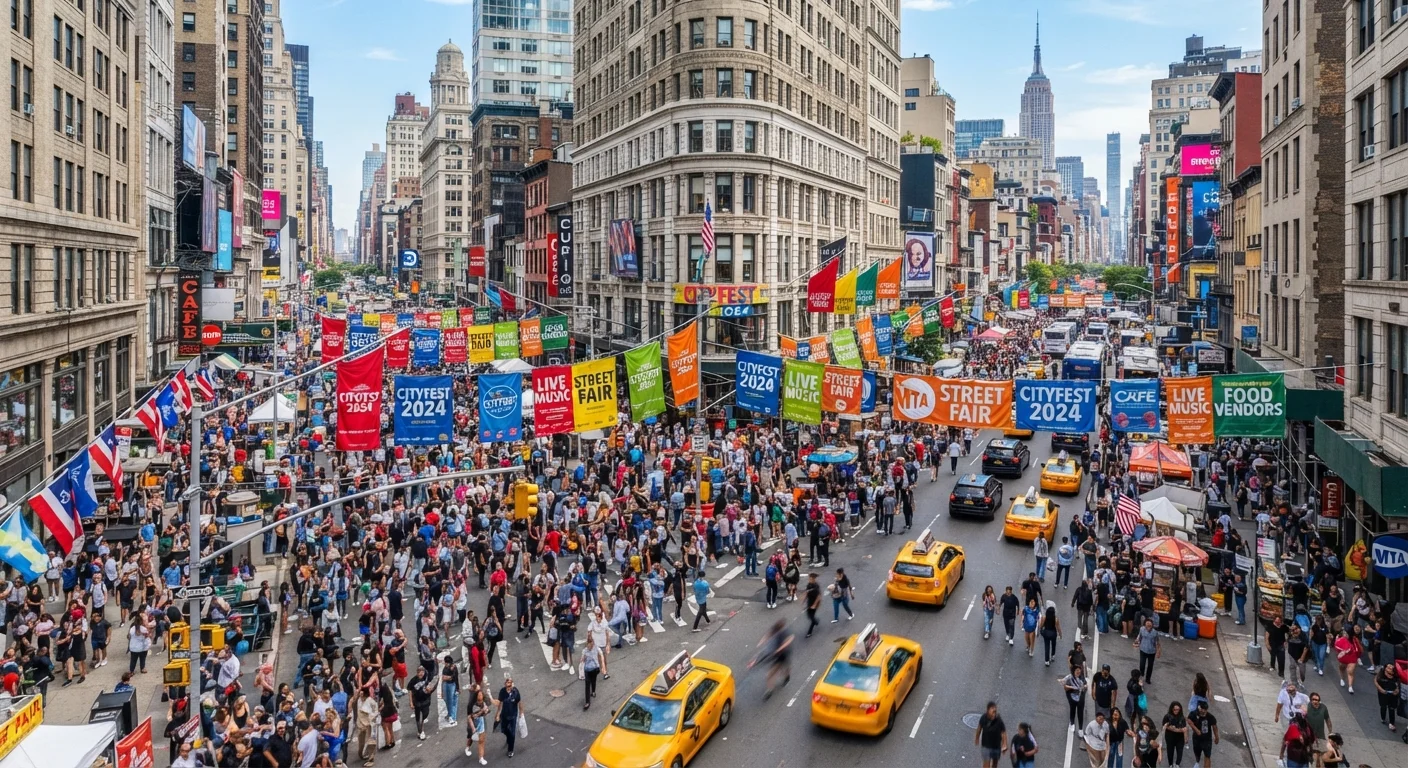
When a large-scale event — a major sporting championship, international festival, political summit, or headline concert series — descends on a city, it doesn't just fill stadiums. It fundamentally alters the traveler's environment. Hotel inventory compresses rapidly. Public transit becomes unpredictable. Popular restaurants fill days in advance. Even locals tend to reroute their daily habits.
US travelers often underestimate this effect, particularly when visiting a city they've been to before. A destination that felt manageable on a quiet weekend can feel entirely different during a major draw. Understanding how the event changes the environment — not just that it does — is the foundation of smarter planning. See how this fits into the broader framework in The Full Scope of Trip Planning for context across every stage.
2–4×
Typical accommodation price increase near major event venues
Industry data from hospitality analytics firms consistently shows hotel rates in event-adjacent areas multiply significantly compared to standard occupancy periods.
60%+
Hotel rooms that may be pre-booked before event announcement goes wide
For recurring major events, a significant share of venue-adjacent inventory is often secured by repeat attendees and travel companies well before general public awareness peaks.
Accommodation: Book Earlier Than You Think
Lodging is where event-driven disruption hits hardest. Properties within walking distance of a venue routinely sell out a year or more in advance for recurring major events. Prices at remaining inventory spike steeply — often two to four times the standard rate — as availability narrows.
Practical adjustments include widening your search radius beyond the event zone, considering neighborhoods served by reliable transit rather than proximity alone, and evaluating alternative accommodation types (extended-stay properties, vacation rentals) that may sit outside the surge pricing pattern. Weighing what to pre-book versus leave flexible takes on new urgency in this context — for event-centered trips, pre-booking lodging is rarely optional.
Consider the 'Halo Zone' for Lodging
Properties located one to three transit stops away from an event venue often offer substantially better availability and pricing than those directly adjacent. If the city has reliable metro or light rail service, this trade-off is usually low-cost in time and high-gain in comfort and value. Identify transit-connected neighborhoods early in your search rather than defaulting to proximity as the primary filter.
Best Practices for Event-Adjacent Trip Planning
The adjustments required aren't complicated, but they do need to be deliberate. Apply the following practices as early in your planning process as possible.
Research the event calendar before locking in any travel dates.
Booking dates without knowing what's happening at the destination can lead to unexpected conflicts, inflated costs, or logistical bottlenecks discovered too late to adjust. Event calendars for major recurring events are typically published a year or more in advance.
Book accommodation at least three to six months ahead for known major events.
Standard booking windows don't apply in event conditions. Waiting even a few weeks after event announcements can mean choosing between very limited inventory or properties far from your preferred location.
Map your transit options and identify backup routes before you arrive.
Event-day transit conditions change rapidly. Knowing alternative routes — including on foot, by rideshare, or via secondary transit lines — reduces stress and prevents missed connections.
Make dining and attraction reservations alongside your accommodation booking.
Popular restaurants near event zones often fill entirely during high-traffic periods. Treating dining reservations as a logistics task rather than an afterthought prevents limited food options on key evenings.
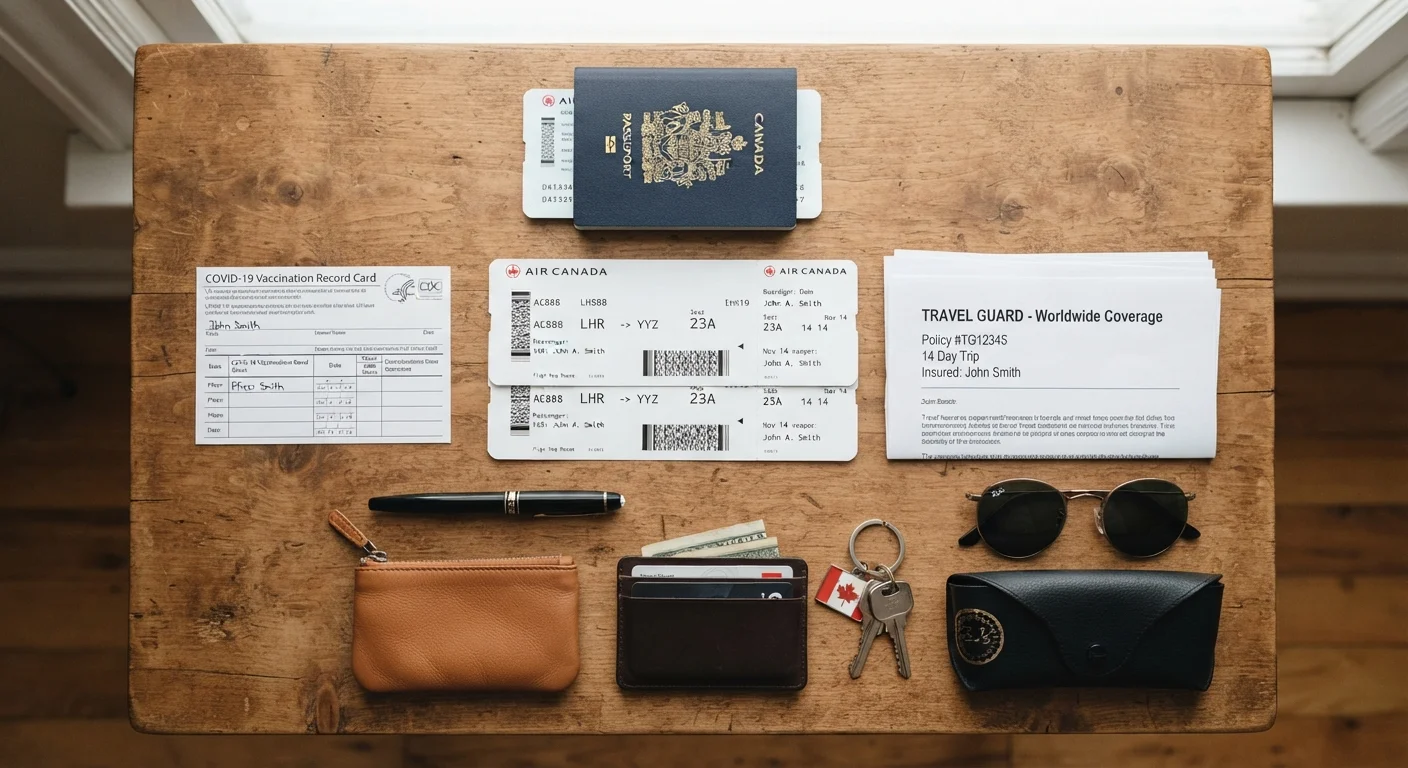
Purchase travel insurance that explicitly covers event-related disruptions.
Event cancellations, venue access changes, or transportation failures can unravel carefully made plans. Standard coverage may exclude these scenarios; verify the policy terms before purchasing.
Plan arrival and departure around the event's highest-congestion windows.
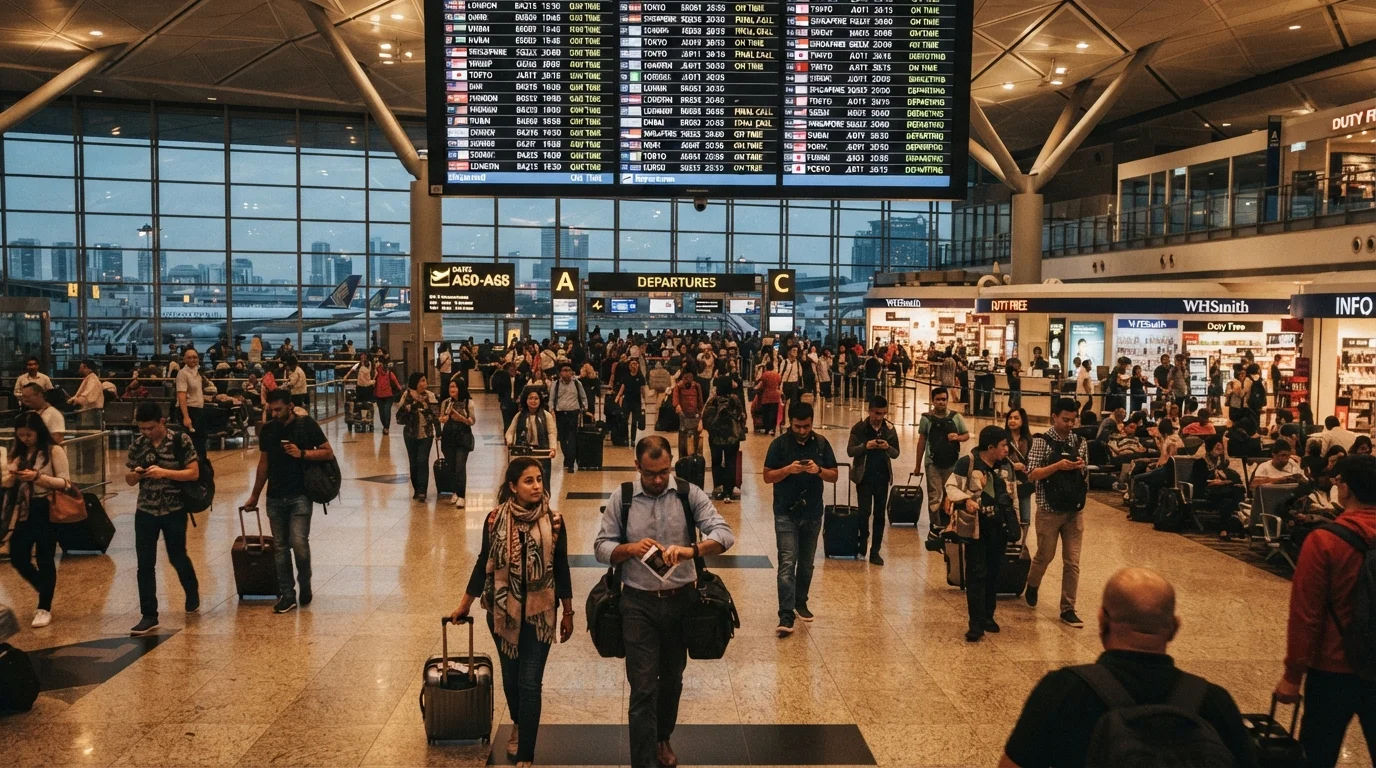
Airports, rail stations, and roads frequently surge on event opening and closing days. Arriving one day early or departing one day after can meaningfully reduce both stress and transit time.
Logistics, Safety, and What to Verify Independently
Large public gatherings bring elevated considerations around crowd safety, access restrictions, and local regulation. Some cities implement temporary road closures, alcohol restrictions, or expanded security perimeters during major events. Entry requirements to certain venues or zones may differ from what's published on official websites in the weeks leading up to the event.
Always verify current conditions through official city or event authority sources — not third-party aggregators — close to your departure date. For travelers with health concerns or those visiting with children or elderly companions, crowd density in transit hubs and public spaces deserves specific attention. Review essential travel safety guidance as a baseline, and revisit your travel insurance coverage to confirm it addresses event-related disruptions, including cancellations and delays.
Verify Entry Requirements and Restrictions Directly
Major events sometimes introduce temporary access restrictions, ticketed entry zones, or modified public transport schedules that aren't reflected on standard travel planning sites. Always check official city government websites and the event's own published guidance within two weeks of your trip. Conditions can change after the initial announcement, particularly for events involving security protocols.
Getting the Most From the Experience
Event-driven trips can be genuinely rewarding — the energy, shared atmosphere, and access to once-in-a-cycle programming are real draws. But the travelers who enjoy them most are those who plan for the environment as it will actually be, not as it normally is.
Build a detailed daily structure that accounts for longer transit times, pre-booked dining, and realistic crowd expectations. A well-structured itinerary helps you stay grounded when spontaneity becomes costly. If you're coordinating with others, the complexity multiplies — group travel logistics require even more lead time in high-demand environments. And if an event's timing doesn't align with your schedule, shoulder season alternatives may offer a more manageable — and more affordable — window.