
What Each Season Actually Means
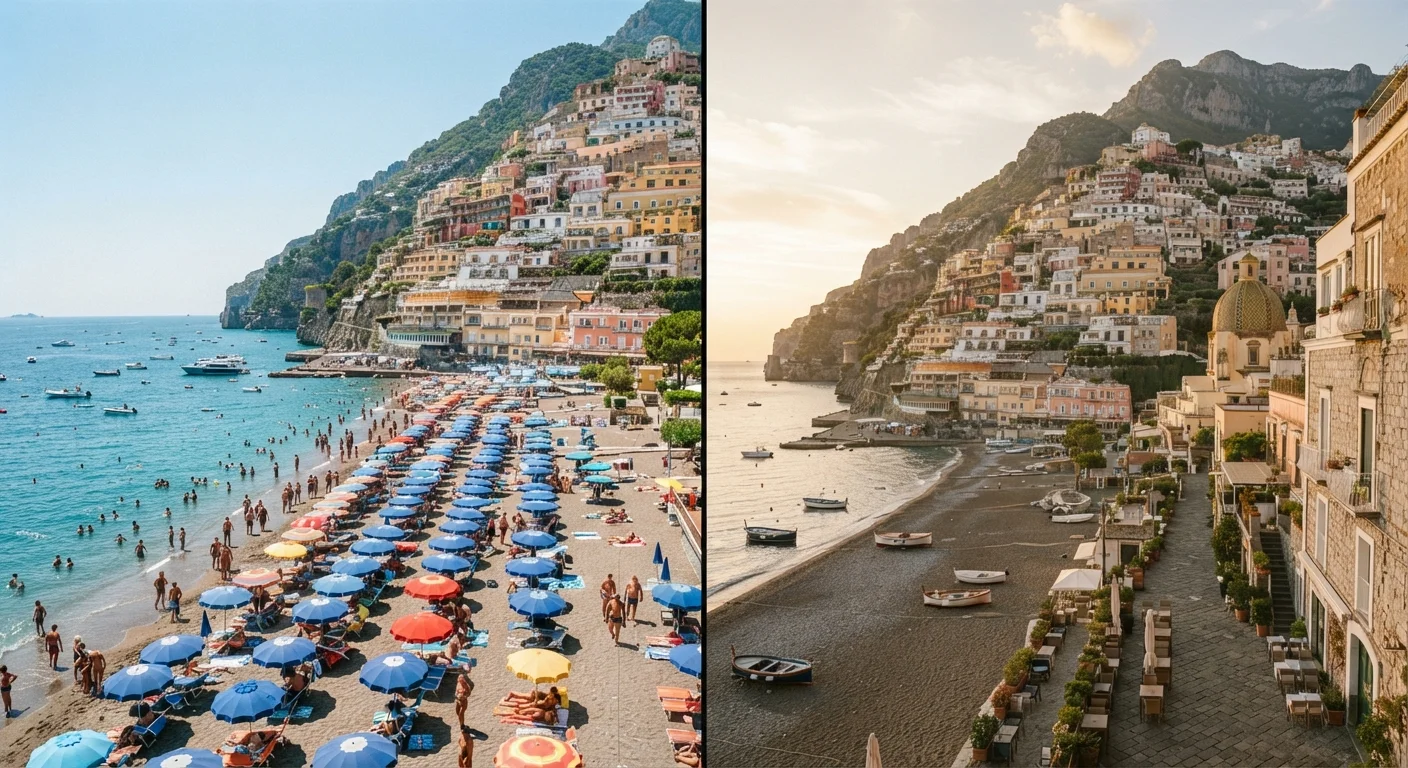
Peak season is the window when a destination sees its highest visitor volume, driven by favorable weather, school breaks, or cultural events. For coastal US destinations, that typically spans Memorial Day through Labor Day. For ski resorts, it clusters around winter holidays and February break. For European city trips, July and August dominate.
Shoulder season occupies the transitional months on either side—spring before the summer rush, or early fall after it ends. The exact dates vary by destination, but the defining characteristic is that demand drops enough to ease pressure on accommodation, transportation, and attractions without fully sacrificing operational capacity.
Understanding this distinction matters because neither window is universally superior. The right choice depends on what a specific destination offers during each window and what a traveler actually needs from the trip. See our guide to building a solid travel itinerary for how timing fits into broader trip architecture.
| Criterion | Peak Season | Shoulder Season |
|---|---|---|
| Crowd levels | High to very high | Moderate |
| Accommodation availability | Limited; book early | Generally broader |
| Pricing pressure | Highest of the year | Typically lower |
| Weather reliability | Most predictable | Variable but often mild |
| Attraction access | Full operations | Most open; some exceptions |
| Booking flexibility | Low; early commitment needed | Higher flexibility |
| Local atmosphere | Tourist-dominated | More resident presence |
| Event access | Festivals, seasonal events | Fewer signature events |
Crowds, Access, and the Quality of Experience
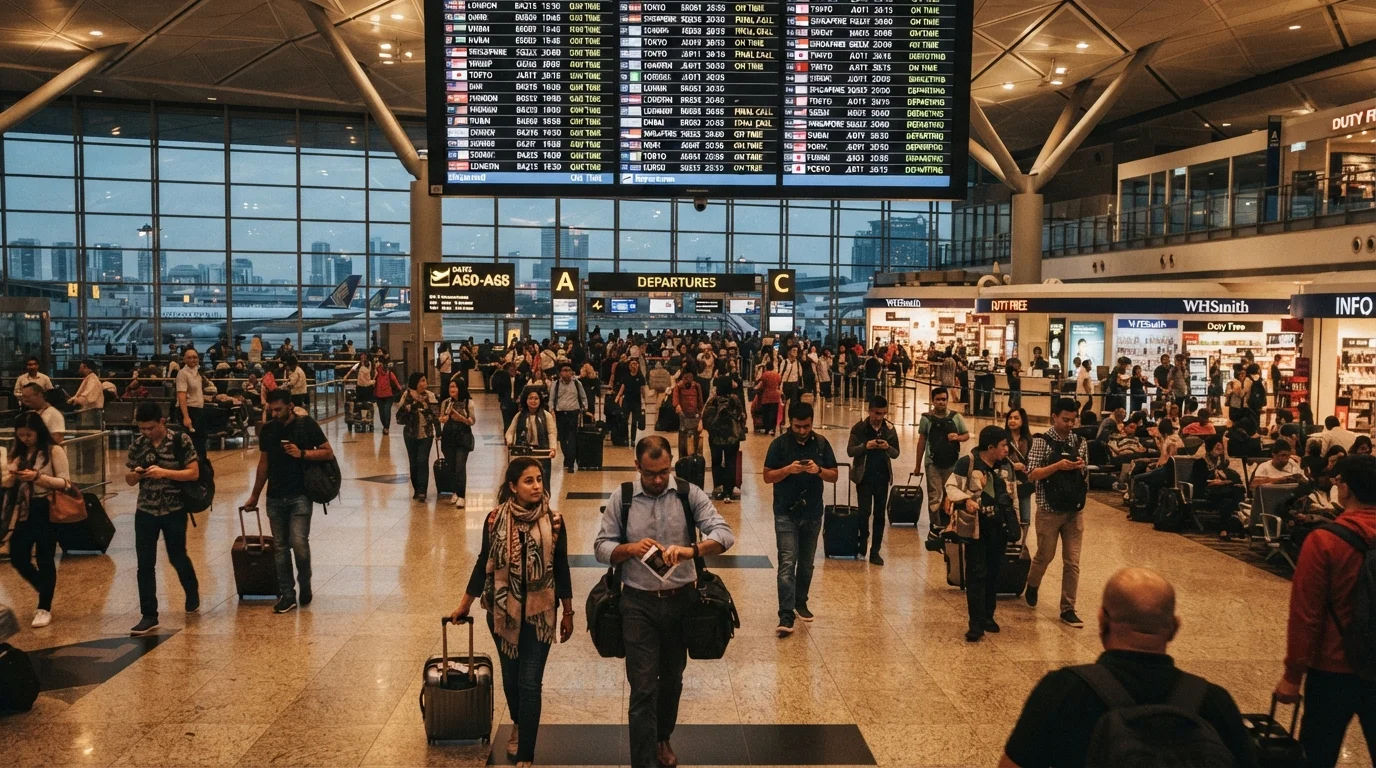
Crowd density shapes nearly every moment of a trip—from how long you wait at a museum to whether a meal feels rushed. During peak season, major attractions regularly operate at or near capacity. Timed-entry ticketing has become standard at sites like national parks, popular European landmarks, and urban museums precisely because peak demand exceeds comfortable capacity.
Shoulder season reduces that friction considerably. The Louvre in October, Yellowstone in late September, or Rome in early November still offer the full experience—without the queues that define July visits. Staff-to-visitor ratios tend to be more favorable, and the rhythm of the destination shifts toward the locals who live there year-round.
~40%
Typical visitor volume drop in shoulder vs. peak
Visitor counts at major US national parks frequently show drops of 30–50% in shoulder months compared to July and August, based on National Park Service annual visitation data.
2–4 weeks
Earlier booking lead time in peak season
Travel industry analysts generally recommend booking popular peak-season accommodation 2–4 weeks earlier than equivalent shoulder-season stays to secure comparable options.
Top 3
Traveler frustrations during peak season
Crowds, cost, and limited availability consistently rank as the top three complaints among US travelers who visited popular international destinations during summer peak periods, per recurring travel satisfaction surveys.
That said, some experiences are only possible during peak season. Wildlife migrations, specific festivals, seasonal outdoor activities, and school-break programming for children don't wait for convenient timing. If the event is the point of the trip, traveling outside that window defeats the purpose. Our article on planning trips around major events covers how to navigate those high-demand moments strategically.
Pricing, Booking Pressure, and Flexibility
Accommodation and flight pricing generally tracks demand, which means peak season commands a premium. Hotels in popular beach towns or mountain resorts can see nightly rates climb substantially during core weeks, and availability often narrows months in advance. This pressure intensifies for group travelers seeking multiple rooms in the same property.
Shoulder season typically reduces that pressure without eliminating quality options. Properties that stay open year-round often offer greater flexibility on dates and minimum-stay requirements outside their peak window. That flexibility matters for building in appropriate slack and adjusting plans when conditions change.
One nuance worth noting: booking strategy differs between seasons. Peak season rewards early commitment—popular properties and itineraries sell out. Shoulder season can sometimes support a more flexible approach, though that varies by destination. Review our breakdown of the trade-offs in booking everything in advance to calibrate your own approach. Regardless of timing, travel insurance is worth considering; see the insurance overview for general context on coverage types.
Shoulder Season Varies Widely by Destination
A destination's shoulder season depends entirely on its primary tourism driver. A ski resort's shoulder season falls in spring and fall, while a Caribbean island's falls in late spring and early fall when hurricane risk rises. Research the specific destination's demand calendar rather than applying a universal rule. Local tourism boards and official destination websites are the most reliable sources for understanding seasonal patterns and any safety or access considerations.
Weather, Operations, and What Might Be Closed
Weather is frequently cited as the primary argument for peak season—and for many destinations, the logic holds. Coastal destinations in peak summer offer the most reliable swimming and outdoor conditions. Alpine resorts in peak winter guarantee skiable snow coverage. Predictability has real value when you're investing in a significant trip.
Shoulder season weather is less guaranteed but often more pleasant than travelers expect. Spring shoulder seasons in Mediterranean destinations, for instance, bring mild temperatures and blooming landscapes before summer heat arrives. Fall shoulder seasons in New England or the Pacific Northwest offer some of the most visually dramatic conditions of the year.
The operational caveat is real, however. Some seasonal businesses—beach clubs, mountain gondolas, boat tour operators—close outside peak windows. Travelers planning shoulder season trips should verify which specific experiences and venues remain open during their dates rather than assuming full access. This is especially relevant for group trips where one closed attraction can reshape the entire itinerary. Always consult official destination sources and check travel safety resources for any advisories relevant to your timing and location.