

What a Trim Level Actually Means
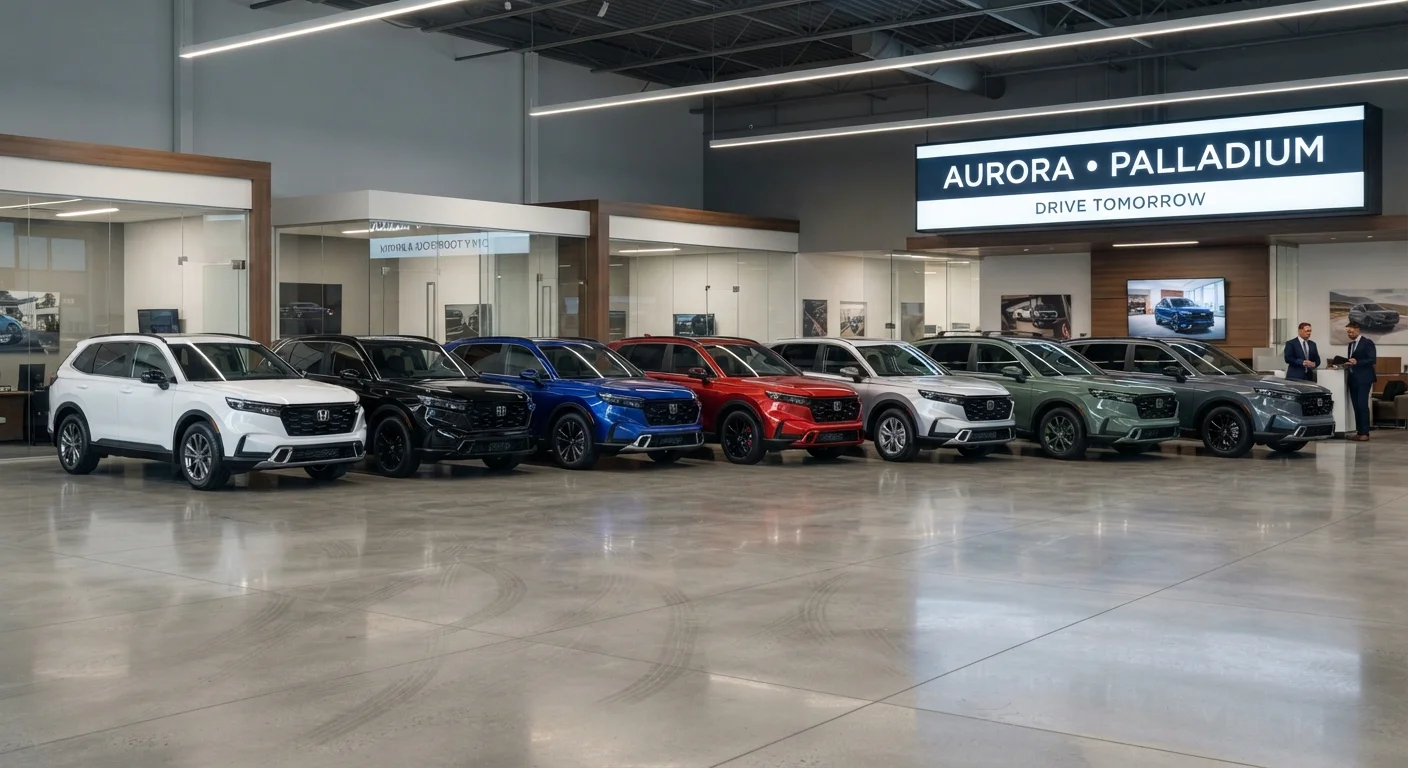
When an automaker says a vehicle is available in four trims, they're describing four factory-configured versions of the same underlying model. Each trim is a pre-defined bundle of features, interior materials, technology, and occasionally mechanical components. Think of it as the manufacturer deciding, in advance, which combinations of options make the most sense together - and pricing them accordingly.
This system exists because building truly bespoke vehicles at mass-market scale is economically impractical. Trim levels allow automakers to serve buyers across a wide budget range under a single model name, while buyers gain a predictable, tested combination of equipment rather than assembling options from scratch. Understanding this structure is foundational to avoiding common car ownership missteps.
Trim level
A factory-defined version of a vehicle model that packages a specific set of features, materials, and sometimes mechanical components at a set price point.
Base trim
The entry-level configuration of a model - the least expensive version with the fewest standard features.
Option package
A group of features sold together as an add-on within a trim level, sometimes allowing buyers to customize without stepping up to the next trim.
ADAS
Advanced Driver-Assistance Systems - electronic safety technologies like lane-keeping assist or automatic emergency braking that are sometimes restricted to certain trim levels.
Monroney sticker
The federally required window sticker on new vehicles that lists the MSRP, standard equipment, optional packages, and fuel economy ratings for that specific configuration.
How Trim Hierarchies Are Structured
Most manufacturers organize trims in an ascending hierarchy - entry-level at the bottom, flagship or fully loaded at the top. Each step up typically adds features while retaining everything included in the trim below it. This additive structure means the base trim represents the minimum the manufacturer is willing to offer, while the top trim represents the maximum available on that model before you cross into a different vehicle segment or brand tier.
The number of trims varies considerably. A utilitarian pickup truck might offer six distinct trims spanning a $20,000 price range. A niche sports car might offer two. Automakers calibrate the number of steps based on how broad the target audience is and how many feature combinations are commercially viable. For a real-world example of how this plays out across a diverse lineup, see how Ford structures its model lineup.
Use the Manufacturer's Build Tool First
Before visiting a dealership, use the automaker's official website build-and-price configurator to compare trim specifications side by side. This gives you an accurate feature list and MSRP without sales pressure. Arriving informed significantly changes the conversation at the dealership.
What Changes Between Trims - and What Doesn't
The most visible differences between trims involve interior and exterior appointments: seat materials (cloth vs. synthetic leather vs. genuine leather), infotainment screen size, wheel design, and ambient lighting. Technology features - wireless charging, a premium audio system, a panoramic sunroof - are commonly reserved for mid-range or top trims.
Driver-assistance systems deserve particular scrutiny. While automatic emergency braking is now federally mandated as standard equipment on new passenger vehicles, more advanced features like adaptive cruise control, lane-centering assist, and blind-spot monitoring are frequently trim-dependent. Safety-conscious buyers should verify exactly which systems are included at each level.
Mechanical differences are less universal but genuinely impactful when they occur. Some models gate all-wheel drive, a larger engine, a sport-tuned suspension, or a towing package to specific trims. These are not cosmetic upgrades - they change how the vehicle performs. What typically does not change across trims: the chassis, the fundamental body structure, crash safety ratings, and the core warranty terms.
Common Naming Conventions Decoded
Trim names are brand-specific marketing labels, not an industry standard. The word "Sport" at one manufacturer might indicate a lowered suspension, larger wheels, and a sport-tuned exhaust. At another, it might mean a body kit and a shift knob upgrade. Neither interpretation is wrong - they're simply different.
Some common label patterns and what they often (but do not always) signal:
- Base / S / LS / L: Entry-level, essential features, typically the most affordable starting point.
- Sport / ST / GTI-style suffixes: Performance-oriented styling or tuning, though the degree varies widely.
- Limited / EX / SLT: Often mid-to-upper range with comfort and technology upgrades.
- Platinum / Touring / Premium / Titanium: Frequently the top or near-top tier, maximally equipped.
This ambiguity is one reason trim comparisons across brands can be misleading. A "mid-range" trim on a mainstream brand may include features that only appear at the top of a competitor's lineup. Context matters - something worth keeping in mind alongside the broader question of what separates mainstream and luxury vehicle tiers.
Model Year Timing Can Affect Trim Availability
Automakers sometimes adjust trim structures mid-cycle or between model years - adding a new tier, discontinuing one, or shuffling which features are standard. If you're comparing trims across model years, verify that the specifications haven't changed. For more on how model year cycles work, see model year naming conventions explained.
How to Choose the Right Trim for Your Needs
The most common mistake buyers make is anchoring to a model name and then defaulting to either the base trim (to minimize cost) or the top trim (to avoid regret) without examining the middle options carefully. Mid-range trims frequently offer the most practical value, combining the features most buyers actually use with a price that doesn't approach the vehicle's ceiling.
A practical approach: start by listing the features that are genuinely important to your use case - not aspirational wants, but real requirements. Then match that list against trim specifications from the manufacturer's build-and-price tool. This prevents paying for bundled features you'll never use just to access the one you need. It also reveals cases where a single option package on a lower trim costs less than stepping up to the next level.
Finally, remember that trim level affects more than the purchase price. Insurance premiums and resale values can differ between trims of the same model, as can replacement part costs. These downstream factors are easy to overlook and are covered in detail in our guide to decisions car owners often get wrong. For broader context on how vehicle categories interact with trim decisions, understanding vehicle segments is a logical next step.
Don't Rely on Trim Names Across Brands
A "Limited" trim at one manufacturer is not comparable to a "Limited" trim at another. Always evaluate the actual feature list rather than the name. Assuming equivalence between similarly named trims is a common and costly mistake when cross-shopping vehicles.