
The Core Benefits - What Research Actually Supports
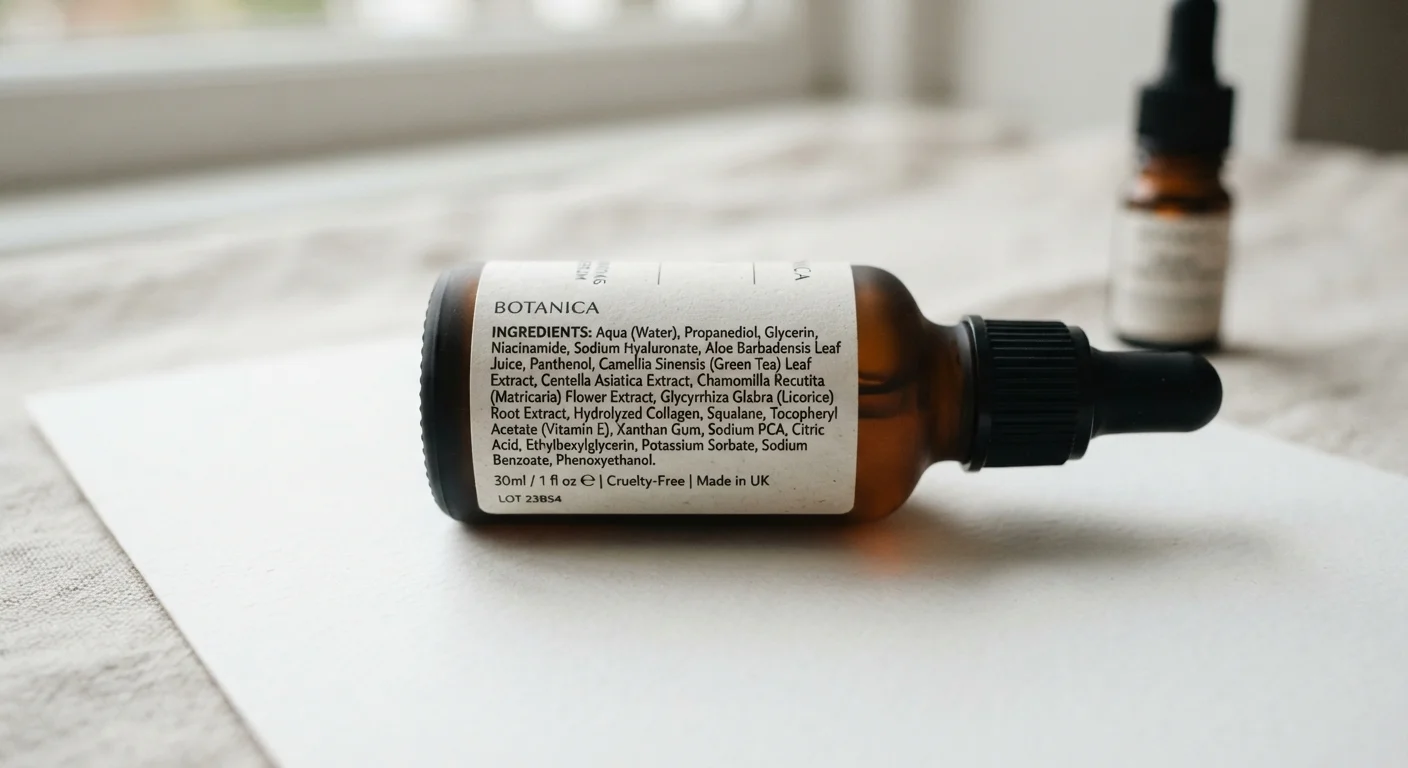
Niacinamide earns its place in evidence-based skincare through several well-documented mechanisms, not marketing claims.
Barrier reinforcement is arguably its most established benefit. Niacinamide stimulates the synthesis of ceramides and other lipids that form the skin's protective outer layer. A stronger barrier means less transepidermal water loss, better moisture retention, and improved resilience against environmental irritants - a meaningful benefit for anyone with dry, compromised, or reactive skin.
Hyperpigmentation reduction is another area where the evidence is solid. Niacinamide interferes with the transfer of melanosomes (pigment-containing structures) from melanocytes to surrounding skin cells. Studies using 2-5% concentrations have demonstrated measurable reductions in dark spots and uneven tone over 8-12 weeks of consistent use.
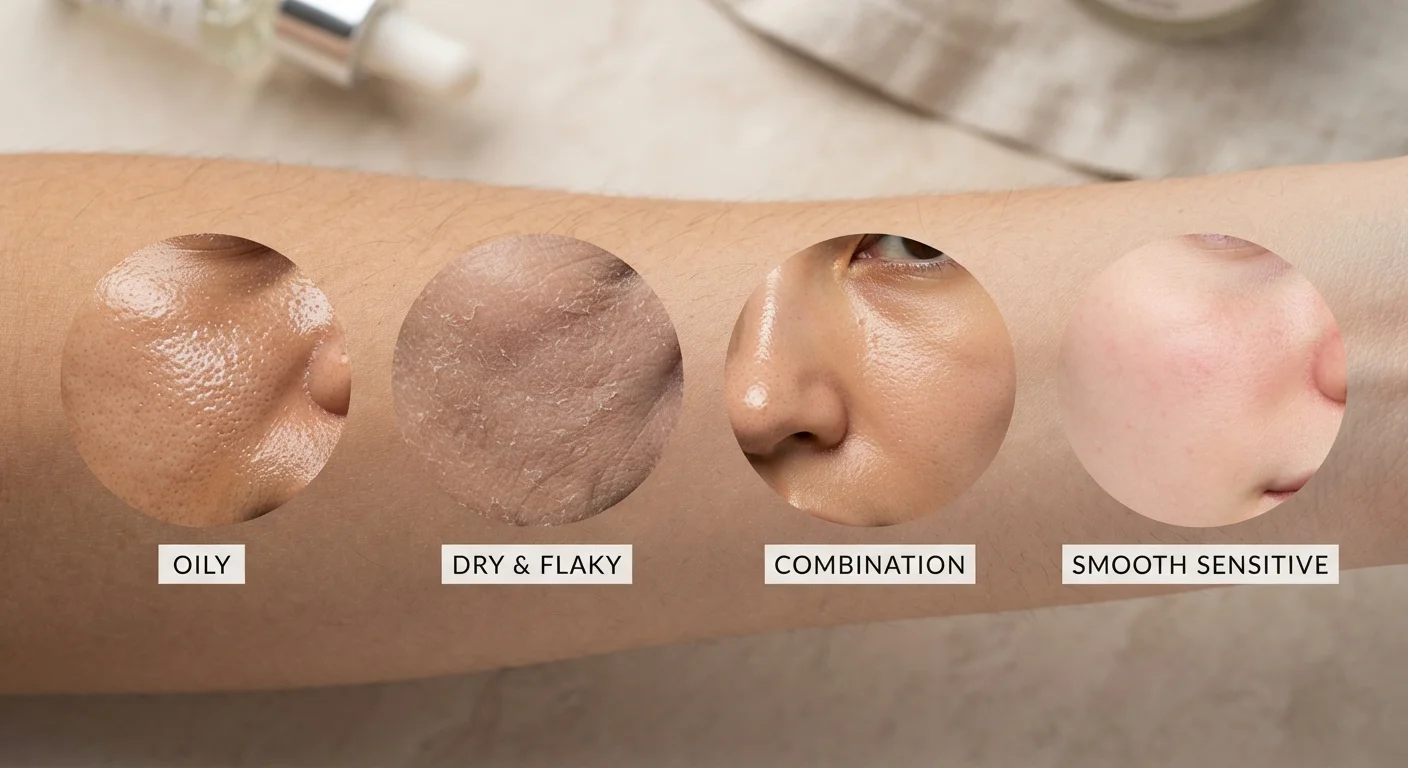
Sebum regulation is relevant for oily and combination skin types. Research has found that niacinamide can reduce sebum excretion rates, which may contribute to a less shiny complexion and a reduced appearance of enlarged pores - though pore size itself is largely determined by genetics and cannot be permanently altered by topical products.
5%
Niacinamide concentration studied for hyperpigmentation
Multiple peer-reviewed clinical trials have used 2-5% niacinamide concentrations to demonstrate statistically significant reductions in skin discoloration.
8-12 weeks
Typical timeframe to observe visible tone improvements
Studies evaluating niacinamide's effect on melanin transfer and uneven skin tone generally measure outcomes after 8 to 12 weeks of daily application.
68%
Reduction in sebum excretion in one published study
A published controlled trial found niacinamide reduced facial sebum excretion rates substantially compared to vehicle control, supporting its use for oily skin.
Redness and anti-inflammatory effects are also clinically observed. Niacinamide is among the few actives that studies suggest may benefit people with rosacea-prone skin, likely through its barrier-supporting and anti-inflammatory properties.
What Niacinamide Does Not Do
Understanding where niacinamide's evidence trail ends is just as important as knowing its strengths.
It does not exfoliate. Niacinamide has no chemical exfoliation action. If cell turnover, texture refinement, or acne-clearing is a primary goal, it needs to work alongside - not instead of - ingredients like AHAs, BHAs, or retinoids. See our breakdown of retinol, AHAs, and vitamin C for how these actives compare and when they earn their place in a routine.
It is not a standalone acne treatment. While niacinamide's sebum-regulating and anti-inflammatory properties may support acne management, evidence for it as a primary acne treatment is modest. It works best as a complementary ingredient in an acne-focused routine, not a replacement for clinically proven treatments.
Its anti-aging effects are limited in scope. Some studies suggest niacinamide may help with fine lines - primarily through barrier improvement and indirect protective effects - but it does not stimulate collagen synthesis the way retinoids do. Claims of dramatic wrinkle reduction are typically overstated relative to the available evidence.
Layer Niacinamide Before Heavy Moisturizers
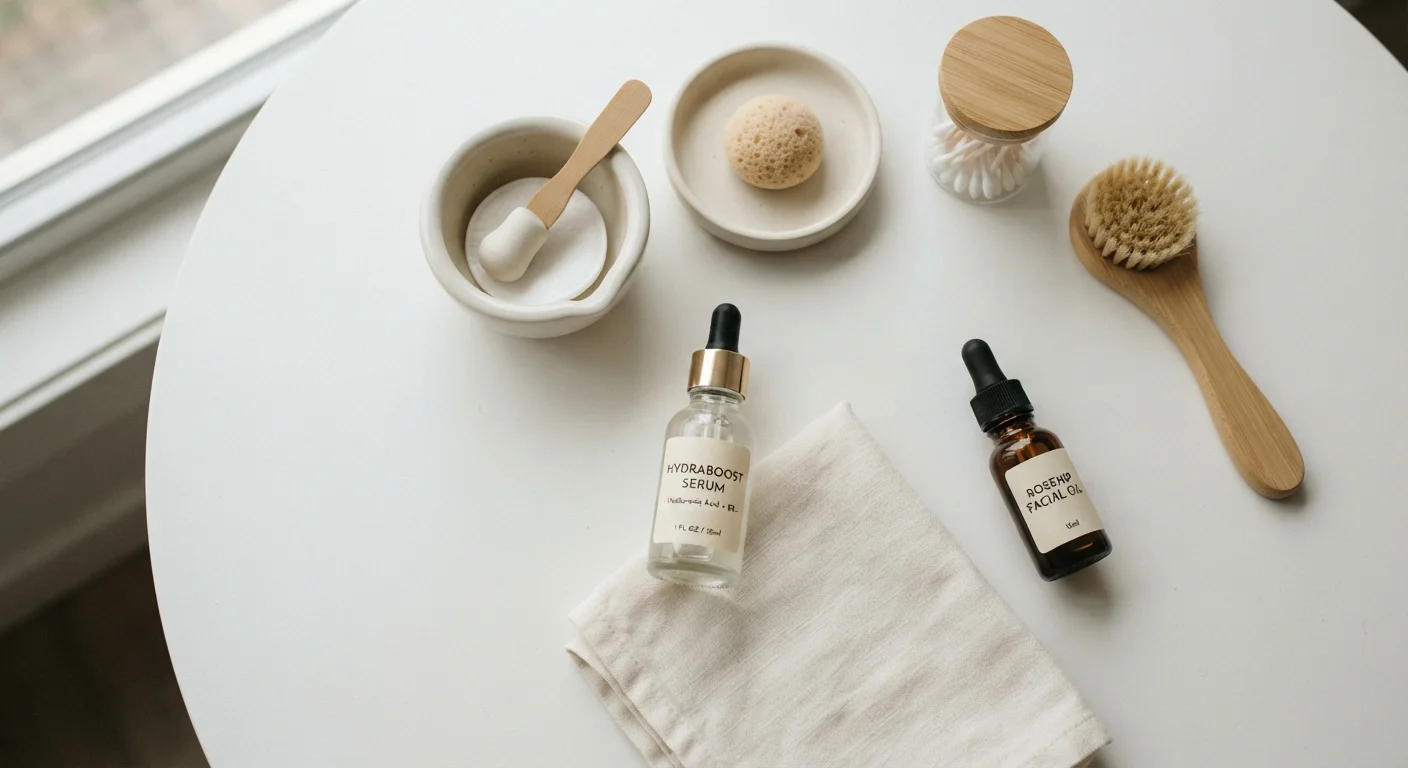
For best absorption, apply niacinamide to clean, slightly damp skin before heavier creams, oils, or SPF. Because it is water-soluble, it absorbs well early in a routine. Layering thicker products on top helps seal in the ingredient and supports the barrier effect you're working toward.
Who Benefits Most - and How to Use It Effectively
Niacinamide's broad tolerability makes it genuinely suitable for almost all skin types, but some groups benefit disproportionately.
Sensitive and reactive skin often responds best because niacinamide delivers meaningful functional benefits - barrier support, reduced redness - without the irritation potential of exfoliating acids or retinoids. People managing rosacea or compromised skin barriers may find it one of the most approachable actives available.
Oily and acne-prone skin can benefit from its sebum-modulating effects, though it works best as part of a broader routine rather than a solo solution.
Skin with visible hyperpigmentation or uneven tone may see measurable improvement with regular use at an effective concentration, typically 4-5%.
Practically, niacinamide is highly compatible with most other skincare ingredients and can typically be layered without conflict. It is stable in a wide pH range, making it less finicky than some actives. Apply it to clean skin before heavier creams or oils, and allow it to absorb before layering additional products. As with all topical ingredients, consistent daily use over weeks - not days - is what produces results.
This article is for general informational and educational purposes only and does not constitute medical or dermatological advice. Consult a qualified skincare professional or dermatologist if you have specific skin concerns or conditions.